Concrete Slab Cost Breakdown Guide
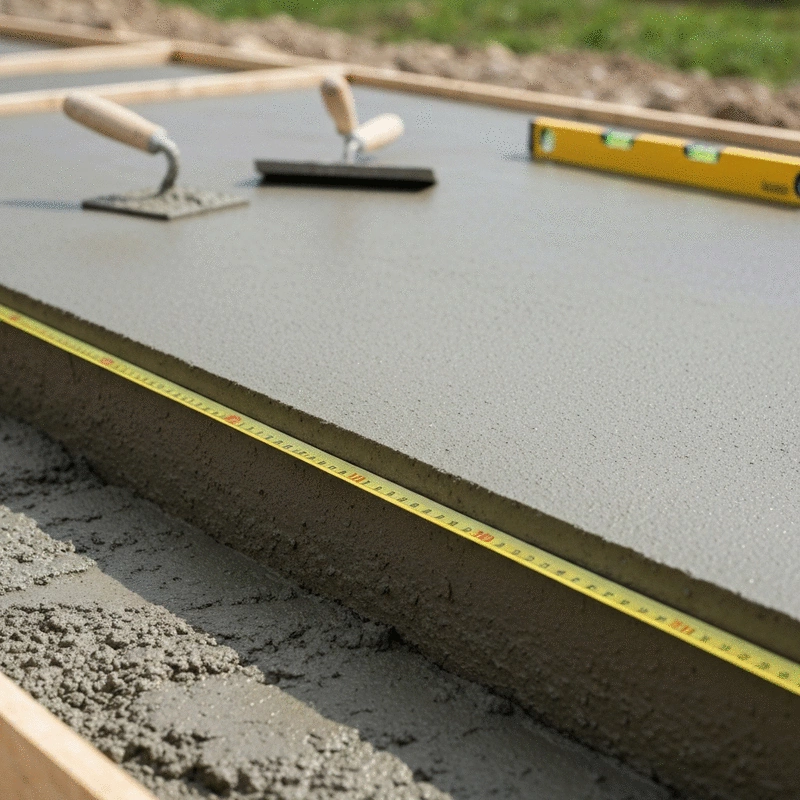
As you consider your next concrete slab project, understanding the cost implications can save you significant time and money. How do you navigate the various factors that influence pricing? Here’s a comprehensive look at the nuances that can impact your budget.
What You Will Learn
- Material quality significantly impacts the cost; higher quality often means better durability.
- Project complexity, including unique designs, can drive up installation expenses.
- Regional labor costs vary, which can affect overall price; rural areas may offer savings but consider transport fees.
- Average concrete slab costs typically range from $6 to $12 per square foot, with variations based on features and thickness.
- Reinforced concrete is generally more expensive but provides added strength and durability.
- Accurate local quotes are essential; gather multiple estimates and specify project details for consistency.
- Understanding local codes and permits can prevent project delays and ensure compliance with regulations.
Concrete Slab Cost Breakdown and Influencing Factors
This visual summarizes the average cost ranges for concrete slabs and the key factors that influence their pricing.
Average Concrete Slab Costs
Price Range per Square Foot:
$6 - $12
- Low-end: $6-$8 (basic)
- Mid-range: $8-$10 (standard)
- High-end: $10-$12+ (custom/quality)
Key Factors Influencing Cost
- 1.Material Quality (standard vs. high-strength)
- 2.Slab Thickness (4-inch vs. 6-inch+)
- 3.Reinforcement (rebar/mesh adds 10-20%)
- 4.Labor Costs & Site Conditions
- 5.Regional Price Variations
Understanding Concrete Slab Cost per Square Foot
When embarking on a concrete slab project, it's crucial to understand the cost per square foot. This knowledge helps you budget effectively and make informed decisions. So, what influences these prices? Let’s dive in!
What Influences Concrete Slab Prices?
Many factors can affect the price of concrete slabs. Knowing these can help you navigate the costs and potentially save money on your next project. Here are the main aspects to consider:
- Material quality: Higher quality materials often come with increased costs but can result in better durability.
- Complexity of the project: Slabs that require intricate designs or special features will generally be more expensive.
- Labor costs: Regional labor rates can significantly impact overall pricing.
- Site conditions: If the site requires extensive preparation, that can also drive up costs.
In my experience at Concrete Slab Innovations, I’ve seen how these factors play out in real-world scenarios. For instance, a project in a rural area might have lower labor costs but might require additional transportation expenses for materials. The ultimate guide to concrete costs provides further insights into these price determinants.
Key Factors Affecting Cost
The cost of concrete slabs can vary widely based on several key elements:
- Type of concrete used (standard vs. high-strength)
- Thickness of the slab
- Additional features such as insulation or embedded heating
Understanding these factors not only helps you anticipate costs but also ensures you choose the best options for your specific project needs. For instance, the Unified Facilities Criteria for floor slabs in DOD facilities offers detailed specifications that highlight the impact of type and thickness on overall project requirements.
Regional Price Variations
Another important aspect is regional price variations. Depending on where you are, the cost for concrete slabs can differ significantly. For example:
- Urban areas may have higher costs due to demand and labor rates.
- Rural locations might offer lower material costs, but transportation can be a factor.
As I've learned over the years, it pays to get quotes from multiple suppliers and contractors in your area to find the best deal!
Impact of Material Quality on Pricing
Lastly, the quality of materials selected for your concrete slab can greatly influence pricing. Higher-grade materials may cost more upfront but often translate into long-term savings due to their durability and reduced maintenance needs. Wouldn't you prefer to invest in materials that stand the test of time? The California Department of Transportation's concrete pavement guide emphasizes the importance of material specifications for long-term performance and cost-effectiveness.
At Concrete Slab Innovations, I advocate for making quality a priority. It not only ensures structural integrity but also enhances the overall value of your investment!
Analyzing Average Costs for Concrete Slabs
Now that we’ve covered the influencing factors, let’s take a closer look at the average costs for concrete slabs.
Cost Breakdown by Square Foot
Concrete slabs typically range from $6 to $12 per square foot. This wide range reflects the various factors we discussed earlier. Here’s how it generally breaks down:
- Low-end pricing: $6-$8 per square foot for basic installations.
- Mid-range pricing: $8-$10 per square foot for standard features.
- High-end pricing: $10-$12 or more for custom designs and high-quality materials.
Understanding this breakdown helps you gauge what you might expect for your own projects. Remember, these are average figures; your costs may vary based on specific project needs.
Typical Price Ranges: $6 to $12 per Square Foot
As we dive deeper into pricing, it's essential to highlight that most contractors will factor in their expertise and local market conditions when providing estimates. For your next project, consider getting multiple quotes to ensure you get a fair price!
Comparing Costs for Different Thicknesses and Grades
Concrete slabs come in various thicknesses and grades, which can significantly affect pricing:
- Standard thickness: 4 inches is typical for many residential applications.
- Thicker slabs: 6 inches or more may be necessary for heavier loads.
- High-grade concrete: Specifically designed for durability can add to the overall cost.
As always, prioritize the needs of your project when determining thickness and grade. It's worth consulting with a professional to ensure the right choices are made!
Understanding the Cost of Reinforced vs. Non-Reinforced Concrete
Reinforcement is another key factor that affects the overall cost.
- Reinforced concrete: Typically includes steel rebar or mesh, providing added strength, which can increase costs by about 10-20%.
- Non-reinforced options: Less expensive but may not be suitable for all applications.
Choosing the right type of concrete can help you balance immediate costs with long-term performance. I always encourage clients to consider their project’s specific demands when making this decision.
Pro Tip
When budgeting for your concrete slab project, always account for unexpected costs. Setting aside an additional 10-15% of your total estimated expenses can help cover any surprises that may arise during construction, such as site preparation challenges or material price fluctuations.
Frequently Asked Questions (FAQs)
What is the average cost per square foot for a concrete slab?
The average cost for a concrete slab typically ranges from $6 to $12 per square foot, varying based on factors like material quality, thickness, and project complexity.
What factors significantly influence the price of a concrete slab?
Key factors include material quality (standard vs. high-strength), slab thickness (4-inch vs. 6-inch+), reinforcement (rebar/mesh), labor costs, site conditions, and regional price variations.
How does material quality impact the overall cost?
Higher quality materials often have increased upfront costs but can lead to better durability and reduced long-term maintenance, ultimately providing a better return on investment.
Is reinforced concrete more expensive than non-reinforced concrete?
Yes, reinforced concrete, which includes steel rebar or mesh for added strength, typically increases costs by about 10-20% compared to non-reinforced options.
Why is it important to get multiple quotes from local contractors?
Getting multiple quotes helps you compare prices, understand local market conditions, and ensure you receive a fair and accurate estimate for your specific project needs.
What are some trends to expect in concrete pricing in the coming years?
Future trends include potential price increases due to increased demand, advancements in sustainable concrete materials that could balance costs, and changes in the availability and cost of skilled labor.
Summarizing Key Insights on Concrete Slab Costs
As we wrap up our exploration of concrete slab costs, it's essential to highlight the key factors that significantly influence pricing. Understanding these components can empower you to make informed decisions for your projects. Here are some important takeaways:
- Material Quality: The choice between standard and premium materials can impact costs substantially.
- Size and Thickness: Larger slabs or those requiring additional thickness will typically increase the overall investment.
- Site Preparation: Proper excavation and grading are crucial, and their costs can vary widely based on local conditions.
- Labor Costs: Hiring experienced contractors may seem higher initially, but it can save money in the long run by ensuring quality installation.
Being aware of these elements will help you navigate the complexities of pricing in concrete construction. It’s a conversation I often have with contractors and clients alike at Concrete Slab Innovations.
Encouraging Quotes from Local Contractors
I've had the privilege of connecting with various local contractors who shared valuable insights about current market trends. Here are a few encouraging quotes that resonate with many of us:
- "Investing in quality materials upfront pays off in durability and longevity." - Local Contractor
- "Proper site preparation is half the job; it sets the foundation for everything else." - Experienced Builder
- "Don't skimp on labor—your project deserves skilled hands to bring it to life!" - Renovation Expert
These perspectives underscore the importance of taking a comprehensive approach to your concrete slab projects, ensuring that every decision aligns with your long-term goals.
Trends in Concrete Pricing: What to Expect in the Coming Years
As we look ahead, it's worth considering the trends shaping concrete pricing. Industry experts indicate a few areas to keep an eye on:
- Increased Demand: As construction projects rise, so does the demand for concrete, which may lead to higher prices.
- Material Innovations: Advancements in concrete technology, especially sustainable materials, could balance costs while enhancing performance.
- Labor Market Changes: The availability and cost of skilled labor will continue to influence project budgets.
By staying informed about these trends, you can better anticipate costs and make strategic decisions. It’s all about being proactive in your planning!
Taking the Next Steps for Your Concrete Project
How to Get Accurate Local Quotes
Once you have a clear understanding of costs and trends, the next step is obtaining accurate local quotes. Here’s how to streamline this process:
- Reach out to multiple contractors to compare quotes.
- Provide detailed project specifications to ensure consistent quotes across the board.
- Ask for references and examples of previous work to gauge contractor reliability.
These steps will help you gather comprehensive information to assess your options effectively.
Tips for Making Informed Decisions on Concrete Installation
Making informed decisions about your concrete installation can save you time and money. Here are some tips:
- Evaluate the total cost of ownership, including maintenance and long-term durability.
- Consider potential fluctuations in material costs and labor availability.
- Utilize online resources and calculators to get preliminary estimates before engaging contractors.
These practices will not only enhance your understanding of the project but also empower you in discussions with contractors!
Understanding Local Codes and Permits for Concrete Projects
Finally, don’t overlook the importance of local codes and permits. Here’s what you need to know:
- Check with local building departments for any permits required for your project.
- Ensure that your contractor is familiar with local codes to avoid delays.
- Stay informed about zoning laws that might affect your concrete installation.
Having this knowledge upfront will help you navigate the regulatory landscape more efficiently, ensuring your project proceeds smoothly.
Recap of Key Points
Here is a quick recap of the important points discussed in the article:
- Material Quality: Choose between standard and premium materials as it significantly affects costs.
- Size and Thickness: Larger slabs or those requiring additional thickness will increase overall investment.
- Site Preparation: Proper excavation and grading are essential, and their costs can vary based on local conditions.
- Labor Costs: Hiring experienced contractors can save money in the long run by ensuring quality installation.
- Regional Variations: Costs can differ significantly based on location; always get multiple quotes.
- Future Trends: Be aware of increased demand and innovations in material technology that may affect pricing.

Aidan Cromwell
Aidan Cromwell is a seasoned construction professional and industry expert with a passion for innovative building solutions. With extensive experience in concrete slab construction and a deep understanding of modular formwork systems, Aidan strives to educate and empower contractors, engineers, and project managers. His insights are grounded in practical knowledge and a commitment to advancing construction efficiency and safety.
Popular Posts
Aluminum Formwork and Carbon Reduction
![Aluminum Formwork and Carbon Reduction]() What if the way we build could significantly impact our planet's future? Embracing aluminum formwork
What if the way we build could significantly impact our planet's future? Embracing aluminum formwork
 What if the way we build could significantly impact our planet's future? Embracing aluminum formwork
Aluminum Formwork: Storage and Transport
![Aluminum Formwork: Storage and Transport]() What if the longevity of your aluminum formwork could be dramatically increased just by changing how
What if the longevity of your aluminum formwork could be dramatically increased just by changing how
 What if the longevity of your aluminum formwork could be dramatically increased just by changing how
Train Your Crew for Efficient Assembly
![Train Your Crew for Efficient Assembly]() Investing in training can transform your construction project outcomes. With proper techniques and k
Investing in training can transform your construction project outcomes. With proper techniques and k
 Investing in training can transform your construction project outcomes. With proper techniques and k
Aluminum Formwork Load Engineering Guidelines
![Aluminum Formwork Load Engineering Guidelines]() Consider this: a single miscalculation in load engineering can lead to structural failures and finan
Consider this: a single miscalculation in load engineering can lead to structural failures and finan
 Consider this: a single miscalculation in load engineering can lead to structural failures and finan
