Understanding Post-Tensioned Concrete Slabs
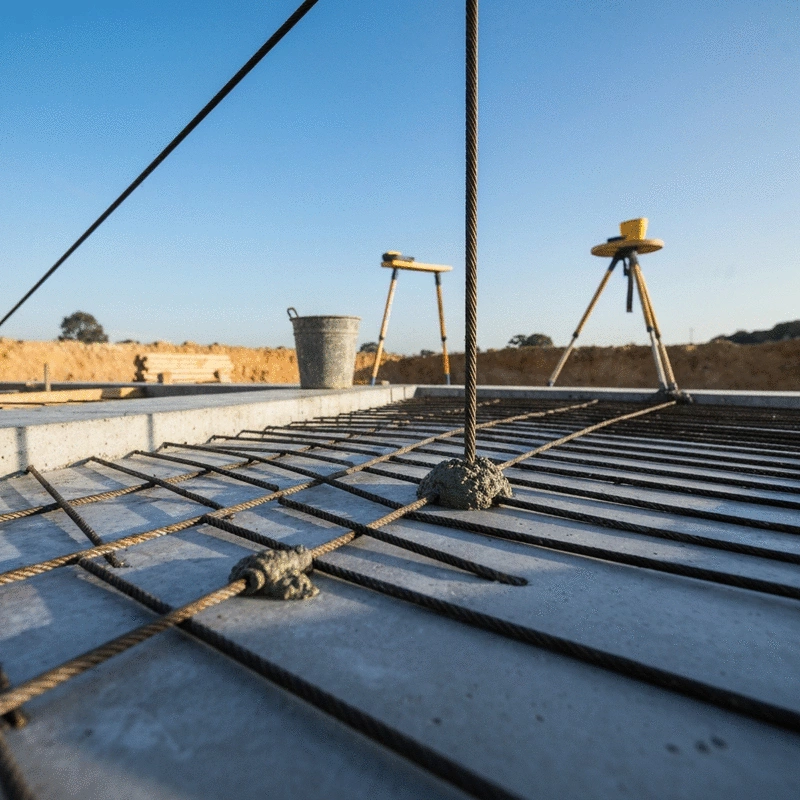
What if you could enhance the structural integrity of your building projects while reducing costs? Post-tensioned concrete slabs offer a revolutionary solution that can transform the way you approach construction. Let’s explore the key insights you can gain about this innovative technology.
What You Will Learn
- Post-tensioned concrete slabs utilize high-strength steel tendons to improve load capacity and minimize deflection.
- The method allows for thinner slabs, leading to reduced material usage and cost savings in construction.
- Understanding the mechanics of post-tensioning is essential for proper implementation and structural performance.
- Regular inspections and maintenance are critical for ensuring the longevity and integrity of post-tensioned slabs.
- Engineers must consider factors like load distribution and deflection limits during the design of post-tensioned structures.
- Common construction pitfalls include improper tendon alignment and inadequate grout techniques, which can lead to costly repairs.
- Thermal expansion can affect slab performance, making it crucial to incorporate expansion joints and monitor temperature changes.
Key Aspects of Post-Tensioned Concrete Slabs
Post-tensioned concrete slabs present distinct advantages and require specific processes for their successful implementation and long-term maintenance. Below are the key characteristics, procedural steps, and maintenance considerations for these advanced structural elements.
What Sets Post-Tensioned Concrete Apart
- Improved Load Response: Handles higher loads & longer spans.
- Reduced Thickness: Thinner than traditional slabs, less material.
- Flexibility in Design: Supports various architectural styles.
Enhances structural integrity & longevity.
Key Steps in the Post-Tensioning Process
- Placement: Tendons laid in ducts based on design.
- Curing: Concrete gains strength over time.
- Tensioning: Tendons tensioned with hydraulic jacks & anchored.
- Grouting: Ducts filled to protect tendons & bond to concrete.
Crucial for enhanced slab performance.
Structural Engineering Considerations
- Load-Bearing Capacity: Accurate assessment for expected loads.
- Deflection Limits: Calculations to maintain functionality.
- Material Selection: Vital for long-lasting results.
Precision is key for structural integrity.
Essential Maintenance Practices
- Regular Inspections: Check for cracks, water, deflection, corrosion.
- Proactive Maintenance: Prevents issues & saves costs.
- Documentation: Guides future maintenance efforts.
Ensures longevity & structural soundness.
Understanding Post-Tensioned Concrete Slabs: An In-Depth Overview
When we dive into the world of concrete, one method that stands out is post-tensioned concrete slabs. This innovative approach enhances the structural capabilities of concrete, setting it apart from traditional reinforced slabs. Instead of relying solely on conventional reinforcement methods, post-tensioning uses high-strength steel tendons that are placed within the concrete, allowing for greater flexibility in design and improved performance under load.
What truly sets post-tensioned slabs apart is their ability to resist cracking and deflections, making them a popular choice in modern construction projects. In my experience at Concrete Slab Innovations, I've seen how these slabs can transform a project, leading to both enhanced durability and cost-effectiveness.
Defining Post-Tensioned Concrete: What Sets It Apart?
So, what exactly is post-tensioned concrete? Simply put, it’s a method where steel tendons are tensioned or pulled tight before the concrete hardens. This process creates compressive forces within the concrete, enhancing its overall strength. Here are a few key points that highlight its uniqueness:
- Improved Load Response: Post-tensioning allows slabs to handle higher loads and longer spans.
- Reduced Thickness: These slabs can be thinner than traditional ones, cutting down on material use.
- Flexibility in Design: The method supports various architectural styles and designs, making it versatile for different projects.
This unique approach not only boosts the structural integrity of concrete but also plays a vital role in ensuring the longevity of buildings. With post-tensioning, the possibilities in slab design are truly exciting!
The Mechanism of Post-Tensioning: How It Works
Understanding the mechanics behind post-tensioning is crucial for anyone involved in construction. The process involves several steps that ensure the tendons are effectively integrated into the concrete. Initially, the tendons are placed in ducts within the concrete formwork. After the concrete has cured, the tendons are tensioned using hydraulic jacks.
Here’s a brief overview of the key steps in the post-tensioning process:
- Placement: Tendons are laid in ducts and positioned according to design specifications. For detailed guidelines on tendon placement and other specifications, you can refer to resources like the Kansas Department of Transportation's Post-Tensioned Concrete Haunched Slab Bridge Standards, which provide comprehensive insights into best practices.
- Curing: The concrete is allowed to cure, gaining strength over time.
- Tensioning: Once cured, the tendons are tensioned and anchored, creating compressive forces within the slab.
- Grouting: Finally, the ducts are filled with grout to protect the tendons and bond them with the concrete. You can find more information on the critical aspects of grouting in post-tensioned structures in publications from the Federal Highway Administration (FHWA), which detail proper techniques and common issues.
By applying tension to the tendons after curing, we can significantly enhance the slab's performance under various loading conditions. It's a game-changer in ensuring that the structures we build can withstand the test of time!
The Role of Structural Engineering in Post-Tensioning
Structural engineering plays a pivotal role in the design and execution of post-tensioned concrete solutions. Engineers must consider several factors, including load distribution, slab thickness, and the specific requirements of the project. What I often emphasize during project discussions is the importance of precision in these calculations. They can make or break the integrity of the structure.
Key considerations in structural engineering for post-tensioned slabs include:
- Load-Bearing Capacity: Accurate assessments ensure that slabs can handle expected loads.
- Deflection Limits: Engineers must calculate permissible deflections to maintain functionality.
- Material Selection: Choosing appropriate materials is vital for achieving long-lasting results.
At Concrete Slab Innovations, we provide resources and insights that help professionals navigate these design considerations. For comprehensive guidelines on the design of post-tensioned concrete elements, including detailed calculations and material specifications, the California Department of Transportation (Caltrans) Bridge Design Practice offers valuable information. By tapping into our expertise, you can achieve safe, efficient, and innovative designs that elevate your construction projects!
Pro Tip
To maximize the lifespan of your post-tensioned concrete slabs, consider implementing a routine thermal monitoring system. This proactive approach can help you detect temperature fluctuations that may lead to expansion and contraction, allowing for timely maintenance adjustments that preserve slab integrity.
Maintaining Post-Tensioned Concrete Slabs: Best Practices for Longevity
Once a post-tensioned concrete slab is in place, ensuring its longevity is crucial for maintaining structural integrity. Regular maintenance and inspection are key to identifying potential issues before they escalate. By adhering to best practices, you can help extend the lifespan of these slabs while ensuring safety and performance.
In my experience with various projects at Concrete Slab Innovations, I’ve found that proactive maintenance not only preserves the slab’s functionality but also saves significant costs in the long run. Let’s dive into some essential practices you should implement.
Inspection Protocols: Ensuring Structural Integrity Over Time
To maintain the integrity of post-tensioned slabs, establishing a comprehensive inspection protocol is vital. Regular inspections help detect issues such as corrosion, tendon deterioration, or cracks at an early stage. Here are some key indicators to look for during inspections:
- Visible cracks or surface spalling
- Any signs of water infiltration or drainage issues
- Changes in floor levels or signs of deflection
- Corrosion on exposed tendons
By routinely assessing these elements, we can help ensure that the slabs remain structurally sound and can withstand the test of time. Regular documentation of inspection findings can also guide future maintenance efforts.
Common Construction Pitfalls: Tips for Contractors
While constructing post-tensioned slabs, several common pitfalls can undermine their performance. Here’s a handy checklist of best practices to avoid frequent mistakes:
- Ensure precise alignment of tendons to prevent uneven stress distribution.
- Verify that proper grout techniques are followed to avoid voids around tendons.
- Monitor curing conditions closely to prevent thermal cracking.
- Maintain consistent communication among team members to address issues promptly.
By following these guidelines, contractors can significantly reduce the risk of construction-related deficiencies that could lead to costly repairs in the future.
Understanding the Impact of Thermal Expansion on Maintenance
Thermal expansion can have a profound effect on post-tensioned concrete slabs. Variations in temperature may lead to expansion and contraction, which could result in stress accumulation over time. This stresses the importance of considering thermal effects during both the design and maintenance phases.
To mitigate the impact of thermal expansion, consider the following maintenance adjustments:
- Regularly monitor temperature changes and their effects on the slab.
- Incorporate expansion joints where necessary to accommodate movement.
- Inspect and maintain sealants around joints to prevent moisture intrusion.
By being proactive about thermal expansion, you can help preserve the integrity of your slabs and ensure their long-term performance.
Recap of Key Points
Here is a quick recap of the important points discussed in the article:
- Post-Tensioned Concrete Slabs: Utilize high-strength steel tendons to enhance strength and flexibility in design.
- Inspection Protocols: Regular inspections are vital to detect issues like corrosion and cracks early.
- Common Construction Pitfalls: Ensure precise tendon alignment and proper grout techniques to avoid deficiencies.
- Thermal Expansion Considerations: Monitor temperature changes and incorporate expansion joints to maintain integrity.
- Structural Engineering Role: Accurate load-bearing capacity assessments and material selection are crucial for durability.
Frequently Asked Questions About Post-Tensioned Concrete Slabs
- What are post-tensioned concrete slabs?
- Post-tensioned concrete slabs are a type of concrete construction where high-strength steel tendons are tensioned after the concrete has cured, introducing compressive forces that enhance the slab's strength, load capacity, and resistance to cracking and deflection.
- How do post-tensioned slabs differ from traditional reinforced concrete slabs?
- Unlike traditional slabs that use passive steel reinforcement, post-tensioned slabs actively tension steel tendons after concrete curing. This allows for thinner slabs, longer spans, improved load response, and reduced material usage, offering greater design flexibility and structural efficiency.
- What are the key steps in the post-tensioning process?
- The process involves four main steps: 1) Tendon placement in ducts within the formwork, 2) Concrete curing to gain sufficient strength, 3) Tensioning of tendons using hydraulic jacks and anchoring them, and 4) Grouting the ducts to protect the tendons and bond them to the concrete.
- Why is structural engineering crucial for post-tensioned concrete?
- Structural engineering is vital for precise calculations of load-bearing capacity, deflection limits, and appropriate material selection. Accurate design and execution ensure the structural integrity, safety, and longevity of post-tensioned slabs, preventing costly issues.
- What are common maintenance practices for post-tensioned slabs?
- Essential maintenance includes regular inspections for cracks, water infiltration, deflection, and corrosion. Proactive maintenance prevents issues, and thorough documentation guides future efforts. Consideration of thermal expansion, including expansion joints and sealant inspection, is also crucial for long-term performance.
- What are some common pitfalls in constructing post-tensioned slabs?
- Common pitfalls include improper tendon alignment, inadequate grout techniques leading to voids, poor monitoring of curing conditions which can cause thermal cracking, and a lack of consistent communication among the construction team. Addressing these proactively helps avoid costly repairs.

Aidan Cromwell
Aidan Cromwell is a seasoned construction professional and industry expert with a passion for innovative building solutions. With extensive experience in concrete slab construction and a deep understanding of modular formwork systems, Aidan strives to educate and empower contractors, engineers, and project managers. His insights are grounded in practical knowledge and a commitment to advancing construction efficiency and safety.
Popular Posts
Aluminum Formwork and Carbon Reduction
![Aluminum Formwork and Carbon Reduction]() What if the way we build could significantly impact our planet's future? Embracing aluminum formwork
What if the way we build could significantly impact our planet's future? Embracing aluminum formwork
 What if the way we build could significantly impact our planet's future? Embracing aluminum formwork
Aluminum Formwork: Storage and Transport
![Aluminum Formwork: Storage and Transport]() What if the longevity of your aluminum formwork could be dramatically increased just by changing how
What if the longevity of your aluminum formwork could be dramatically increased just by changing how
 What if the longevity of your aluminum formwork could be dramatically increased just by changing how
Train Your Crew for Efficient Assembly
![Train Your Crew for Efficient Assembly]() Investing in training can transform your construction project outcomes. With proper techniques and k
Investing in training can transform your construction project outcomes. With proper techniques and k
 Investing in training can transform your construction project outcomes. With proper techniques and k
Aluminum Formwork Load Engineering Guidelines
![Aluminum Formwork Load Engineering Guidelines]() Consider this: a single miscalculation in load engineering can lead to structural failures and finan
Consider this: a single miscalculation in load engineering can lead to structural failures and finan
 Consider this: a single miscalculation in load engineering can lead to structural failures and finan
