Building a Concrete Parking Slab

When constructing a parking lot, understanding the foundation is crucial. Concrete slabs are not just surfaces; they are essential to the stability and longevity of your project. With proper insights, you can make decisions that enhance both functionality and aesthetics.
What You Will Learn
- Proper Thickness: Optimal thickness based on vehicle loads and climate is essential for durability.
- Reinforcement Matters: Choosing the right reinforcement methods can enhance load-bearing capacity.
- Curing is Crucial: Effective curing practices are necessary to prevent performance issues in concrete slabs.
- Regular Maintenance: A proactive maintenance plan is key to prolonging the lifespan of your concrete surface.
Key Considerations for Concrete Slab Projects
Understanding and addressing these critical factors will ensure the longevity, efficiency, and safety of your concrete slab parking lot.
Proper Thickness & Reinforcement
Ensuring the slab has appropriate thickness for vehicle loads and using the right reinforcement methods are crucial for durability and load-bearing capacity.
📏
Effective Curing Practices
Proper curing avoids common pitfalls that compromise slab performance, ensuring long-term strength and integrity.
💧
Regular Maintenance Plan
Establishing a maintenance plan prolongs the lifespan of concrete surfaces and promptly addresses any necessary repairs.
🔧
Site Preparation & Conditions
Proper grading and preparation, along with consideration of weather conditions, are vital for successful installation.
⛏
Understanding Concrete Slabs for Parking Lots
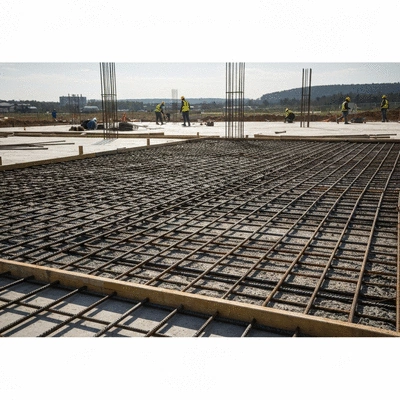
When it comes to constructing parking lots, understanding the fundamentals of concrete slabs is essential. A concrete slab is a flat, horizontal surface made of poured concrete, which serves as the foundation for various structures, including parking areas. It plays a crucial role in supporting the weight of vehicles while ensuring durability and longevity.
So, what makes a concrete slab the right choice for your parking lot? Choosing the right concrete mix, thickness, and reinforcement methods can significantly impact the slab's performance, safety, and cost. At Concrete Slab Innovations, we believe that knowledge is power, and that's why we're here to share insights that empower contractors and project managers alike!
What is a Concrete Slab?
At its core, a concrete slab is a solid layer of concrete that provides structural support and a level surface. It's commonly used in both residential and commercial projects. Depending on the application, concrete slabs can be designed with varying thicknesses, strengths, and reinforcements to handle different loads and environmental conditions.
- Residential driveways and patios
- Commercial parking lots
- Industrial flooring
- Foundation for buildings
Every project has its unique requirements, and understanding these will help you make informed decisions. A well-constructed concrete slab offers not just functional benefits but can significantly enhance the overall look of your parking area too!
The Importance of Choosing the Right Concrete Slab for Parking Lots
When planning a parking lot, the importance of selecting the right concrete slab cannot be overstated. It directly affects the safety, efficiency, and overall costs of your project. A suitable slab design can minimize the risk of cracking, which is essential for maintaining the integrity of your parking lot over time.
- Improved load-bearing capacity
- Reduced maintenance costs
- Enhanced safety for vehicles and pedestrians
- Extended lifespan of the surface
Moreover, the right choice will ensure your parking lot meets local codes and regulations. By investing in a quality concrete slab, you're not just ensuring a smooth surface for drivers but also setting your project up for long-term success.
Key Considerations for Concrete Slab Installation
As we dive deeper into the installation process, it's essential to consider various factors that greatly influence the performance of your concrete slabs. From thickness and dimensions to reinforcement methods, each element plays a vital role in achieving a successful outcome. Let’s explore these key considerations further!
Pro Tip
To enhance the durability of your concrete slab, consider incorporating a high-quality sealant after installation. This not only protects against moisture and wear but also prolongs the lifespan of your parking lot by preventing cracks and surface damage.
Frequently Asked Questions About Concrete Slabs for Parking Lots
- Q: What is the optimal thickness for a concrete slab in a parking lot?
- A: The optimal thickness depends on the expected vehicle loads and local climate conditions. It's crucial to consult with an expert to determine the appropriate thickness for your specific project to ensure durability and prevent issues like cracking.
- Q: Why is reinforcement important for concrete slabs?
- A: Reinforcement, such as steel rebar or mesh, enhances the load-bearing capacity and durability of concrete slabs. It helps to distribute weight evenly and prevents cracking, leading to a longer-lasting and more stable surface.
- Q: What are effective curing practices for concrete slabs?
- A: Effective curing practices involve maintaining proper moisture and temperature conditions for the concrete after it's poured. This process is crucial for the concrete to develop its full strength and integrity, preventing common performance issues. Methods include covering the concrete, applying curing compounds, or misting with water.
- Q: How can I prolong the lifespan of my concrete parking lot?
- A: Establishing a regular maintenance plan is key. This includes promptly addressing any repairs, applying sealants, and ensuring proper drainage to prevent water accumulation. Proactive maintenance helps to prevent minor issues from escalating into major problems.
- Q: What role does site preparation play in concrete slab installation?
- A: Proper site preparation, including grading and compaction of the subgrade, is vital for the success of concrete slab installation. A well-prepared site ensures a stable base, preventing settlement and cracking of the concrete slab. Detailed guidelines, such as those found in ACI 330.2R-21, Guide for the Design and Construction of Concrete Parking Lots, offer comprehensive insights into this critical phase.
Summarizing Key Takeaways for Concrete Slab Projects
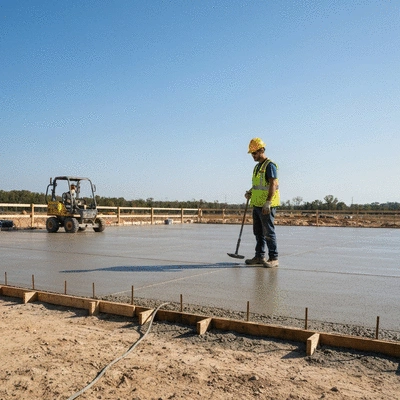
As we wrap up our exploration of concrete slabs for parking lots, it’s essential to keep a few key factors in mind. Understanding the unique requirements of your project will help you make informed decisions that enhance the longevity and efficiency of your concrete slabs. Here are some vital points to consider:
- Proper Thickness: Ensure your concrete slab has the appropriate thickness based on the expected vehicle loads and local climate conditions.
- Reinforcement Matters: Utilize the right reinforcement methods to enhance durability and load-bearing capacity.
- Curing is Crucial: Implement effective curing practices to avoid common pitfalls that can compromise the slab’s performance over time.
- Regular Maintenance: Establish a maintenance plan to prolong the lifespan of your concrete surface and address any repairs promptly.
By focusing on these aspects, you can set your concrete slab project up for success! Each step in the process contributes to a structure that withstands the test of time and usage.
Essential Factors to Remember When Planning Your Concrete Slab
When you’re in the planning stages of your concrete slab project, keep these essential factors in check:
- Site Preparation: Ensure the site is properly graded and prepared before pouring the slab. For additional guidance, the Federal Highway Administration provides comprehensive resources on pavement design and construction, which can be highly beneficial for optimizing site conditions.
- Weather Conditions: Be mindful of weather factors during installation, as extreme temperatures can affect curing.
- Local Regulations: Familiarize yourself with local codes and standards for commercial concrete slabs.
- Choosing the Right Contractor: Partner with a reputable contractor who understands your specific project needs.
These elements create a solid foundation for your project. As someone who has witnessed the transformation of construction techniques over the years, I can assure you that attention to detail, like those listed, plays a critical role in the success of your concrete slab.
Next Steps: Take Action on Your Concrete Slab Project
Contact a Local Contractor for Your Parking Lot Needs
Ready to take the next step? Don’t hesitate to reach out to a local contractor who specializes in concrete slab installation. A contractor with experience in parking lots can provide valuable insights tailored to your unique site and requirements. At Concrete Slab Innovations, we understand the intricacies of effective slab construction and are here to guide you through the process!
Request a Free Estimate or Consultation
If you're still weighing your options, consider requesting a free estimate or consultation. This way, you can discuss your project requirements and get a clearer picture of potential costs and timelines. Having this information at hand will empower you to make informed decisions as you move forward with your concrete slab project.
Taking action today could set your project on the path to success. Don’t wait too long; let’s turn your concrete slab vision into reality!
Recap of Key Points
Here is a quick recap of the important points discussed in the article:
- Proper Thickness: Ensure your concrete slab has the appropriate thickness based on the expected vehicle loads and local climate conditions.
- Reinforcement Matters: Utilize the right reinforcement methods to enhance durability and load-bearing capacity.
- Curing is Crucial: Implement effective curing practices to avoid common pitfalls that can compromise the slab’s performance over time.
- Regular Maintenance: Establish a maintenance plan to prolong the lifespan of your concrete surface and address any repairs promptly.
- Site Preparation: Ensure the site is properly graded and prepared before pouring the slab.
- Weather Conditions: Be mindful of weather factors during installation, as extreme temperatures can affect curing.
- Local Regulations: Familiarize yourself with local codes and standards for commercial concrete slabs.
- Choosing the Right Contractor: Partner with a reputable contractor who understands your specific project needs.

Aidan Cromwell
Aidan Cromwell is a seasoned construction professional and industry expert with a passion for innovative building solutions. With extensive experience in concrete slab construction and a deep understanding of modular formwork systems, Aidan strives to educate and empower contractors, engineers, and project managers. His insights are grounded in practical knowledge and a commitment to advancing construction efficiency and safety.
Popular Posts
Aluminum Formwork and Carbon Reduction
![Aluminum Formwork and Carbon Reduction]() What if the way we build could significantly impact our planet's future? Embracing aluminum formwork
What if the way we build could significantly impact our planet's future? Embracing aluminum formwork
 What if the way we build could significantly impact our planet's future? Embracing aluminum formwork
Aluminum Formwork: Storage and Transport
![Aluminum Formwork: Storage and Transport]() What if the longevity of your aluminum formwork could be dramatically increased just by changing how
What if the longevity of your aluminum formwork could be dramatically increased just by changing how
 What if the longevity of your aluminum formwork could be dramatically increased just by changing how
Train Your Crew for Efficient Assembly
![Train Your Crew for Efficient Assembly]() Investing in training can transform your construction project outcomes. With proper techniques and k
Investing in training can transform your construction project outcomes. With proper techniques and k
 Investing in training can transform your construction project outcomes. With proper techniques and k
Aluminum Formwork Load Engineering Guidelines
![Aluminum Formwork Load Engineering Guidelines]() Consider this: a single miscalculation in load engineering can lead to structural failures and finan
Consider this: a single miscalculation in load engineering can lead to structural failures and finan
 Consider this: a single miscalculation in load engineering can lead to structural failures and finan
