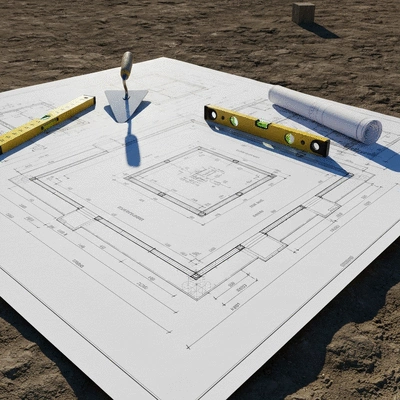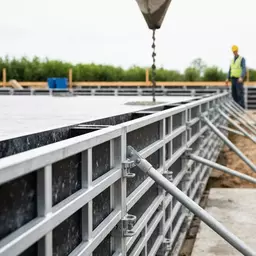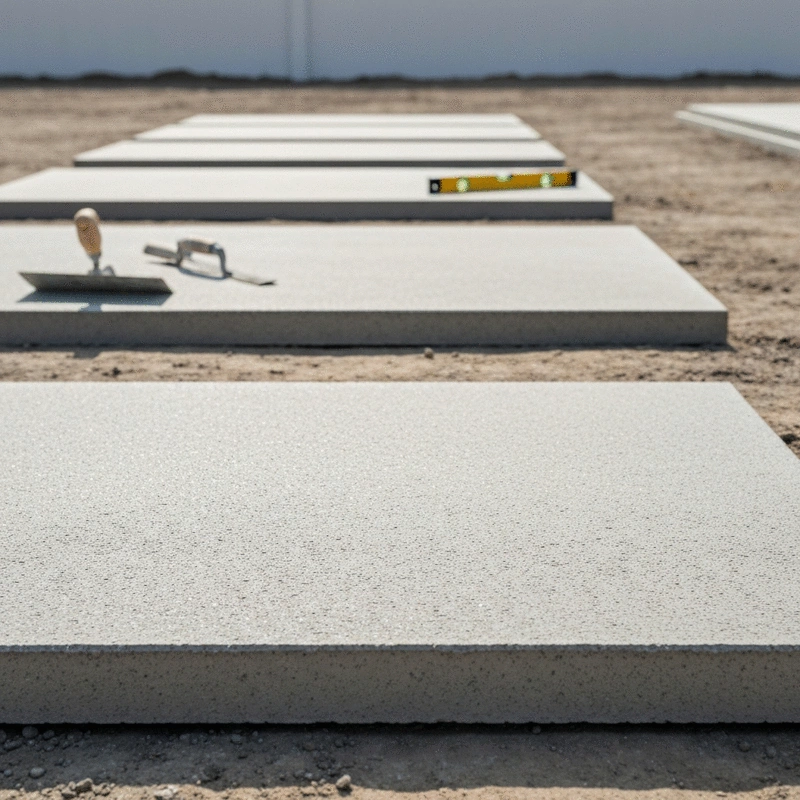
Primary Benefit Cost-Effective & Faster Installation
Generally less expensive due to fewer materials and less labor, leading to quicker project completion.
Choosing the right foundation for your home isn't just about strength; it's about making a wise investment for the future. With concrete slab foundations becoming increasingly popular, understanding their benefits and types is essential for any homeowner.
Concrete slab foundations offer several compelling benefits for homeowners, ranging from cost savings and faster construction to enhanced durability and energy efficiency. Below is a visual summary of these key advantages.
Generally less expensive due to fewer materials and less labor, leading to quicker project completion.
Slabs help regulate internal temperatures, making homes more energy-efficient and requiring minimal upkeep.
Can withstand heavy loads and resist wear, less susceptible to pest entry compared to other foundations.
Different slab types (Monolithic, Stem Wall, Post-Tensioned) can be tailored to specific environmental needs.
When it comes to building your home, the foundation is everything. It serves as the base that supports your entire structure, so choosing the right type is crucial. A concrete slab foundation is one of the most popular options for homeowners, and for good reason! In this section, we'll explore what a concrete slab is, its benefits, and the different types available.
A concrete slab foundation consists of a solid, flat surface made of concrete, which is poured directly on the ground. This foundation type is typically 4 to 6 inches thick and provides a sturdy base for your home. Unlike other foundations, a concrete slab does not require a basement or crawl space, which can save both time and money during construction.
In essence, a concrete slab acts as a barrier against moisture from the ground and contributes to energy efficiency. With my experience at
Opting for a concrete slab foundation comes with numerous benefits. Here are some key advantages to consider:
These advantages make concrete slabs an attractive option for many homeowners. Just imagine reducing construction time while saving money! Plus, with the right planning, you can ensure your slab fits perfectly with your home’s design.
Understanding these variations allows you to choose the most suitable option for your home. Each type has distinct features that cater to different environmental conditions and project requirements. So, what do you think? Is a concrete slab the right foundation for your dream home?
As you consider the benefits of concrete slab foundations, we want to know: What feature do you value the most in a foundation? Choose your top priority below:
Concrete slab foundations are typically 4 to 6 inches thick, providing a sturdy and stable base for your home.
Key benefits include cost-effectiveness, faster installation, enhanced energy efficiency, and low maintenance requirements, as well as increased durability and pest resistance.
The main types are Monolithic Slabs (poured all at once), Stem Wall Slabs (with vertical walls for support), and Post-Tensioned Slabs (reinforced with steel cables for larger projects).
Yes, concrete slabs help regulate internal temperatures, contributing to better energy efficiency and potentially lower energy bills for your home.
Absolutely. Engaging a contractor specializing in concrete work is crucial for ensuring quality construction, adherence to local building codes, and smooth project execution.
When considering a concrete slab foundation for your home, it’s vital to reflect on its numerous advantages. A concrete slab is not only a reliable choice but also a durable one, providing a solid base that stands the test of time. This foundation type offers benefits such as cost-effectiveness, quick installation, and reduced susceptibility to pests compared to traditional foundations.
Moreover, it’s essential to recognize that investing in a concrete slab means investing in the future of your home. These factors contribute to long-term peace of mind, making it a strategic choice for any homeowner.
Concrete slabs serve as a robust foundation option, particularly in areas prone to flooding or expansive soil. With a solid understanding of their benefits, you can appreciate why many homeowners opt for this solution. Here’s a quick overview of why a concrete slab is a trusted foundation:
These factors illustrate why concrete slab foundations remain popular among homeowners. If you’re still on the fence, consider consulting with us at Concrete Slab Innovations for tailored insights on how this type of foundation can fit your home’s needs.
Planning your concrete slab project involves careful consideration of various factors, from site preparation to material selection. It’s crucial to engage professionals who understand the intricacies of concrete construction. I recommend creating a detailed project timeline, as it will guide your decisions and help manage expectations throughout the process.
Remember, involving experienced contractors can also help in identifying potential challenges early on, ensuring a smoother construction phase. With the right preparation, your concrete slab project can lead to a solid foundation for your home’s future!
The first step towards constructing your concrete slab is to consult with professionals in the field. Engaging a contractor who specializes in concrete work can make a significant difference in the quality of your project. Consider reaching out to Concrete Slab Innovations to explore our network of trusted contractors equipped with the expertise you need.
Once you've chosen a contractor, it’s time to gather the necessary resources and tools for your concrete slab construction. This phase ensures you’re fully prepared for a smooth build. Here are some resources you might need:
By having everything ready, you set the stage for an efficient construction process.
Before breaking ground, it's crucial to understand the building codes and obtain the necessary permits in your area. Each region has specific regulations regarding foundation work, and compliance is essential for the safety and legality of your project. I recommend contacting your local building authority to ensure you’re fully aware of:
Taking these steps can save you significant time and complications down the road. With proper planning and guidance, your concrete slab project can be a successful investment in your home!
Here is a quick recap of the important points discussed in the article:
Aidan Cromwell is a seasoned construction professional and industry expert with a passion for innovative building solutions. With extensive experience in concrete slab construction and a deep understanding of modular formwork systems, Aidan strives to educate and empower contractors, engineers, and project managers. His insights are grounded in practical knowledge and a commitment to advancing construction efficiency and safety.