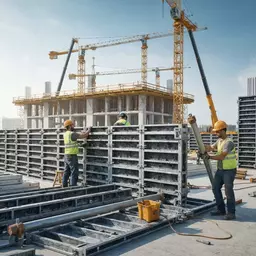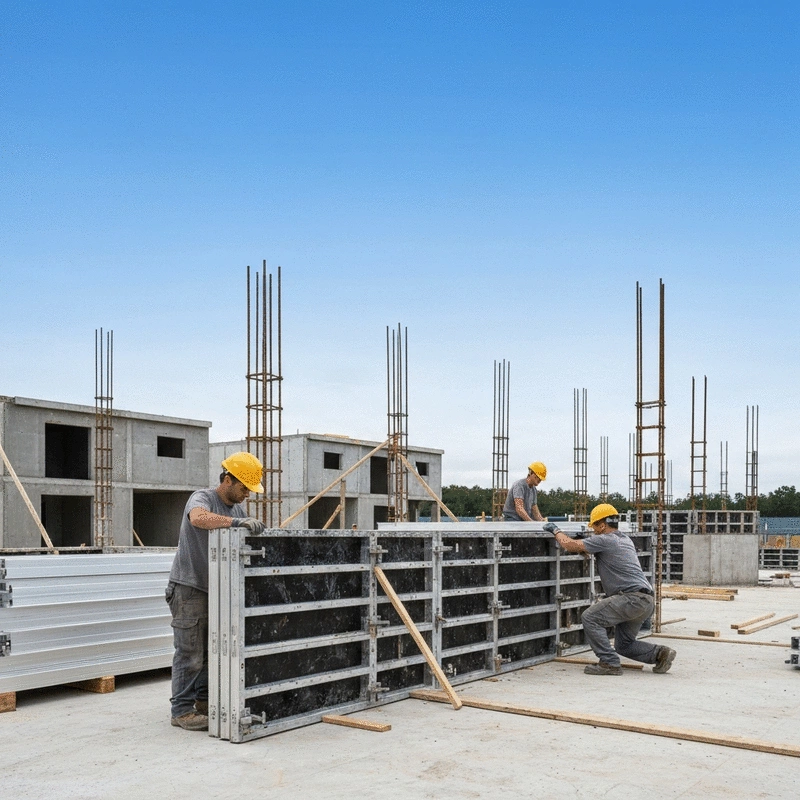
Time & Cost Savings with Aluminum Formwork
- ✓
Up to 30% faster construction timelines
- ✓
Reduced overall project costs due to reusability
- ✓
Enhanced labor allocation with fewer skilled workers
What if the future of affordable housing could be built in weeks instead of months? With innovative solutions like aluminum formwork, this becomes a reality. Discover how this technology is reshaping the construction landscape and paving the way for sustainable living.
This comparison highlights the significant advantages of aluminum formwork in construction speed, cost efficiency, and overall project effectiveness, particularly for mass housing initiatives.
Up to 30% faster construction timelines
Reduced overall project costs due to reusability
Enhanced labor allocation with fewer skilled workers
Proven success in high-density regions (e.g., India, China)
Enables large-scale construction at lower costs
Accelerates response to urgent housing demands
Reusable for multiple projects, reducing material waste
Lightweight design lowers transportation energy
Minimizes environmental impact compared to concrete
Superior surface finish enhances aesthetic appeal
Robust design ensures durability and longevity
Increased resistance to seismic activity for safety
In today's construction landscape, aluminum formwork is emerging as a transformative solution, especially in the realm of affordable housing. This modular formwork system is designed to create efficient, cost-effective structures while enhancing safety and quality. By understanding its primary applications, we can better engage with the opportunities it presents for rapid construction.
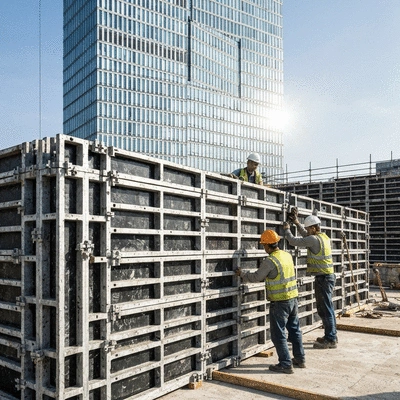
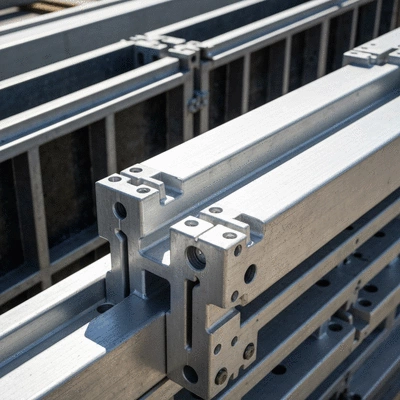
Aluminum formwork is utilized primarily for forming walls and slabs in concrete structures. Its lightweight yet robust design allows for a quick assembly process, making it ideal for projects requiring both speed and precision. Are you curious about how this innovation can reshape the construction of affordable housing? Let’s explore!
Aluminum formwork is a reusable formwork system that has gained traction in modern construction. Its primary applications include building high-rise structures, residential complexes, and even commercial buildings. The advantages lie in its adaptability to different designs and the ability to facilitate a rapid construction cycle.
This versatility is crucial for contractors aiming to deliver quality housing solutions within tight deadlines and budgets. At Concrete Slab Innovations, we believe that embracing aluminum formwork systems can pave the way for more efficient building practices in the affordable housing sector.
One of the standout features of aluminum formwork is the speed of assembly and disassembly. Our experience shows that the lightweight nature of aluminum systems allows teams to set up forms quickly, subsequently reducing the time required for pouring concrete. This rapid turnaround can be a game changer in fast-paced housing projects.
Imagine completing a foundation in just a few days rather than weeks! The ability to quickly shift between tasks means more projects can be completed within the same timeframe, allowing contractors to maximize their output. For instance, studies highlight that aluminum formwork can lead to a reduction in project duration by up to 30%, a significant advantage for urgent housing demands.
When analyzing aluminum formwork, one cannot overlook its cost efficiency. While the initial investment can be higher than traditional methods, the long-term savings are substantial. Contractors can significantly reduce labor costs due to the ease of setup and minimal need for skilled workers.
These factors contribute to a compelling return on investment, making aluminum formwork a smart choice for projects focused on affordability and sustainability.
The reusability of aluminum formwork is one of its key advantages. With the ability to be used for multiple projects, it minimizes the need for new materials. This not only saves costs but also reduces the environmental impact of construction. At Concrete Slab Innovations, we emphasize the importance of sustainable building practices.
By choosing aluminum formwork, contractors are not only investing in their projects but also in a greener future. Imagine contributing to sustainability while delivering quality construction—now that’s a win-win!
Aluminum formwork provides a superior surface finish compared to its concrete counterparts. This quality is especially important in visible areas of buildings, enhancing the aesthetic appeal of any project. Additionally, its robust design ensures durability and resistance to seismic activity, making it an excellent choice for regions prone to earthquakes. Research from international journals supports that aluminum formwork systems contribute to the structural integrity and seismic performance of buildings.
For project managers looking to ensure the longevity and safety of their structures, aluminum formwork can be a significant asset. Wouldn’t you want your projects to withstand the test of time?
Data collected from various projects shows that aluminum formwork can significantly reduce both construction timelines and costs. On average, projects using aluminum formwork can see time savings of up to 30% compared to traditional methods. Isn’t that impressive?
This efficiency can be key in high-density housing projects, allowing for quicker responses to urgent housing demands in urban areas.
Countries like India and China have successfully implemented aluminum formwork in their mass housing initiatives, showcasing its effectiveness in high-density projects. With rapid urbanization, the demands for affordable housing are rising. Aluminum formwork has proven to be effective in meeting these demands by enabling large-scale construction at a fraction of traditional costs. The Confederation of Real Estate Developers’ Associations of India (CREDAI) has also highlighted the significance of such innovative formwork systems in addressing the housing shortage.
By adopting this innovative approach, nations can expedite the construction of necessary housing while ensuring quality and safety. Are you ready to see how these advancements can be mirrored in your projects?
One of the most notable success stories involves a 12-storey tower that was constructed in just 96 days using aluminum formwork. This project not only met the stringent deadlines but also adhered to high-quality standards, showcasing the potential of aluminum in high-rise construction.
Such impressive timelines can lead to increased profits and the ability to take on more projects. The rapid completion also allows developers to capitalize on market demands swiftly, fostering growth in the affordable housing sector.
While aluminum formwork brings many benefits, it’s essential to acknowledge the challenges faced during implementation. Some contractors initially struggled with the learning curve associated with this new system. However, through training and adaptation, many have successfully integrated aluminum formwork into their processes.
At Concrete Slab Innovations, we advocate for sharing these insights to help others avoid common pitfalls. Learning from these experiences can enhance your project outcomes significantly!
One of the primary concerns regarding aluminum formwork is the initial investment. While it may seem daunting, when we analyze the return on investment over the lifecycle of a project, the long-term benefits become clear. Reduced labor and material costs contribute to significant savings that far outweigh the upfront costs.
For contractors and project managers focused on affordability, it’s crucial to weigh these factors carefully to make informed decisions.
Implementing aluminum formwork requires proper training and adherence to building regulations. It’s essential for teams to understand how to work with the materials effectively to maximize safety and efficiency. Without adequate training, the risk of errors can increase, negating the benefits of the system.
At Concrete Slab Innovations, we believe that investing in education and compliance can significantly enhance project success.
Modern construction techniques and innovations in prefabrication are enhancing the efficiency of aluminum formwork systems. These advancements allow for better integration of technology, improving project management and execution. Have you considered how adopting these innovations can streamline your construction processes?
Aluminum formwork aligns perfectly with sustainable building practices. By reducing waste and energy consumption, it contributes to green building initiatives that are increasingly important in today's construction environment. As industry professionals, we must advocate for solutions that support sustainable urban planning.
Incorporating aluminum formwork not only meets immediate housing needs but also fosters a commitment to environmental responsibility that can shape the future of construction.
What do you think about the role of aluminum formwork in enhancing affordable housing? Share your thoughts below:
As we consider the future of construction, it's clear that aluminum formwork plays a pivotal role in promoting sustainable building practices. This innovative system not only supports rapid construction but also aligns with the growing demand for environmentally friendly solutions. At Concrete Slab Innovations, we recognize how aluminum formwork can significantly reduce waste while improving the overall efficiency of housing projects.
By minimizing the environmental footprint, aluminum formwork not only meets the needs of modern construction but also contributes to the sustainability goals of urban development. Imagine a world where buildings are not just structures, but also solutions to pressing ecological challenges!
The integration of aluminum formwork into affordable housing projects can promote sustainable development in several key ways:
When we think about sustainable building practices, adopting aluminum formwork is a smart move for both contractors and engineers. It not only streamlines the construction process but also aligns with broader goals of environmental stewardship.
Effective project management is essential for maximizing the benefits of aluminum formwork in housing projects. By utilizing innovative construction methods, we can significantly improve project timelines and efficiency. Here are some strategies that can enhance outcomes:
In my experience, effective communication among team members and clear expectations can lead to remarkable improvements in project execution. The right approach not only enhances project efficiency but also fosters a collaborative work environment.
In conclusion, the benefits of aluminum formwork are substantial, particularly in the realm of affordable housing. This method not only facilitates rapid construction but also promotes sustainability, cost efficiency, and superior quality. I encourage industry professionals to consider adopting aluminum formwork techniques in their upcoming projects—it's a step towards a more efficient and environmentally responsible future.
Have you had experiences with aluminum formwork in your projects? Or do you have questions about its implementation in rapid construction? I invite you to share your thoughts and insights! Let’s collaborate and explore how we can further innovate in the construction industry.
Here is a quick recap of the important points discussed in the article:
Aidan Cromwell is a seasoned construction professional and industry expert with a passion for innovative building solutions. With extensive experience in concrete slab construction and a deep understanding of modular formwork systems, Aidan strives to educate and empower contractors, engineers, and project managers. His insights are grounded in practical knowledge and a commitment to advancing construction efficiency and safety.