Reinforcing Techniques for Concrete Slabs
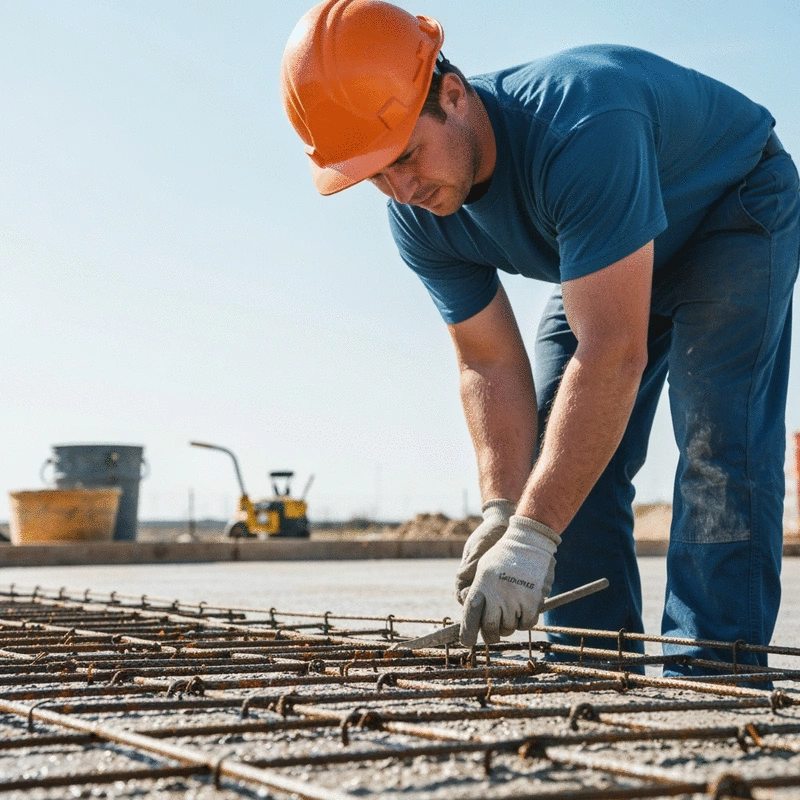
Reinforcing concrete slabs is more than just a technical necessity; it’s a commitment to safety and durability in construction. As you navigate the complexities of building, understanding the significance of proper reinforcement can profoundly impact your projects. Let's delve into the essential lessons that will enhance your construction endeavors.
What You Will Learn
- Reinforced concrete slabs are crucial for increased load-bearing capacity, enabling them to support heavier weights without compromise.
- Proper reinforcement significantly reduces the likelihood of cracks forming during and after the curing process.
- Investing in reinforcement can enhance the overall durability of slabs, making them more resilient against environmental stresses.
- Unreinforced slabs can lead to serious issues such as cracking and settlement, compromising safety and increasing costs in the long run.
- Choosing the right materials, such as steel rebar or fiberglass, is vital for effective reinforcement and structural integrity.
- Advanced materials like carbon fiber and various concrete additives can significantly boost the performance of your slabs.
- Regular inspections and proper curing methods are essential for maintaining the integrity of concrete slabs over time.
Reinforcement: Essential vs. Unreinforced Concrete Slabs
This visual presents a side-by-side comparison of the benefits of reinforced concrete slabs versus the issues associated with unreinforced slabs. It highlights key factors contributing to durability, stability, and cost-effectiveness in construction.
Benefits of Reinforced Slabs
- ✓ Increased Load-Bearing Capacity
- ✓ Crack Resistance
- ✓ Enhanced Durability
- ✓ Cost-Effectiveness (Long-Term)
Issues with Unreinforced Slabs
- ✖ High Susceptibility to Cracking
- ✖ Uneven Settlement Issues
- ✖ Shortened Lifespan & Repairs
- ✖ Potential Safety Hazards
Understanding the Importance of Concrete Slab Reinforcement
When it comes to constructing durable concrete slabs, understanding the importance of reinforcement cannot be overstated. Reinforced concrete slabs are designed to withstand various stresses and loads, ensuring they remain safe and functional over time. Are you aware that reinforcing your concrete slab can significantly improve its lifespan and performance? Let’s explore why this is essential for every construction project.
Reinforcement doesn’t just enhance the strength of a slab; it also helps prevent potential issues down the line. By adding support, you're not only investing in the integrity of your work but also in the safety of those who use the structure. As someone deeply engaged in the industry, I can assure you that the right reinforcement techniques are crucial for achieving high-quality results.
Why Reinforcing Your Concrete Slab is Essential
Reinforcement plays a vital role in maintaining the stability and durability of a concrete slab. Here are some key reasons why it’s essential:
- Increased Load-Bearing Capacity: Reinforced slabs can support heavier loads without cracking or failing. For more detailed information on design and construction, refer to publications such as those from the National Institute of Standards and Technology (NIST).
- Crack Resistance: Proper reinforcement helps prevent cracks from developing during and after the curing process.
- Enhanced Durability: Reinforced slabs can better withstand environmental stresses, such as freeze-thaw cycles and moisture.
- Cost-Effectiveness: Investing in reinforcement now can save you from costly repairs in the future!
These benefits highlight just how crucial reinforcement is for any concrete slab project. At Concrete Slab Innovations, we advocate for embracing these practices to enhance overall project outcomes.
Common Issues with Unreinforced Concrete Slabs
Unfortunately, many projects still rely on unreinforced concrete slabs, which can lead to several serious problems. Understanding these issues can help you make informed decisions for your projects.
- Cracking: Unreinforced slabs are more susceptible to cracking, which can compromise structural integrity.
- Settlement Issues: Without reinforcement, slabs may settle unevenly, leading to further complications.
- Shortened Lifespan: The durability of unreinforced slabs is significantly lower, resulting in more frequent repairs and replacements.
- Safety Hazards: Cracks and uneven surfaces can pose safety risks for users and workers alike.
As you can see, the drawbacks of using unreinforced concrete are significant. Reinforcement is not just a suggestion; it’s a necessity for anyone serious about quality in construction.
Materials for Effective Concrete Slab Reinforcement
Choosing the right materials for slab reinforcement is essential to achieving the desired structural integrity. The market offers various options, and understanding them can help you select the most suitable for your project.
With my background in concrete slab construction, I recommend considering both traditional and innovative materials when planning your reinforcement strategy.
Exploring Different Reinforcement Options: Steel Rebar, Wire Mesh, and More
There are several popular options for reinforcing concrete slabs, each with its unique benefits:
- Steel Rebar: A common choice for its high tensile strength and effectiveness in load distribution.
- Wire Mesh: Ideal for smaller projects, wire mesh provides a good level of support and is easier to install.
- Fiberglass Rebar: Lightweight and resistant to corrosion, this option is great for more specialized applications.
- Composite Reinforcement: Combining materials can enhance performance and cost-effectiveness. The Federal Highway Administration (FHWA) provides resources on composite materials for infrastructure.
Each of these materials brings something valuable to the table, and selecting the right one depends on the specific needs of your project. Understanding these options will empower you to make better decisions.
The Role of Carbon Fiber and Concrete Additives in Strengthening Slabs
In addition to traditional reinforcement materials, carbon fiber and various concrete additives are becoming increasingly popular in modern construction.
- Carbon Fiber Reinforcement: Known for its lightweight and high strength, carbon fiber is excellent for enhancing slab performance. For more on advanced materials, you can explore resources like the ASCE Library, which often publishes research on structural engineering and innovative materials.
- Additives: Various additives can improve workability, durability, and resistance to cracking.
- Polymer Modifiers: These can enhance adhesion and bond strength, providing an additional layer of security.
Utilizing these advanced materials can significantly enhance the performance of your slabs. At Concrete Slab Innovations, we believe that embracing these new technologies will lead to better project outcomes and greater efficiency.
Pro Tip
When selecting reinforcement materials for your concrete slab, consider the specific environmental conditions your slab will face. For example, if your project is in a coastal area, using corrosion-resistant materials like fiberglass rebar can significantly enhance durability and extend the lifespan of your slab.
Frequently Asked Questions about Concrete Slab Reinforcement
Here are some common questions regarding concrete slab reinforcement to help clarify key aspects discussed in this article.
- Q: Why is reinforcement essential for concrete slabs?
- A: Reinforcement significantly increases the slab's load-bearing capacity, improves crack resistance during and after curing, enhances overall durability against environmental stresses, and proves to be cost-effective in the long run by preventing costly repairs.
- Q: What are the main issues with unreinforced concrete slabs?
- A: Unreinforced slabs are highly susceptible to cracking, can experience uneven settlement issues, have a shortened lifespan requiring more frequent repairs, and may pose safety hazards due to cracks and uneven surfaces.
- Q: What materials are commonly used for concrete slab reinforcement?
- A: Common materials include steel rebar for high tensile strength, wire mesh for smaller projects, and fiberglass rebar for corrosion resistance. Composite materials are also used to combine benefits, and advanced options like carbon fiber and various concrete additives further enhance performance.
- Q: How do carbon fiber and concrete additives improve slab performance?
- A: Carbon fiber offers a lightweight yet high-strength reinforcement, while concrete additives can improve workability, durability, and resistance to cracking. Polymer modifiers specifically enhance adhesion and bond strength within the concrete.
- Q: What are the best practices for achieving a strong and durable concrete slab?
- A: Key best practices include utilizing appropriate reinforcement materials, ensuring proper curing methods (maintaining moisture for at least 7 days, using curing compounds, controlling temperature), and regularly inspecting slabs for issues. Considering environmental factors during design is also crucial.
Summarizing Key Takeaways on Concrete Slab Reinforcement
Concrete slab reinforcement is a crucial aspect of ensuring your projects stand the test of time. As I've learned throughout my career at Concrete Slab Innovations, employing the right techniques can significantly enhance the durability and safety of your structures. Here are some best practices to keep in mind:
- Always utilize appropriate reinforcement materials like steel rebar or wire mesh.
- Ensure proper curing methods are applied to allow the concrete to gain strength effectively.
- Inspect your slabs regularly for signs of cracking or other issues to address them promptly.
- Consider environmental factors such as moisture and temperature variations when planning your slab design.
By following these practices, you’ll be on the right path toward achieving a robust and reliable concrete slab that meets your project's demands!
Best Practices for Achieving a Strong and Durable Concrete Slab with Proper Curing
Proper curing is essential in the concrete slab process. It allows the material to hydrate and achieve optimal strength. Here are some key points to remember:
- Maintain moisture: Keeping the concrete moist for at least 7 days helps prevent cracking.
- Use curing compounds: These can help retain moisture and protect the surface during the curing process.
- Control temperature: Monitor and manage environmental conditions to avoid rapid drying.
Implementing these curing techniques will significantly enhance the performance and longevity of your concrete slabs. Don't underestimate the power of a little care and attention!
Next Steps: When to Consult a Professional vs. Going DIY for Structural Analysis
Deciding whether to handle slab reinforcement yourself or consult a professional can be challenging. Here’s a simple guideline to help you:
- If you have extensive experience with concrete work, a DIY approach might be appropriate for straightforward projects.
- For complex structures or significant load-bearing calculations, seeking a professional’s expertise is advisable.
- Always consider local building codes and regulations when undertaking structural modifications.
At Concrete Slab Innovations, we believe that understanding your limitations and knowing when to seek help is vital in construction. Your project's success often hinges on the right decisions!
Engaging with Readers: Share Your Reinforcement Experiences
Now that we’ve covered the essentials of concrete slab reinforcement, I invite you to share your own experiences! Have you faced challenges or found effective solutions that worked well for your projects? Your insights can help others in the community.
Invite Questions and Comments on Concrete Slab Reinforcement Techniques and Construction Safety
Feel free to drop your questions or comments below. Whether it’s about reinforcement techniques, safety considerations, or any other construction concerns, I’m here to engage with you. Your feedback is invaluable!
Resources for Further Learning and Support in Slab Reinforcement, Including Building Codes
For those eager to dive deeper into concrete slab reinforcement, I recommend checking out the following resources:
- Local building codes and regulations.
- Industry publications focused on construction best practices.
- Online forums and communities for contractors and engineers.
By leveraging these resources, you can stay informed and make educated decisions for your projects. Remember, the more you learn, the better you can build!
Recap of Key Points
Here is a quick recap of the important points discussed in the article:
- Reinforcing your concrete slab increases load-bearing capacity and crack resistance.
- Unreinforced slabs can lead to serious issues, including cracking and shortened lifespan.
- Use appropriate materials such as steel rebar or wire mesh for effective reinforcement.
- Proper curing techniques are essential to achieving optimal concrete strength.
- Consult a professional for complex structures or significant load-bearing calculations.

Aidan Cromwell
Aidan Cromwell is a seasoned construction professional and industry expert with a passion for innovative building solutions. With extensive experience in concrete slab construction and a deep understanding of modular formwork systems, Aidan strives to educate and empower contractors, engineers, and project managers. His insights are grounded in practical knowledge and a commitment to advancing construction efficiency and safety.
Popular Posts
Aluminum Formwork and Carbon Reduction
![Aluminum Formwork and Carbon Reduction]() What if the way we build could significantly impact our planet's future? Embracing aluminum formwork
What if the way we build could significantly impact our planet's future? Embracing aluminum formwork
 What if the way we build could significantly impact our planet's future? Embracing aluminum formwork
Aluminum Formwork: Storage and Transport
![Aluminum Formwork: Storage and Transport]() What if the longevity of your aluminum formwork could be dramatically increased just by changing how
What if the longevity of your aluminum formwork could be dramatically increased just by changing how
 What if the longevity of your aluminum formwork could be dramatically increased just by changing how
Train Your Crew for Efficient Assembly
![Train Your Crew for Efficient Assembly]() Investing in training can transform your construction project outcomes. With proper techniques and k
Investing in training can transform your construction project outcomes. With proper techniques and k
 Investing in training can transform your construction project outcomes. With proper techniques and k
Aluminum Formwork Load Engineering Guidelines
![Aluminum Formwork Load Engineering Guidelines]() Consider this: a single miscalculation in load engineering can lead to structural failures and finan
Consider this: a single miscalculation in load engineering can lead to structural failures and finan
 Consider this: a single miscalculation in load engineering can lead to structural failures and finan
