Understanding the costs associated with concrete slab support can mean the difference between a successful project and unexpected expenses. Have you considered the various factors that influence these costs? In this guide, we delve into the essential elements you need to be aware of to make informed decisions for your concrete slab projects.
What You Will Learn
Material Costs Matter: The choice of concrete, reinforcement materials, and additives can significantly alter your budget.
Labor Implications: Decide between hiring professionals or opting for a DIY approach to manage costs effectively.
Project Complexity: Unique designs or difficult site conditions can lead to increased expenses that need consideration.
Regional Pricing Variances: Understand that concrete slab costs can vary by location, affecting your budget planning.
Long-term Durability: Investing in high-quality materials can lead to lower maintenance costs over time, balancing initial expenses.
Regular Inspections: Allocating a budget for routine assessments can help avoid costly repairs in the future.
Concrete Slab Project Cost Factors
Explore the key elements that influence the cost of concrete slab support and installation, from materials to labor and project complexity.
Material Costs
Concrete Mix: Standard vs. Specialty
Reinforcement: Rebar vs. Wire Mesh
Additives: Performance enhancers
Foundational choices
Labor & Expertise
Professional Contractors: Skilled installation
DIY Approach: Cost savings vs. risk
Structural Engineers: For complex designs
Quality vs. savings
Project Complexity
Site Conditions: Terrain, accessibility
Design Specifications: Intricacy, features
Permitting & Regulations: Local compliance
Unique design factors
Slab Specifications
Thickness: 4-inch (residential) vs. 6-8 inch (commercial)
Type: Standard, Insulated, Precast
Environmental: Soil, weather conditions
Durability vs. cost
Understanding Concrete Slab Support Cost
When embarking on a concrete slab project, understanding the associated costs is crucial. Concrete slab support costs can vary significantly based on several factors, including material choices, labor, and project specifications. In this section, we’ll dive into what influences these costs and how you can make informed decisions to optimize your investment.
At Concrete Slab Innovations, we’re dedicated to helping professionals like you navigate the complexities of concrete slab construction, ensuring quality and efficiency throughout your projects!
What Influences the Cost of Concrete Slab Support?
Several elements play a role in determining the overall cost of concrete slab support. Here are the key factors to consider:
Material Costs: The type of concrete, reinforcement materials, and additives can significantly affect your budget.
Labor Costs: Hiring skilled professionals versus taking a DIY approach can lead to vast differences in expenses.
Project Complexity: Unique designs or challenging site conditions may increase costs due to the additional resources required.
Understanding these factors can empower you to make choices that align with both your budget and project goals. Let’s break down some of these elements further!
Material Costs: Breakdown of Concrete and Reinforcement
The materials you choose for your concrete slab are foundational to both quality and cost. Generally, the main components include:
Concrete Mix: Different mixes, whether standard or specialty, come with varying price tags.
Reinforcement Materials: Options like rebar and wire mesh can considerably impact costs based on your slab's load requirements.
Additives: These can enhance the performance and durability of your slab but may add to the overall expense.
By carefully selecting materials that meet your project specifications while remaining budget-friendly, you can achieve a balance between cost and performance.
Labor Costs: Hiring Professionals vs. DIY
Labor is often one of the most significant components of your total expenses. Here’s what to consider:
Hiring Professionals: While it can be more expensive, skilled contractors ensure a high-quality installation, reducing the risk of long-term issues.
DIY Approach: Taking on the work yourself can save money, but it requires experience and the right tools to avoid costly mistakes.
Weighing the pros and cons of each option is essential. At Concrete Slab Innovations, we often guide clients in making the right choice based on their specific project needs!
Project Complexity and Its Impact on Pricing
The complexity of your project inherently influences costs. Factors such as:
Site Conditions: Uneven terrain or site accessibility can require additional work and equipment.
Design Specifications: More intricate designs necessitate more time and materials.
Permitting and Regulations: Compliance with local codes can add to your timeline and expenses.
Understanding how complexity affects your project can help you better prepare for the financial implications involved.
Concrete Slab Pricing per Square Foot
Another vital aspect to consider is the pricing of concrete slabs per square foot. This metric provides a straightforward way to estimate costs for your specific project needs.
As you plan your project, be sure to keep in mind the regional variations that might affect pricing!
Average Costs: National and Regional Variations
The average cost of concrete slabs can vary considerably across different regions. For example, recent reports indicate that concrete material costs have seen updates, and the 2023 Construction Cost Trends highlight regional differences. Typically, you might expect costs to range from:
National Average: Approximately $4 to $8 per square foot.
Regional Differences: Areas with higher labor costs or stricter regulations may see prices exceeding $10 per square foot.
Being aware of these averages ensures you can budget effectively while planning your project!
Comparing Different Types of Concrete Slabs
There are various types of concrete slabs, and each type comes with its own cost structure. Here’s a quick comparison:
Standard Slab: Typically the most cost-effective option.
Insulated Slab: Provides better thermal performance but comes at a higher initial cost.
Precast Slab: Ideal for faster installation but may have higher transportation costs.
Choosing the right type of slab for your project can significantly affect your overall budget and performance!
Understanding Cost per Square Foot for Various Mixes
The cost per square foot can also depend on the specific concrete mix used. Here are some examples:
Standard Mix: Generally the cheapest option.
High-Strength Mix: More expensive due to enhanced performance characteristics.
Decorative Mix: Used for aesthetic purposes; costs can vary widely based on design.
Understanding these differences allows you to align your budget with your performance needs effectively.
Factors Affecting Concrete Slab Support Cost
Several other factors also influence the cost of concrete slab support. Delving into these can help you anticipate potential expenses!
Slab Thickness and Its Role in Overall Cost
Thicker slabs generally provide greater strength and durability but will also increase material and labor costs. Here’s how thickness affects pricing:
Standard Thickness (4 inches): Typically sufficient for most residential applications.
Increased Thickness (6-8 inches): Ideal for commercial projects or heavy loads, resulting in higher costs.
Considering the optimal thickness for your needs can help you balance durability with cost.
Type of Reinforcement: Rebar vs. Wire Mesh
The reinforcement method you choose makes a difference in both performance and cost:
Rebar: Offers superior strength but is often more expensive.
Wire Mesh: A more economical option that can still provide adequate support for lighter applications.
Understanding these options helps you make informed decisions tailored to your project’s requirements.
Environmental and Soil Condition Considerations
Soil quality and environmental conditions can significantly impact costs. Considerations include:
Soil Type: Poor soil conditions may necessitate additional grading or stabilization methods.
Weather Conditions: Extreme weather can influence working conditions and timelines, potentially increasing costs.
By assessing these factors, you can prepare for any unexpected costs that may arise!
Impact of Design Specifications and Building Codes on Pricing
Adhering to local building codes can also affect your project’s budget. Here’s what to keep in mind:
Building Codes: Compliance with safety and performance standards can necessitate additional expenses.
Design Specifications: Unique architectural features may require specialized materials and labor.
Staying informed about relevant codes and requirements is essential for both compliance and budget management!
Use Cases for Concrete Slabs and Associated Costs
Concrete slabs are versatile and can be used in various applications, each with its own cost implications. Here’s a closer look!
Residential Applications: Patios and Garages
Residential concrete slabs are often used for patios and garages. Their costs typically range from:
Patios: $4 to $10 per square foot depending on design and finish.
Garages: $6 to $12 per square foot, influenced by thickness and reinforcement needs.
Understanding these costs ensures you’re prepared as you plan your residential projects!
Commercial and Industrial Uses: Heavy Load Scenarios
In commercial settings, concrete slabs must support heavier loads, often leading to higher expenses. Considerations include:
Cost Range: Typically $8 to $15 per square foot for slabs designed to bear significant weight.
Reinforcement and Thickness: Increased thickness and robust reinforcement options to ensure safety and durability.
These factors are integral for successful commercial slab installations!
Precast Slabs vs. Slab-on-Grade: Cost and Performance
Choosing between precast slabs and slab-on-grade systems can impact your budget:
Precast Slabs: Generally more costly due to manufacturing and transportation but offer quick installation benefits.
Slab-on-Grade: More traditional and often more economical, especially for residential projects.
Evaluating your specific needs will guide you in selecting the best option for your project!
Cost Comparison of Different Slab Support Methods
With multiple methods available for slab support, comparing costs is essential for optimizing your budget. Let’s explore some common options!
Reinforced vs. Non-Reinforced Slabs: A Cost Analysis
Choosing between reinforced and non-reinforced slabs can lead to significant cost differences:
Reinforced Slabs: Higher upfront costs but offer enhanced durability and longevity.
Non-Reinforced Slabs: More economical but may require more frequent repairs or replacements.
Assessing the long-term value of these options is crucial for making informed decisions!
Evaluating Various Foundation Support Systems
Foundation support systems can dramatically affect your overall costs. You might consider:
Pier and Beam: Offers stability but can be more expensive to install.
Slab Foundations: Generally the most cost-effective for residential projects.
Understanding the pros and cons of each system can help you optimize your investment!
Understanding Excavation and Site Preparation Costs
Site preparation is a critical step that can significantly influence your budget. Key factors include:
Excavation Needs: Costs can vary based on soil type and site accessibility.
Preparation Requirements: Leveling and grading can add to labor and material costs.
By planning for these expenses, you can ensure that your project stays on budget!
DIY vs. Professional Installation: Making the Right Choice
Deciding between a DIY project or hiring professionals can be a pivotal choice in your concrete slab construction. Let’s break down these options!
Cost-Benefit Analysis of DIY Concrete Slab Installation
A DIY approach may save you money, but it’s vital to weigh the potential pitfalls:
Initial Savings: You save on labor costs but need the right skills and tools to execute the project.
Long-Term Considerations: Mistakes can lead to costly repairs down the line if not done properly.
At Concrete Slab Innovations, we emphasize the importance of knowing your limits and ensuring your project meets quality standards!
When to Consult a Structural Engineer for Slab Support
For complex projects, consulting a structural engineer can save time and money:
Complex Designs: They can help with load calculations and compliance with building codes.
Safety Considerations: Ensuring the integrity of your slab is paramount, especially for heavy loads.
Investing in professional insight can lead to significant long-term savings and peace of mind!
Equipment Rental Considerations for DIY Projects
If you decide on a DIY project, consider the equipment you’ll need:
Concrete Mixers: A necessity for larger pours.
Vibrators: Essential for ensuring a smooth finish and proper settling.
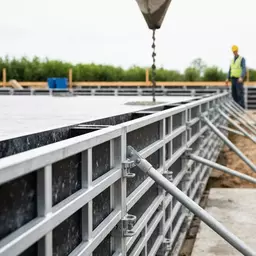
Formwork Systems: Options like our modular aluminum formwork provide efficiency and quality.
By planning your equipment needs in advance, you can save costs and improve your project’s efficiency!
Pro Tip
When planning your concrete slab project, always consider the long-term implications of your material and design choices. Investing in higher-quality materials might increase your initial costs, but they often lead to lower maintenance expenses and greater durability in the long run. This strategic approach can ensure that your project remains efficient and cost-effective over time.
Frequently Asked Questions About Concrete Slab Support Costs
Here are some common questions regarding the cost of concrete slab support:
Q: What are the primary factors influencing concrete slab support costs?
A: The primary factors include material costs (type of concrete, reinforcement, additives), labor costs (professional vs. DIY), project complexity (site conditions, design specifications), and regional pricing variations.
Q: How much does a concrete slab typically cost per square foot?
A: The national average for concrete slabs typically ranges from $4 to $8 per square foot, but this can increase to over $10 per square foot in regions with higher labor costs or stricter regulations. According to recent reports, concrete product prices are a factor in overall building material costs.
Q: Is it cheaper to install a concrete slab myself or hire a professional?
A: A DIY approach can save on labor costs, but it requires significant experience and the right tools. Mistakes can lead to costly repairs. Hiring professionals ensures quality installation, reducing long-term issues, though it involves higher upfront costs.
Q: How does slab thickness affect the overall cost?
A: Thicker slabs, such as 6-8 inches often used for commercial or heavy-load applications, increase material and labor costs compared to standard 4-inch slabs suitable for residential use. This directly impacts the overall cost due to the increased volume of concrete and reinforcement needed.
Q: When should I consult a structural engineer for my concrete slab project?
A: It is highly recommended to consult a structural engineer for complex designs, projects involving heavy loads, or when ensuring compliance with specific building codes. Their expertise can help with load calculations and structural integrity, preventing costly issues down the line.
Wrapping Up Your Understanding of Concrete Slab Support Costs
As we draw our discussion to a close, it's crucial to reflect on the key cost considerations associated with concrete slab support. Understanding these elements can significantly influence your project planning and budgeting. From material choices to installation methods, each decision will impact not only the initial expenses but also the long-term performance and maintenance of your slabs.
Whether you're managing a residential project or a large commercial build, keeping these factors in mind will help you allocate your resources wisely. So, let’s break down what you need to remember!
Key Takeaways on Cost Considerations
First, let's explore the importance of long-term durability. The costs associated with concrete slabs go beyond the initial installation. Ongoing maintenance can vary based on materials and environmental exposure.
Material Selection: High-quality materials may require a higher initial investment but can lead to lower maintenance costs over time.
Climate Impact: Depending on your local climate, you might face additional costs for repairs or sealants to protect against weather-related damage.
Regular Inspections: Setting aside a budget for routine assessments can prevent costly repairs in the future.
In essence, investing in durable materials and thoughtful maintenance strategies can save you money in the long run, ensuring your concrete slabs remain reliable and functional.
Next Steps: Planning Your Concrete Slab Project
Now that you have a grasp on the costs, what’s next? Planning your concrete slab project requires careful thought and preparation.
Utilizing Cost Estimators: Tools like cost estimators can provide you with a more accurate budget projection that reflects local market conditions.
Seeking Professional Quotes: It's wise to gather multiple quotes from contractors to get a sense of the going rates in your area.
Exploring Local Regulations: Be sure to check local building codes and permit fees, as these can significantly affect your overall budget.
By following these steps, you’ll set a solid foundation for your concrete slab project, minimizing surprises and optimizing your investment. At Concrete Slab Innovations, we're here to support you through every phase of this journey!
Recap of Key Points
Here is a quick recap of the important points discussed in the article:
Material Costs: The choice of concrete mix, reinforcement, and additives significantly influences your project's budget.
Labor Costs: Consider the pros and cons of hiring professionals versus a DIY approach to optimize your expenses.
Project Complexity: Unique designs and challenging site conditions can increase costs due to additional resources needed.
Concrete Pricing: Expect costs to range from $4 to $15 per square foot, varying based on type and regional differences.
Long-Term Durability: Investing in high-quality materials can lead to lower maintenance costs over time.
Planning Considerations: Utilize cost estimators and gather multiple quotes to ensure budget accuracy.
Aidan Cromwell
Aidan Cromwell is a seasoned construction professional and industry expert with a passion for innovative building solutions. With extensive experience in concrete slab construction and a deep understanding of modular formwork systems, Aidan strives to educate and empower contractors, engineers, and project managers. His insights are grounded in practical knowledge and a commitment to advancing construction efficiency and safety.
Concrete Slab Innovations is dedicated to advancing concrete slab construction through innovative aluminum formwork systems. Our mission is to provide contractors, engineers, and project managers with cutting-edge methods for safe and precise slab support.
Optimize your concrete slab projects by integrating modular aluminum formwork. Its lightweight design significantly cuts down on labor and setup time!
Enhance project efficiency by understanding the high-load capacity of modern aluminum systems. This ensures structural integrity and faster pour cycles!
Reduce material costs and waste by choosing reusable aluminum formwork. A sustainable choice that also boosts your bottom line!
Prioritize job site safety with robust aluminum formwork. Its stable design minimizes risks during the critical concrete pouring phase.
Streamline your project timelines. Modular aluminum formwork allows for quicker assembly and dismantling, speeding up overall construction.
Achieve consistent slab quality through precise formwork alignment. High-quality systems ensure accurate dimensions and a superior finish.
Educate your team on the benefits of innovative formwork. A knowledgeable crew is crucial for maximizing efficiency and safety.
Explore case studies of successful projects utilizing advanced formwork. Learn from real-world applications to inform your next build.
Consider the long-term economic advantages of investing in quality formwork systems. Durability means less replacement and better ROI.
Implement rigorous quality control checks during formwork setup. Precision at this stage prevents costly rework later.
Stay updated on the latest advancements in concrete technology and formwork. Continuous learning keeps your projects cutting-edge.
Consult with formwork specialists to tailor solutions to your specific project needs. Custom approaches yield optimized results.
Document your formwork processes for consistency and training. Standardized procedures improve efficiency and reduce errors.
Regular maintenance of your formwork equipment extends its lifespan and ensures reliable performance on every job.
Ready to elevate your concrete slab projects? Dive into our resources to discover how innovative formwork can transform your construction practices!