Formwork Reuse Cycles Comparison
Timber:
Steel:
Aluminum:
Cycles indicate potential reuses before replacement.
What if you could reduce your construction costs while contributing to sustainability? The answer lies in the innovative use of aluminum formwork. This article dives into the significant advantages that come with this modern construction method, revealing how it can streamline your projects and promote eco-friendly practices.
Comparing the reusability and sustainability of aluminum formwork against timber and steel, highlighting key advantages.
Cycles indicate potential reuses before replacement.
Key advantages for modern construction projects.
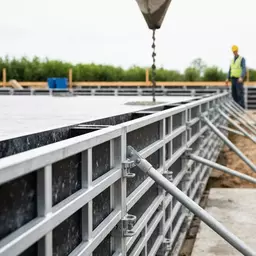
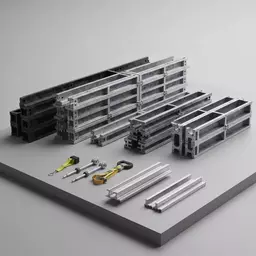
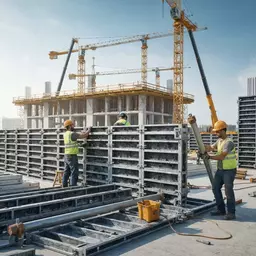
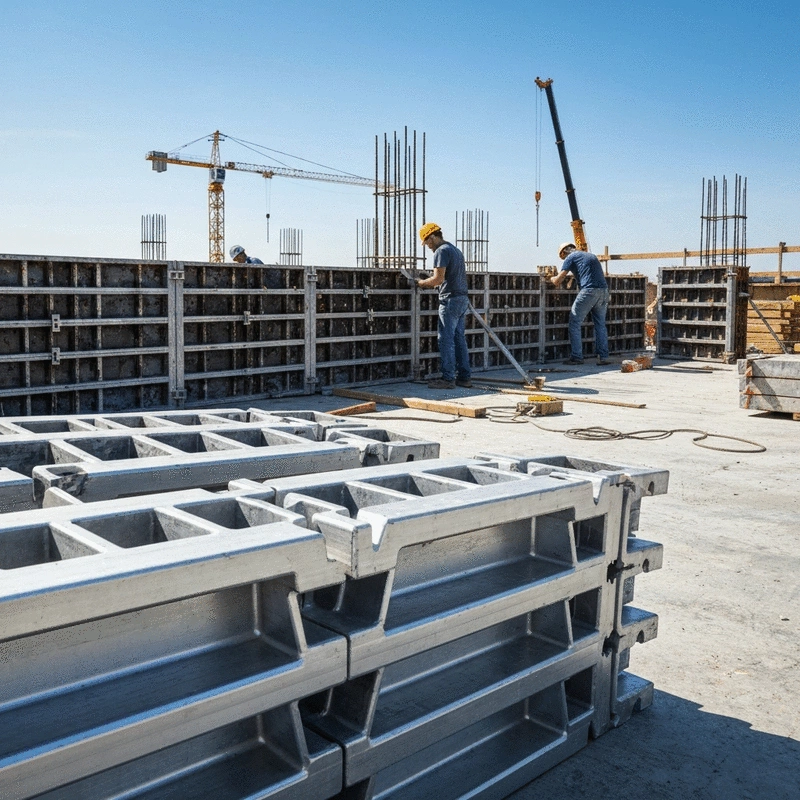
When it comes to modern construction methods, the choice of formwork can greatly impact both project efficiency and costs. I’ve seen firsthand how aluminum formwork outperforms traditional materials like wood and steel in many ways. Not only does it offer significant cost savings over time, but its durability means it can withstand multiple reuse cycles without compromising quality.
One of the standout advantages of aluminum formwork is its resistance to damage and wear. Unlike timber, which can warp and degrade, or steel, which is heavier and often more cumbersome, aluminum remains reliable even after many uses. This means contractors can focus on completing projects smoothly and efficiently, ultimately boosting their bottom line!
With these benefits, it’s clear that investing in aluminum formwork is a wise choice for any contractor looking to enhance their projects.
Investing in durable aluminum formwork is not just about immediate project needs; it’s about planning for the future. The long-term benefits extend beyond the initial purchase, as these systems can be reused numerous times, significantly lowering the overall project costs. In fact, contractors who switch to aluminum often report reductions in both material and labor expenses, as detailed in various studies on sustainable construction materials.
Furthermore, the durability of aluminum means that it can withstand the rigors of construction without the frequent need for replacement. This reliability fosters confidence among project managers regarding timelines and budgets, allowing for smoother project execution.
On average, aluminum formwork can be reused between 200 to 300 cycles, depending on maintenance and handling practices. In comparison, timber formwork typically lasts only about 5 to 10 cycles, while steel can manage around 50 to 100 cycles. This remarkable statistic shows how aluminum can be a game-changer in terms of cost-effectiveness, as highlighted in resources like the Aluminum Formwork Design guide.
By maximizing reuse cycles, contractors can not only save on material costs but also contribute to a more sustainable building practice. Imagine being able to complete multiple projects with the same set of formwork, drastically reducing waste and enhancing your company’s green credentials!
As our industry moves toward more sustainable construction, aluminum formwork plays a pivotal role. Its lightweight nature and the ability to be recycled at the end of its life cycle make it a compelling choice for eco-conscious builders. By reducing the need for new materials and minimizing waste, aluminum formwork aligns perfectly with sustainable building practices, as discussed by experts in aluminum shoring and formwork solutions.
Additionally, using aluminum supports contributes to energy efficiency on-site. Less heavy lifting means reduced fuel consumption for transportation and machinery. As we strive for sustainability, it's essential to consider how our tools and materials can align with these values.
In summary, adopting aluminum formwork is not just a choice for cost efficiency; it's a step toward responsible and sustainable construction practices.
To maximize the benefits of aluminum formwork, ensure that your team is well-trained in its handling and maintenance. Proper care can extend the lifespan of the formwork, allowing for more reuse cycles and greater cost savings on future projects!
A: Aluminum formwork is a modern construction method utilizing aluminum panels to create molds for concrete structures, offering significant advantages over traditional materials like timber and steel.
A: Aluminum formwork can typically be reused between 200 to 300 cycles, far exceeding the lifespan of timber (5-10 cycles) and steel (50-100 cycles).
A: Cost savings primarily come from reduced material expenses due to extensive reuse, lower labor costs from quicker setup and lighter handling, and minimized waste.
A: It contributes to sustainability by minimizing waste through high reusability, being fully recyclable at the end of its life, and reducing energy consumption during transportation and on-site operations due to its lightweight nature.
A: No, aluminum formwork is lightweight, which makes it much easier to handle and transport compared to heavier materials like steel, thus improving project efficiency and reducing logistical costs.
A: Long-term benefits include significant overall project cost reductions, enhanced project timelines due to durability and quick setup, and alignment with future trends in sustainable and modular construction.
When it comes to investing in construction materials, the advantages of aluminum formwork are hard to ignore! Not only does it offer significant cost savings over time, but it also ensures extended reuse cycles thanks to its durability. As I’ve seen in my experience at Concrete Slab Innovations, the longevity and resilience of aluminum systems set them apart from traditional materials like wood and steel.
Consider these key benefits of durable aluminum formwork:
By adopting aluminum formwork, contractors can significantly reduce their overall project costs while contributing positively to environmental sustainability. Isn't it time we shifted our focus towards more innovative solutions?
As we look to the future, it's crucial for construction professionals to evaluate their current formwork strategies. What steps can you take today to harness the benefits of aluminum formwork? By considering the methods discussed so far, you can set your projects on a path towards greater efficiency and sustainability!
For those ready to implement these advancements, I encourage exploring available vendor training programs. These programs provide valuable insights into effectively using aluminum formwork, ensuring your team is equipped with the latest knowledge. Additionally, don’t forget to check out our downloadable resources at Concrete Slab Innovations for more in-depth guidance!
Looking ahead, we can expect to see exciting trends in sustainable construction that will influence the use of aluminum formwork. Concepts such as modular construction and the circular economy are gaining traction, presenting new opportunities for efficiency and resource management. How will your projects adapt to these changes? Embracing these future trends can ensure that your construction practices remain not only relevant but also ahead of the curve!
Here is a quick recap of the important points discussed in the article:
Aidan Cromwell is a seasoned construction professional and industry expert with a passion for innovative building solutions. With extensive experience in concrete slab construction and a deep understanding of modular formwork systems, Aidan strives to educate and empower contractors, engineers, and project managers. His insights are grounded in practical knowledge and a commitment to advancing construction efficiency and safety.