Factors Determining Load-Bearing Capacity
- Material Composition (e.g., 6061 T6 aluminum)
- Structural Design (component arrangement)
- Connection Points (component joining)
Crucial for structural integrity
As we venture into the intricacies of aluminum formwork systems, consider the immense impact that understanding load-bearing capacity can have on construction safety and efficiency. What if you could create a more reliable foundation for your projects by simply applying a few key principles?
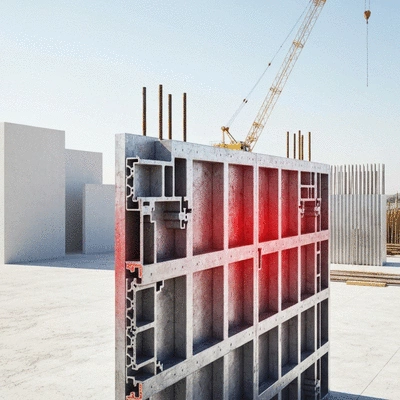
This visual outlines the key factors determining load-bearing capacity and effective enhancement techniques for aluminum formwork systems.
Crucial for structural integrity
Maximizing efficiency & safety
When it comes to aluminum formwork systems, understanding load-bearing capacity is crucial for ensuring structural integrity. The ability of a formwork system to support wet concrete loads without failure hinges on several key factors. These include the material's strength, the design of the structure, and how well these components work together in real-world scenarios. For a deeper understanding of various aluminum formwork applications, you might consult resources on aluminum shoring and formwork systems.
In my experience at Concrete Slab Innovations, I've seen firsthand how critical it is to grasp these fundamentals. By focusing on both material specifications and engineering design, you can create a more effective and reliable formwork solution for your projects.
Several fundamental elements influence the load-bearing capacity of formwork systems. Key factors include:
Understanding these factors allows contractors and engineers to make informed decisions about their formwork systems. For instance, choosing a high-strength aluminum can vastly improve a system's load-bearing capabilities, which can ultimately lead to safer and more efficient construction practices. Further insights into structural performance of aluminum formwork can be found in studies on formwork systems and their components.
Handling wet concrete can present unique challenges during construction. Common issues include stress concentrations that can lead to potential failures in the formwork. Some of these challenges are:
As I’ve learned over the years, recognizing and addressing these challenges early can significantly enhance project outcomes. By anticipating potential failures, we can take proactive steps to ensure that our aluminum formwork systems perform reliably, even under heavy loads.
To maximize the effectiveness of aluminum formwork, there are several enhancement techniques worth exploring. These methods can help improve load-bearing capacity and address some of the challenges we've discussed:
Implementing these strategies can lead to more robust formwork systems that withstand the rigors of construction, thereby enhancing overall project safety and efficiency. If you're keen to learn more about these techniques, let’s dive deeper into each one!
To enhance the load-bearing capacity of your aluminum formwork systems, consider conducting a thorough analysis of your material choices. Using high-strength aluminum alloys like 6061 T6 not only increases durability but also improves safety by reducing the risk of structural failures during the concrete pouring process.
As we wrap up our exploration of load-bearing capacity enhancement techniques for aluminum formwork systems, it’s essential to recap the key methods we've discussed and their impacts. Improving load capacity is not just about using high-quality materials but also about employing strategic design principles. The techniques we've covered can help maximize efficiency and safety in your construction projects.
Here’s a quick overview of the enhancement techniques that stand out:
By integrating these approaches, professionals in the construction industry can achieve higher safety standards and operational efficiency while minimizing the risk of failures during the concrete pouring process. The right techniques can make a significant difference in project outcomes! For more detailed studies on formwork design and safety, you can refer to academic journals, such as articles discussing innovations in construction engineering.
Now that we've outlined various enhancement techniques, I encourage all engineers and construction managers to evaluate their current practices against these strategies. What adjustments can you make to improve load capacity in your projects? Consulting with experts and vendors can provide you with tailored insights and recommendations that suit your specific needs.
Consider asking these questions as you assess your existing methods:
These considerations can help you refine your processes and ensure that your projects not only meet but exceed industry standards! Always remember, consulting with professionals can help you select the right enhancement techniques tailored to your specific projects.
To truly leverage the benefits of load-bearing enhancements, engaging with experts in the field is crucial. Whether it's a vendor consultation or a collaboration with specialized engineers, professional guidance can lead you to the most effective solutions for your unique challenges. Don't hesitate to reach out to those who have a wealth of experience and can provide insights tailored to your needs!
In summary, embracing innovative techniques for enhancing load capacity can greatly improve your construction outcomes. Are you ready to elevate your projects with these strategies? Let’s connect and discuss how Concrete Slab Innovations can help you implement these ideas effectively!
Here is a quick recap of the important points discussed in the article:
Aidan Cromwell is a seasoned construction professional and industry expert with a passion for innovative building solutions. With extensive experience in concrete slab construction and a deep understanding of modular formwork systems, Aidan strives to educate and empower contractors, engineers, and project managers. His insights are grounded in practical knowledge and a commitment to advancing construction efficiency and safety.