Assembly Time
1-2
Days (Aluminum)
3-5
Days (Traditional)
Aluminum formwork drastically cuts setup time.
Have you ever wondered how innovative construction methods can change the way we build? With aluminum formwork, the landscape of construction is evolving rapidly, allowing for unprecedented efficiency and safety in project delivery.
This comparison highlights the significant advantages of aluminum formwork in key construction metrics.
1-2
Days (Aluminum)
3-5
Days (Traditional)
Aluminum formwork drastically cuts setup time.
Smooth, Min. Rework
(Aluminum)
Varied, Often Needs Finishing
(Traditional)
Aluminum offers superior concrete surface quality.
Reusable for Multiple Projects
(Aluminum)
Single-Use, Less Durable
(Traditional)
Aluminum provides long-term investment value.
25%
Reduction observed in high-rise projects with aluminum formwork.
In the rapidly evolving world of construction, load engineering plays a pivotal role in enhancing efficiency and safety. At Concrete Slab Innovations, we’ve seen firsthand how implementing aluminum formwork can transform the way projects are managed and executed. Let's dive into how aluminum formwork, combined with strategic load engineering, can significantly impact construction processes.
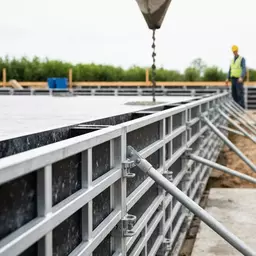
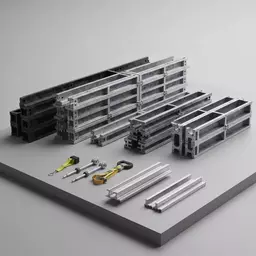
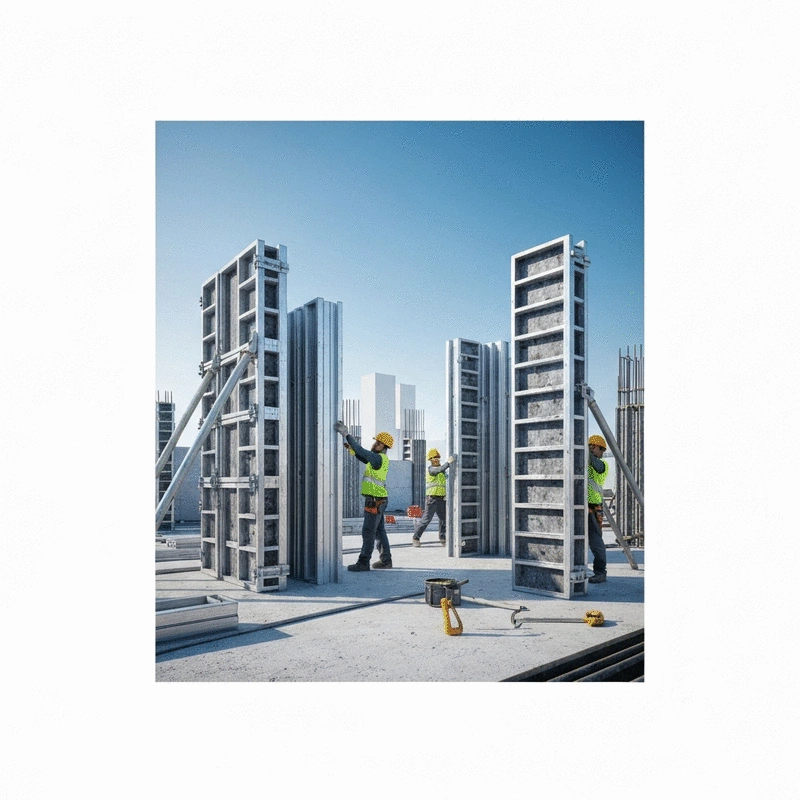
Aluminum formwork is a modern construction method that utilizes lightweight aluminum panels to create the mold for concrete pouring. This innovative approach allows for faster assembly and disassembly compared to traditional wooden forms. At Concrete Slab Innovations, we advocate for aluminum systems because they provide a robust solution that ensures high-load support while minimizing labor efforts on-site. For more in-depth information, you can refer to this resource on aluminum wall forms.
These systems are designed to be both reusable and durable, making them a long-term investment. Imagine being able to use the same formwork for multiple projects! That's right—less waste and more efficiency throughout your construction timeline.
With these benefits, it’s clear why many contractors are making the switch to aluminum formwork. It's not just about improving workflow; it’s about redefining how we approach construction challenges.
One of the most impressive features of aluminum formwork is its ability to facilitate rapid floor cycles—often in just 4 to 7 days! This is a game-changer for project timelines and overall productivity. With reduced setup and strike times, contractors can move on to the next phases of construction much quicker.
The lightweight nature of aluminum means that fewer workers are needed for assembly, allowing teams to focus on other critical tasks. Imagine seeing your projects completed weeks ahead of schedule! Isn’t that a dream for any project manager?
These case studies illustrate not just theoretical benefits but real-world applications and outcomes. As you consider aluminum formwork, think about the potential time and cost savings for your projects!
Load engineering is essential for ensuring that structures can handle the anticipated weight and stress throughout their lifespan. Without effective load engineering practices, projects may face delays and costly redesigns. In the world of concrete slab construction, understanding load distribution is vital to achieving optimal results.
By integrating load engineering with aluminum formwork, we can enhance construction efficiency while ensuring safety and durability. This combination allows us to tackle complex projects with confidence and precision.
Implementing these strategies not only streamlines the construction process but also aligns with our mission at Concrete Slab Innovations to promote safety and quality across all projects.
Predictive modeling is revolutionizing how we approach load engineering. By using data analytics and simulations, we can forecast potential challenges and optimize load distribution before any concrete is poured. This proactive approach allows us to mitigate risks and streamline workflows, enhancing overall project efficiency. For further reading on this topic, you can explore this scholarly article on predictive modeling in construction.
Incorporating these technologies means we can address issues before they arise, saving time and costly adjustments down the line. Wouldn’t you want to eliminate surprises and keep your projects on track?
Building Information Modeling (BIM) plays a significant role in modern construction practices, and its integration with load engineering is no exception. BIM allows for thorough visualization and coordination among all stakeholders, ensuring that everyone is on the same page regarding load requirements and project specifications.
At Concrete Slab Innovations, we embrace BIM to enhance our project outcomes. This technology not only fosters communication but also helps in identifying potential design flaws early, ultimately leading to greater efficiency and safety on-site.
A: Aluminum formwork is a construction method that uses lightweight aluminum panels to create molds for concrete pouring, enabling faster assembly and disassembly compared to traditional methods.
A: Its lightweight nature and efficient design allow for rapid assembly and disassembly, facilitating floor cycles of just 4-7 days, which significantly shortens overall project schedules.
A: Aluminum formwork is reusable across multiple projects, leading to substantial savings on materials and reduced labor costs due to its streamlined assembly process.
A: Load engineering ensures that structures can handle anticipated weight and stress, preventing failures and enhancing overall safety. When combined with aluminum formwork, it optimizes structural integrity.
A: Yes, it is highly sustainable due to its reusability, recyclability, and lightweight design, which reduces transportation costs and overall material waste, thus lowering the carbon footprint of construction projects.
One of the most appealing aspects of aluminum formwork is its reusability. This feature allows for significant cost savings over time. Projects can reuse the same formwork across various builds, reducing both material waste and expenses. At Concrete Slab Innovations, we understand the importance of maximizing every dollar spent, and aluminum formwork offers a practical solution.
By investing in durable aluminum systems, you're not just saving money; you're also paving the way for more sustainable construction practices.
These factors combine to create an environment where labor costs are minimized without sacrificing quality or safety. That’s a win-win for any project manager!
To maximize savings with aluminum formwork, consider implementing a few cost reduction techniques. Here are some effective strategies:
With these techniques, you can enhance your project's financial performance while maintaining high standards of quality and safety.
Aluminum formwork offers unparalleled precision, ensuring smooth finishes that often eliminate the need for rework. This improves overall project timelines and enhances client satisfaction. At Concrete Slab Innovations, we emphasize quality assurance as a critical component of our construction process.
With fewer defects and more consistency, your team can focus on what truly matters—delivering high-quality results.
| Feature | Aluminum Formwork | Traditional Methods |
|---|---|---|
| Assembly Time | Fast (1-2 days) | Slow (3-5 days) |
| Finish Quality | Smooth, minimal rework | Varied, often requires finishing |
| Durability | Reusable for multiple projects | Single-use, less durable |
This comparison clearly showcases the advantages of aluminum formwork over traditional systems. As we continue to innovate, it’s vital to recognize the tangible benefits that aluminum can offer.
Implementing quality assurance measures is essential for any construction project, and with aluminum formwork, we can set rigorous standards from the outset. Regular inspections, adherence to industry best practices, and employee training all contribute to maintaining high-quality outcomes.
At Concrete Slab Innovations, we pride ourselves on our commitment to quality. By focusing on precision and efficiency, we aim to elevate the standards of concrete slab construction.
What factors do you consider most important when deciding whether to use aluminum formwork for your projects? Share your thoughts below:
At Concrete Slab Innovations, we believe that sustainability is not just a trend—it's a necessity for the future of construction. Utilizing aluminum formwork is one of the most effective ways to contribute to environmentally friendly practices in our industry. The lightweight nature and recyclability of aluminum make it a standout choice for modern construction projects.
By adopting aluminum formwork systems, you’re not only enhancing efficiency but also reducing your project's carbon footprint. Imagine cutting down on waste while improving the overall quality of your builds! It’s a win-win situation that aligns with our mission to promote economic sustainability in building practices.
So, what makes aluminum formwork a sustainable choice? Let's dive into the key benefits:
These benefits not only support your goals for sustainability but also foster an environment where efficiency and quality thrive. Just think about how adopting aluminum formwork can reshape your project management strategy!
When we assess the environmental impact of aluminum formwork, it’s essential to consider several factors:
By evaluating these aspects, we can see how aluminum formwork not only benefits individual projects but also plays a crucial role in the greater picture of environmental sustainability.
Now that we understand the benefits of aluminum formwork, the next question is: is it the right fit for your project? Concrete Slab Innovations has seen many different applications of aluminum formwork, from high-rises to fast-track builds. But each project comes with its own unique requirements.
To help you determine suitability, consider these factors:
By evaluating these factors, you can make an informed decision that enhances not only your project's efficiency but also its overall success!
These case studies illustrate the tangible benefits of using aluminum formwork for various construction types, reinforcing its role as a forward-thinking solution in our industry.
When considering the integration of aluminum formwork, project management plays a critical role. Here are some factors to keep in mind:
By weighing these factors, you can enhance your decision-making process and optimize project outcomes. Remember, at Concrete Slab Innovations, we’re here to support you every step of the way!
In summary, the integration of aluminum formwork and effective load engineering can significantly enhance construction efficiency. With its sustainability benefits, time savings, and quality assurance, aluminum formwork represents a powerful tool for modern construction professionals.
Are you ready to transform your construction practices? Concrete Slab Innovations invites you to explore our resources and case studies to see how aluminum formwork can elevate your projects. Let’s work together to build a sustainable future!
The future of construction is bright with ongoing advancements in technology and engineering practices. Staying informed and adaptable will position you at the forefront of these changes, ensuring that your projects not only meet today's standards but exceed tomorrow's expectations.
Here is a quick recap of the important points discussed in the article:
Aidan Cromwell is a seasoned construction professional and industry expert with a passion for innovative building solutions. With extensive experience in concrete slab construction and a deep understanding of modular formwork systems, Aidan strives to educate and empower contractors, engineers, and project managers. His insights are grounded in practical knowledge and a commitment to advancing construction efficiency and safety.