What if your next construction project could be more efficient and cost-effective? Understanding the fundamentals of two-way concrete slabs can transform your approach to building. These systems not only enhance structural integrity but also offer unparalleled versatility, making them a smart choice for various applications.
What You Will Learn
Two-way concrete slabs distribute loads efficiently in both directions, making them ideal for larger structures.
These slabs improve structural stability and resilience, reducing the risk of localized failure.
Beam-supported two-way slabs allow for greater design flexibility and reduced column interference in commercial buildings.
Flat slabs provide aesthetic benefits and simplified construction, making them suitable for modern residential designs.
Waffle slabs optimize load-bearing capacity while minimizing material usage, making them cost-effective for industrial applications.
Incorporating drop panels and mushroom capitals enhances load distribution and overall slab performance under heavy loads.
Two-Way Concrete Slabs: Key Types and Features
This visual summarizes the key types of two-way concrete slabs, highlighting their design, advantages, and typical applications.
What is a Two-Way Concrete Slab?
Supports loads in both directions. Length-to-width ratio less than 2:1. Efficient load distribution for heavier loads, ideal for larger structures like high-rise buildings.
Enhanced structural performance
Versatile applications
Increased safety
Beam-Supported Slabs
Rely on beams for support, allowing larger spans and reduced column interference. Commonly used in multi-story buildings.
Advantages: Greater design flexibility.
Load Distribution: Enhanced due to beams.
Applications: Multi-story, parking garages.
Flat Slabs
Lack beams, providing a smooth ceiling. Flexible wall placement, ideal for modern residential designs.
Unique grid-pattern design with excellent strength-to-weight ratios. Great for large spans in industrial buildings.
Structural Efficiency: Reduces material usage.
Thermal Performance: Enhanced insulation.
Versatility: Commercial to educational.
Drop Panels & Mushroom Capitals
Thickened areas or extended column supports to enhance load distribution and reduce deflection.
Load Management: Effective load transfer.
Reduced Deflection: Improves durability.
Structural Integrity: Enhanced performance.
Understanding Two-Way Concrete Slabs: Definition and Key Concepts
When it comes to concrete construction, understanding the fundamentals is essential. One of the most prevalent systems used is the two-way concrete slab. These slabs offer exceptional strength and versatility, making them a go-to choice for a variety of building types. But what exactly defines a two-way concrete slab? Let’s dive in!
What is a Two-Way Concrete Slab?
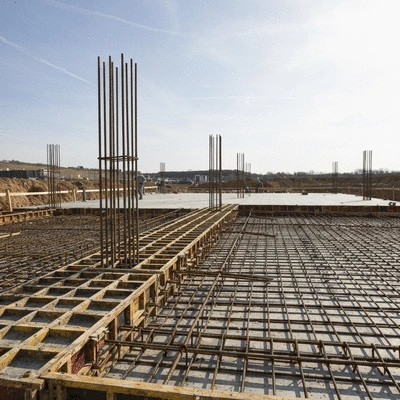
A two-way concrete slab is designed to support loads in both directions, which differentiates it from one-way slabs that only span one direction. This capability allows for efficient load distribution across the structure. Typically, two-way slabs are used in situations where the length-to-width ratio is less than 2:1. This means they can effectively manage heavier loads, making them ideal for larger structures. For a comprehensive overview of design principles, refer to the ACI 421.3R-15 guide on two-way slabs.
Enhanced structural performance
Versatile applications across various building types
Increased safety due to balanced load distribution
For instance, I often see these slabs implemented in high-rise buildings and commercial properties. Their robust nature allows for an open floor plan, as the support can be distributed more evenly, avoiding the need for extensive columns.
The Structural Functionality of Two-Way Slabs
The functionality of two-way slabs goes beyond simple load support. They play a significant role in the overall stability of a structure. By distributing loads evenly, they minimize the risk of failure due to localized stresses. In my experience with concrete slab construction, I find that two-way slabs significantly enhance the resilience of a structure against various forces, including seismic activity. More detailed information on the design and detailing of two-way concrete floor slabs with beams can be found at StructurePoint.
Supports larger spans without intermediate supports
Improves overall stability and resilience
Allows for flexible architectural designs
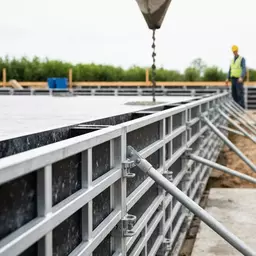
Additionally, two-way slabs can reduce material costs by optimizing the use of concrete and reinforcement materials. When paired with innovative systems like aluminum formwork, as we promote at Concrete Slab Innovations, the efficiency of slab pouring can be further enhanced!
The Importance of Load-Bearing in Two-Way Slabs
Load-bearing is a critical aspect of any concrete structure, and two-way slabs excel in this area. They can effectively bear and distribute both live loads (like occupants and furniture) and dead loads (the weight of the slab itself and other permanent fixtures). This dual capability ensures structural integrity over time, which is essential for long-lasting buildings.
Effective load distribution reduces stress concentration
Improves longevity of the overall structure
Enhances safety by preventing structural failure
In my projects, I’ve seen firsthand how two-way slabs can accommodate varying load conditions while maintaining safety and stability. This characteristic allows contractors to design flexible spaces, tailored to different usage needs, without compromising on safety. For further reading on concrete slab design, including floors and slabs-on-ground, the USDA Design Guide provides valuable insights.
We Want to Hear From You!
How do you perceive the advantages of two-way concrete slabs in your projects? Share your thoughts below:
Diving into Types of Two-Way Slabs: Variants Explained
When it comes to selecting the right type of two-way concrete slab for your project, understanding the available variants is crucial. Each type brings unique characteristics and advantages that can significantly impact structural efficiency and cost-effectiveness. At Concrete Slab Innovations, we emphasize the importance of choosing the right slab system tailored to your specific construction needs.
Let’s explore the main types of two-way slabs that are commonly used in construction. By knowing their features, you can make informed decisions that enhance the overall performance of your projects.
Beam-Supported Two-Way Slabs
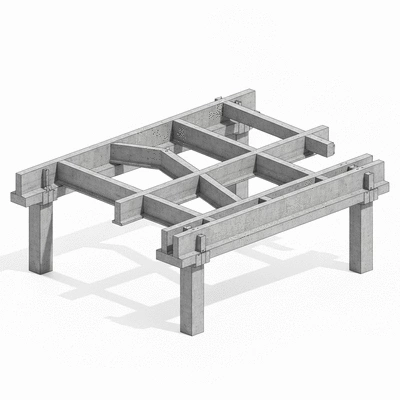
Beam-supported two-way slabs are a popular choice, especially in larger buildings. These slabs rely on beams for support, allowing for larger spans and reducing the need for additional columns. This can lead to an open and flexible space, which is often desirable in commercial settings.
Advantages: Greater design flexibility and reduced column interference.
Load Distribution: Enhanced load distribution due to the presence of beams.
Applications: Commonly used in multi-story buildings and parking garages.
By incorporating beam-supported slabs, project managers can optimize space while maintaining structural integrity. This is especially beneficial in high-traffic areas where open layouts are valued!
Exploring Flat Slabs and Their Characteristics
Flat slabs are characterized by their lack of beams, providing a smooth ceiling surface. This type allows for flexibility in the placement of walls and other structural elements, making them a go-to for modern designs. They are particularly effective in residential buildings, where aesthetics and space utilization are priorities.
Design Benefits: Simplified construction and less formwork required.
Cost-Effectiveness: Potentially lower labor and material costs.
Aesthetic Appeal: Clean lines and unobstructed views in the interior space.
Flat slabs exemplify how thoughtful design can lead to both functional and visually appealing spaces. Have you considered how this might transform your next residential project?
A Look at Waffle Slabs: Design and Benefits
Waffle slabs have gained popularity for their unique grid-pattern design, which provides excellent strength-to-weight ratios. This variant is especially useful for large spans, making it a fantastic option for industrial buildings and warehouses.
Structural Efficiency: Reduces material usage without compromising load-bearing capacity.
Thermal Performance: Enhanced thermal insulation properties due to the air pockets in the grid.
Versatility: Suitable for a variety of applications, from commercial to educational buildings.
Waffle slabs demonstrate how innovative design can enhance functionality while providing significant cost savings. The structural benefits can be a game changer in large-scale projects, ensuring that resources are used wisely!
Drop Panels and Mushroom Capitals: Enhancing Load Distribution
Drop panels and mushroom capitals are two design features that enhance the load distribution of two-way slabs. Drop panels are thickened areas near the columns, while mushroom capitals extend beyond the column, creating a broader support area.
Load Management: Effectively transfer loads to the columns beneath.
Reduced Deflection: Minimize the risk of slab deflection, improving durability.
Structural Integrity: Enhance overall slab performance under heavy loads.
Incorporating these features helps to elevate the reliability of your concrete systems. As we’ve seen in various projects, the right additions can make all the difference in maintaining safety and integrity!
Recap of Key Points
Two-way concrete slabs efficiently support loads in both directions, providing enhanced structural performance.
These slabs improve stability and resilience, making them ideal for large structures and flexible architectural designs.
Load-bearing capabilities of two-way slabs ensure structural integrity over time by effectively distributing both live and dead loads.
Different types of two-way slabs, such as beam-supported, flat, and waffle slabs, offer unique benefits tailored to specific construction needs.
Incorporating design features like drop panels and mushroom capitals enhances load distribution and overall slab performance.
Frequently Asked Questions About Two-Way Concrete Slabs
What is the primary difference between one-way and two-way concrete slabs?
The primary difference lies in how they distribute loads. One-way slabs distribute loads in a single direction, typically when the length-to-width ratio is 2:1 or greater. Two-way slabs, however, distribute loads in both directions when the length-to-width ratio is less than 2:1, allowing them to handle heavier loads more efficiently over larger areas.
What are the main advantages of using two-way concrete slabs in construction?
Two-way concrete slabs offer several advantages, including enhanced structural performance, efficient load distribution, improved stability and resilience against various forces (like seismic activity), and greater design flexibility due to reduced need for intermediate supports or columns.
When are beam-supported two-way slabs typically used?
Beam-supported two-way slabs are commonly used in multi-story buildings and parking garages. They are ideal when larger spans are required, and designers want to minimize the number of columns to create more open and flexible spaces.
What are the benefits of flat slabs, and in which applications are they most suitable?
Flat slabs offer aesthetic benefits, simplified construction, and potentially lower labor and material costs due to the absence of beams. They provide a smooth ceiling surface and allow for flexible wall placement, making them highly suitable for modern residential designs and spaces where clean lines and unobstructed views are desired.
How do waffle slabs contribute to structural efficiency and cost-effectiveness?
Waffle slabs, with their unique grid-pattern design, provide excellent strength-to-weight ratios. This design reduces material usage while maintaining high load-bearing capacity, leading to structural efficiency and cost savings. Their air pockets also offer enhanced thermal insulation. They are great for large spans in industrial and commercial buildings.
What is the purpose of drop panels and mushroom capitals in two-way slabs?
Drop panels and mushroom capitals are design features used to enhance the load distribution and structural integrity of two-way slabs, especially under heavy loads. Drop panels are thickened areas near columns, while mushroom capitals are extended column supports. Both help effectively transfer loads to columns and reduce slab deflection, thereby improving durability and overall performance.
Aidan Cromwell
Aidan Cromwell is a seasoned construction professional and industry expert with a passion for innovative building solutions. With extensive experience in concrete slab construction and a deep understanding of modular formwork systems, Aidan strives to educate and empower contractors, engineers, and project managers. His insights are grounded in practical knowledge and a commitment to advancing construction efficiency and safety.
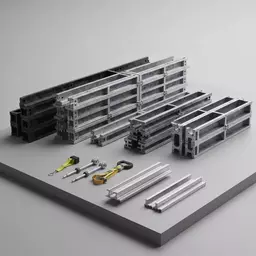
Concrete Slab Innovations is dedicated to advancing concrete slab construction through innovative aluminum formwork systems. Our mission is to provide contractors, engineers, and project managers with cutting-edge methods for safe and precise slab support.
Optimize your concrete slab projects by integrating modular aluminum formwork. Its lightweight design significantly cuts down on labor and setup time!
Enhance project efficiency by understanding the high-load capacity of modern aluminum systems. This ensures structural integrity and faster pour cycles!
Reduce material costs and waste by choosing reusable aluminum formwork. A sustainable choice that also boosts your bottom line!
Prioritize job site safety with robust aluminum formwork. Its stable design minimizes risks during the critical concrete pouring phase.
Streamline your project timelines. Modular aluminum formwork allows for quicker assembly and dismantling, speeding up overall construction.
Achieve consistent slab quality through precise formwork alignment. High-quality systems ensure accurate dimensions and a superior finish.
Educate your team on the benefits of innovative formwork. A knowledgeable crew is crucial for maximizing efficiency and safety.
Explore case studies of successful projects utilizing advanced formwork. Learn from real-world applications to inform your next build.
Consider the long-term economic advantages of investing in quality formwork systems. Durability means less replacement and better ROI.
Implement rigorous quality control checks during formwork setup. Precision at this stage prevents costly rework later.
Stay updated on the latest advancements in concrete technology and formwork. Continuous learning keeps your projects cutting-edge.
Consult with formwork specialists to tailor solutions to your specific project needs. Custom approaches yield optimized results.
Document your formwork processes for consistency and training. Standardized procedures improve efficiency and reduce errors.
Regular maintenance of your formwork equipment extends its lifespan and ensures reliable performance on every job.
Ready to elevate your concrete slab projects? Dive into our resources to discover how innovative formwork can transform your construction practices!