Quality Control for Aluminum Supports

Quality Control for Aluminum Supports

Investing in quality control can be the difference between project success and costly mistakes. How can adopting rigorous practices protect your construction investments and enhance safety?

What You Will Learn

  • Quality control is essential for compliance with safety regulations and reducing structural failure risks.
  • Implementing thorough inspection procedures ensures material integrity and meets industry standards.
  • Regular training and certification enhance team skills and commitment to quality management systems.
  • Utilizing data analytics can track quality metrics, fostering continuous improvement in processes.

Quality Control in Aluminum Slab Support Systems

This visual outlines the critical aspects and best practices for maintaining high quality in aluminum slab support systems, ensuring structural integrity and project success.

Importance of Quality Control

  • ✓ Ensures safety regulations
  • ✓ Reduces structural risks
  • ✓ Enhances efficiency

Key Inspection Procedures

  • ● Visual inspections
  • ● Dimensional checks
  • ● Material tests

Best Practices for Quality

  • ● Robust QC plan
  • ● Regular team training
  • ● Data analytics & feedback

Benefits of QC Investment

  • ✓ Enhanced on-site safety
  • ✓ Improved cost efficiency
  • ✓ Boosts client satisfaction

Steps for a QC Checklist

  • ✓ Identify key areas
  • ✓ Develop specific criteria
  • ✓ Incorporate routine audits

Continuous Improvement & Expert Engagement

  • ✓ Regular review meetings
  • ✓ Promote open communication
  • ✓ Involve external experts

Understanding Quality Control in Aluminum Slab Support Systems

When we talk about quality control in aluminum slab support systems, it’s essential to grasp its significance in construction. Quality control ensures that the materials and processes used meet the required standards, ultimately leading to safer and more durable structures. At Concrete Slab Innovations, we believe that quality control is not just a checkbox; it’s a vital part of delivering successful projects that stand the test of time.

Why is quality control so crucial, especially in aluminum construction? Well, failure to adhere to quality standards can lead to compromised structural integrity, increased costs, and delays. In my experience, investing in rigorous quality control practices not only saves time and money but also enhances the overall safety of the project. For further insights into the importance of material selection and quality in preventing failures, you can refer to research on aluminum material properties and failure modes.

Importance of Quality Control in Aluminum Construction

  • Ensures compliance with safety regulations
  • Reduces risk of structural failures
  • Enhances project efficiency and reduces waste
  • Improves overall quality of the final product

Each of these points emphasizes that quality control is foundational to the success of any construction project. By implementing robust quality checks, we can catch potential issues before they escalate, allowing for timely interventions that protect both the project and the workers involved.

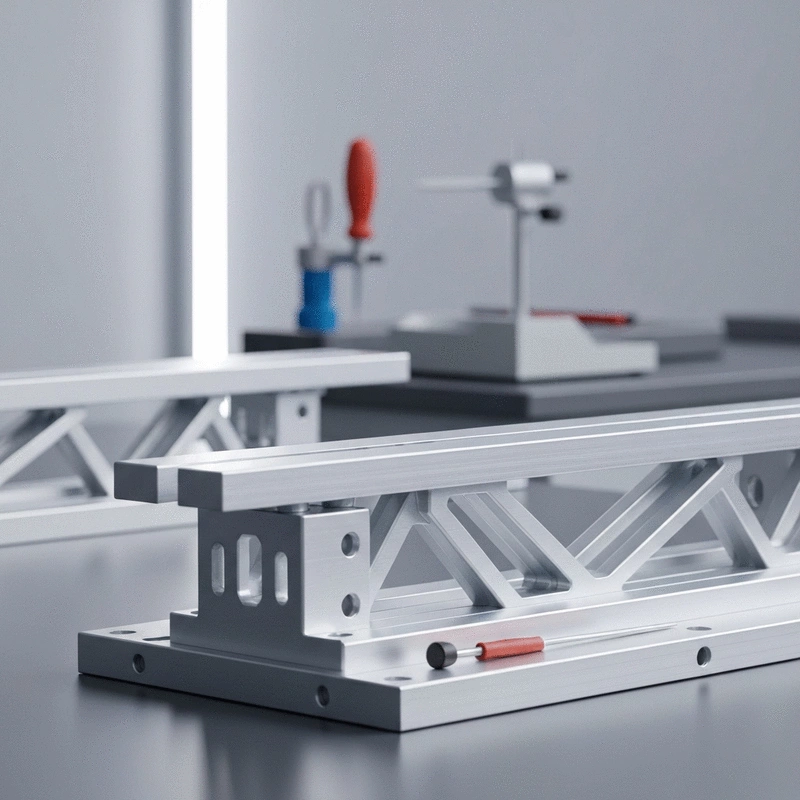
Engineer inspecting aluminum slab support system on construction site

Defining Aluminum Slab Support Systems and Their Applications

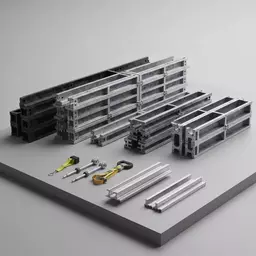
Aluminum slab support systems are modular solutions designed to provide temporary or permanent support during concrete pouring. These systems are favored for their lightweight nature and high-load capacity, making them ideal for various applications, including high-rise buildings and commercial structures. At Concrete Slab Innovations, we specialize in these systems, ensuring that they meet the rigorous demands of modern construction. Understanding the nuances of aluminum usage, including the importance of sustainable practices in the aluminum industry, contributes to overall project quality and environmental responsibility.

The versatility of aluminum slab support systems allows them to be adapted for different project sizes and types. Whether it’s a small residential build or a large commercial site, these systems can provide the reliability needed for successful outcomes. Understanding these applications is key to maximizing the benefits of aluminum solutions in your projects.

Inspection Procedures for Quality Assurance

To ensure the integrity of aluminum slab support systems, we follow a set of rigorous inspection procedures. These procedures help us identify any potential issues early on, ensuring that the materials used are up to par before installation. Some key inspection steps include:

  • Visual inspections for surface integrity
  • Dimensional checks to ensure accuracy
  • Material tests to confirm specifications

By adhering to these inspection protocols, we can confidently guarantee that our aluminum systems will meet the high standards expected in the construction industry. It’s all about creating a culture of quality and accountability that benefits everyone involved in the project. For more information on maintaining quality in aluminum components, including the role of quality control in aluminum castings, it's beneficial to consult industry-specific resources.

We Want to Hear From You!

What do you think about the role of quality control in construction? Share your thoughts below:

Frequently Asked Questions About Quality Control in Aluminum Slab Support Systems

Here are some common questions regarding quality control in aluminum slab support systems:

Q: Why is quality control essential for aluminum slab support systems?
A: Quality control ensures compliance with safety regulations, reduces the risk of structural failures, enhances project efficiency, and improves the overall quality and durability of structures built using these systems.
Q: What are the key inspection procedures for aluminum slab support systems?
A: Key inspection procedures include visual inspections for surface integrity, dimensional checks to ensure accuracy, and material tests to confirm specifications and ensure materials meet required standards.
Q: How can training and certification contribute to better quality management?
A: Regular training and certification programs keep teams updated on the latest industry standards and technologies, fostering a culture of expertise and commitment to quality, which ultimately enhances the overall quality management system.
Q: What are the primary benefits of investing in quality control for construction projects?
A: Investing in quality control leads to enhanced on-site safety, improved cost efficiency by reducing waste and rework, increased client satisfaction through high-quality deliverables, and a stronger competitive edge in the construction market.
Q: What are the steps to implement a comprehensive QC checklist?
A: Steps include identifying key quality control areas (raw materials, fabrication, installation), developing specific measurable criteria for each area, incorporating routine audits for adherence, and soliciting team feedback for continuous refinement.

Summarizing Best Practices for Quality Control Checks

At Concrete Slab Innovations, I believe that maintaining high quality in aluminum slab support systems is essential for project success. Implementing effective quality control (QC) checks can significantly reduce risks associated with structural failures and ensure longevity in construction projects. Here are some key takeaways to keep in mind:

  • Prioritize rigorous material verification processes to ensure that only the best aluminum alloys are used.
  • Conduct thorough in-process inspections using tools like CMMs and micrometers to maintain dimensional accuracy.
  • Implement a comprehensive testing regime, including mechanical testing and non-destructive testing (NDT), to validate the integrity of your supports.
  • Stay updated with regulatory standards and best practices to ensure compliance and safety.

By focusing on these areas, you can enhance the quality of your aluminum slab support systems and ultimately improve the safety and performance of your projects!

Construction workers reviewing a QC checklist on a tablet

Key Takeaways for Maintaining Quality in Aluminum Slab Support Systems

As we delve deeper into quality control, it’s vital to remember that quality assurance is not merely a checklist but a mindset that permeates the entire construction process. Here are some of the best practices I've seen yield outstanding results:

  • Establish a robust QC plan that incorporates every phase of the construction process.
  • Engage your team in regular training sessions to keep them informed of the latest standards and technologies in aluminum formwork.
  • Utilize data analytics to track and analyze quality metrics over time, identifying trends and areas for improvement.
  • Foster a culture of accountability where every team member understands their role in achieving quality outcomes.

By integrating these practices, you’ll not only improve project outcomes but also build a reputation for excellence in your field!

Why Investing in Quality Control is Essential for Project Success

Investing in quality control can be a game-changer for any construction project involving aluminum slab support systems. Have you ever noticed how a small oversight can lead to significant issues down the line? This is why a proactive approach to QC is crucial. Here are just a few reasons:

  • Enhances safety on-site by minimizing risks associated with structural failures.
  • Improves cost efficiency by reducing waste and rework.
  • Boosts client satisfaction by delivering projects that meet or exceed expectations.
  • Strengthens your competitive edge in the construction market.

When you invest in quality control, you’re not just protecting your project; you’re also investing in your business’s future!

Training and Certification for Quality Management Systems

Training and certification are pivotal for maintaining high standards in quality management systems. At Concrete Slab Innovations, I’ve seen firsthand how regular training can keep teams aligned with industry best practices. Here’s how you can enhance your team’s skills:

  • Implement regular workshops focusing on the latest advancements in aluminum formwork and quality management.
  • Encourage certification programs to ensure that team members are recognized as experts in quality control.
  • Foster partnerships with industry organizations that provide resources and training opportunities.

By prioritizing training and certification, you not only enhance your team’s capabilities but also cultivate a culture that values quality and excellence!

Call to Action: Enhancing Your Quality Control Practices

Are you ready to take your quality control practices to the next level? Enhancing your approach doesn’t have to be overwhelming! Here are some straightforward steps to get started:

Steps to Implementing a Comprehensive QC Checklist

Creating a comprehensive QC checklist is an excellent way to streamline your quality control processes. Here’s a simple outline you can follow:

  • Identify key areas where quality control is essential, including raw materials, fabrication, and installation.
  • Develop specific criteria for each area that can be easily measured and tracked.
  • Incorporate routine audits to ensure adherence to the checklist and identify areas for improvement.
  • Solicit feedback from your team to continually refine and improve the checklist.

By following these steps, you can create a QC checklist that serves as a valuable tool for maintaining quality throughout your projects!

Encouraging Continuous Improvement and Expert Engagement

Continuous improvement is vital in any industry, especially in construction. Embracing a mindset of ongoing evaluation and adaptation can lead to remarkable advancements in quality. Here are ways you can foster continuous improvement:

  • Establish regular review meetings to discuss quality metrics and challenges.
  • Promote open communication channels where team members can share insights and suggestions.
  • Involve external experts when necessary to provide fresh perspectives on your quality control processes.

Engaging in continuous improvement not only enhances your quality control practices but also positions your business as a leader in the industry. Let’s work together to elevate the standards of aluminum slab support systems!

Recap of Key Points

Here is a quick recap of the important points discussed in the article:

  • Quality control is essential for ensuring safety and durability in aluminum slab support systems.
  • Implement rigorous inspection procedures to catch potential issues early.
  • Prioritize training and certification to maintain high standards in quality management.
  • Investing in quality control enhances safety, reduces costs, and boosts client satisfaction.
  • Establish a culture of accountability and continuous improvement within your team.
About !author

Aidan Cromwell

Aidan Cromwell is a seasoned construction professional and industry expert with a passion for innovative building solutions. With extensive experience in concrete slab construction and a deep understanding of modular formwork systems, Aidan strives to educate and empower contractors, engineers, and project managers. His insights are grounded in practical knowledge and a commitment to advancing construction efficiency and safety.


Popular Posts

Aluminum Formwork in Affordable Housing Aluminum Formwork in Affordable Housing What if the future of affordable housing could be built in weeks instead of months? With innovative
Quality Control for Aluminum Supports Quality Control for Aluminum Supports Investing in quality control can be the difference between project success and costly mistakes. How
Improving Aluminum Formwork with BIM Improving Aluminum Formwork with BIM As the construction industry rapidly evolves, the integration of digital tools and Building Informat
Customized Aluminum Formwork for Capacity Customized Aluminum Formwork for Capacity Have you ever considered the critical role that load capacity plays in the success of your construct