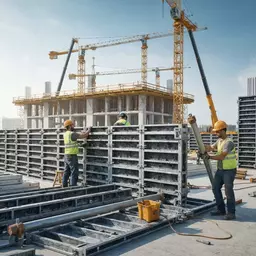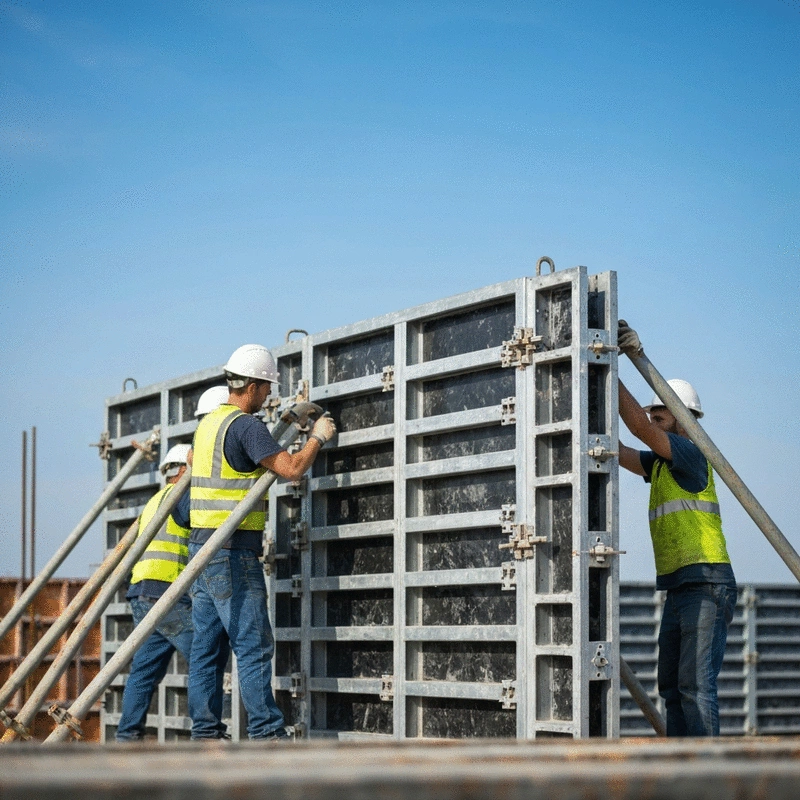
Aluminum Formwork
- ✓Lightweight: Easier transport & handling.
- ✓Rapid Setup: Quicker assembly & disassembly.
- ✓High Efficiency: Reduced labor & material waste.
- ✓Long-lasting: High durability & reusability.
This comparison highlights the striking differences between aluminum and traditional formwork systems, focusing on key features that impact efficiency and project quality.
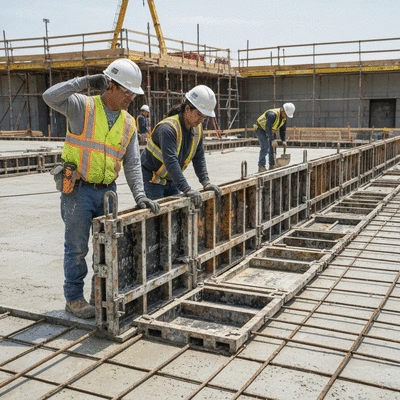
When it comes to maximizing efficiency in concrete slab construction, understanding the role of aluminum formwork is crucial. At Concrete Slab Innovations, we've witnessed firsthand how these systems can streamline the entire building process. Aluminum formwork is lightweight, easy to handle, and significantly reduces labor costs, making it a fantastic alternative to traditional methods.
In recent years, the construction industry has increasingly adopted aluminum formwork systems for various applications, ranging from residential to commercial projects. This shift highlights not only the benefits but also the necessity of modernizing techniques to keep up with evolving standards and client expectations. For a deeper understanding of formwork and its role in construction, you can consult resources such as the Federal Highway Administration's publication on Formwork for Concrete Structures.
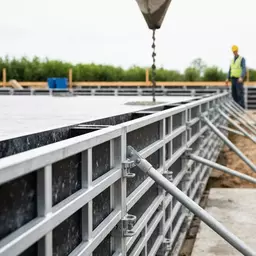
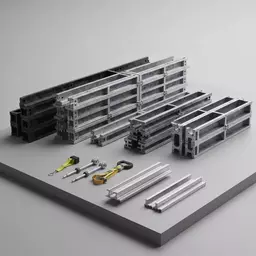
So, what makes aluminum formwork such a game-changer? First, these systems offer flexibility in design, allowing for a wide range of architectural aesthetics while maintaining structural integrity. They can be reused for multiple projects, which is not only cost-effective but also promotes sustainability in construction.
These benefits contribute to a more streamlined workflow on construction sites, which is essential as project timelines continue to tighten. My experience in the industry shows that teams who adopt aluminum formwork often see improved project outcomes and satisfaction from clients.
Switching to aluminum formwork from conventional methods offers several key advantages. These include:
Implementing aluminum formwork not only enhances construction speed but also aligns with our mission at Concrete Slab Innovations to promote sustainability and efficiency in building practices. For best practices in construction safety, including formwork, the International Labour Organization provides comprehensive information. It’s exciting to see how these systems can transform a project from the ground up!
When comparing aluminum formwork to traditional concrete formwork, the differences are striking. Traditional systems often require extensive manpower and time for setup, while aluminum systems can be assembled quickly and efficiently. Here’s a quick comparison:
| Feature | Aluminum Formwork | Traditional Formwork |
|---|---|---|
| Weight | Lightweight | Heavy |
| Setup Time | Rapid | Lengthy |
| Cost Efficiency | High | Moderate to Low |
| Durability | Long-lasting | Variable |
This comparison highlights how transitioning to aluminum formwork not only improves efficiency but also enhances overall project quality. I encourage anyone in the construction sector to consider these innovative systems for their next project—it's a step towards modernizing our industry!
To further enhance your efficiency with aluminum formwork, consider investing in training sessions for your team. Knowledgeable staff can significantly reduce setup time and improve safety protocols, leading to smoother project execution and better outcomes.
As we wrap up our discussion on aluminum formwork, it's crucial to highlight the best practices that can lead to successful installation. Understanding these key elements can streamline your projects and result in significant efficiency gains. From my experience at Concrete Slab Innovations, adopting these practices not only improves outcomes but also enhances safety on site. For international standards on formwork, refer to ISO standards related to formwork installation, which can provide additional guidance.
Each of these points plays a critical role in the overall success of your aluminum formwork projects. By focusing on these takeaways, you can enhance your team's effectiveness and ensure that projects run smoothly from start to finish.
In the ever-evolving world of construction, continuous improvement is vital. At Concrete Slab Innovations, we believe that embracing feedback and learning from each project can lead to innovative solutions and better techniques. Consider integrating regular training sessions for your team, sharing insights from completed projects, and staying updated with the latest trends in formwork technology.
By fostering a culture of continuous improvement, you'll not only enhance your team's skills but also elevate the standard of work across your projects. It’s all about finding ways to do things better!
Your insights matter to us! Engaging with fellow professionals in the construction industry can lead to valuable discussions and shared learning experiences. At Concrete Slab Innovations, we’re excited to hear your thoughts, questions, and stories.
Have you recently completed a project using aluminum formwork? We’d love to hear about it! Sharing your case studies can provide others with practical insights and encourage dialogue within our community. Your experiences can serve as a valuable resource for others navigating similar challenges.
If you have questions about aluminum formwork installation or practices, don’t hesitate to reach out! We encourage open discussion, as addressing inquiries can benefit the entire construction community. Whether you’re curious about specific techniques or looking for advice on overcoming challenges, let’s talk!
Safety should always be a top priority in construction. As we focus on formwork, it’s essential to consider the protocols that ensure a secure working environment. I invite everyone to share their safety practices and lessons learned in the field. Together, we can promote a culture of safety and excellence in our projects.
Here is a quick recap of the important points discussed in the article:
Aidan Cromwell is a seasoned construction professional and industry expert with a passion for innovative building solutions. With extensive experience in concrete slab construction and a deep understanding of modular formwork systems, Aidan strives to educate and empower contractors, engineers, and project managers. His insights are grounded in practical knowledge and a commitment to advancing construction efficiency and safety.