Aluminum Formwork Safety Checklist

Aluminum Formwork Safety Checklist

In today's competitive construction landscape, understanding the nuances of safety and compliance can be the key to not just surviving but thriving. As we dive into the realm of aluminum formwork, consider how this modern approach not only enhances efficiency but also fortifies your commitment to worker safety. Ready to transform your construction practices?

What You Will Learn

  • The lightweight design of aluminum formwork reduces handling risks and improves safety on-site.
  • Understanding structural integrity is crucial; improper assembly can lead to serious failures during concrete pouring.
  • Compliance with OSHA regulations and local building codes is essential for maintaining safety and avoiding legal issues.
  • Regular training sessions on safety protocols can significantly reduce workplace accidents and enhance team preparedness.
  • Fostering a culture of feedback and continuous improvement in safety practices leads to better project outcomes.

Key Considerations for Aluminum Formwork Safety

Understanding the critical aspects of safety and compliance in aluminum formwork design can significantly enhance project outcomes and workforce protection.

Aluminum Formwork Benefits

  • Lightweight Design
  • High-Load Capacity
  • Quick Turnaround

Key Risks Involved

  • Improper Assembly
  • Load Miscalculations
  • Environmental Factors

Crucial Safety Standards

  • OSHA Compliance
  • Regular Training Sessions
  • Detailed Documentation

Continuous Training Areas

  • Assembly & Disassembly
  • Load Limits & Weight Dist.
  • Hazard Mitigation

Understanding the Importance of Safety and Compliance in Aluminum Formwork Design

When it comes to aluminum formwork, safety and compliance are not just buzzwords; they are essential components of any successful construction project. At Concrete Slab Innovations, we recognize that a solid understanding of these factors can significantly enhance project outcomes. Safety in formwork design safeguards not only your workforce but also ensures the long-term viability of your projects.

In my experience, implementing effective safety practices can prevent costly accidents and delays. It's crucial to create a culture of safety that resonates throughout your team. So, why does aluminum formwork matter in this context? Let’s explore!

What Is Aluminum Formwork and Why It Matters

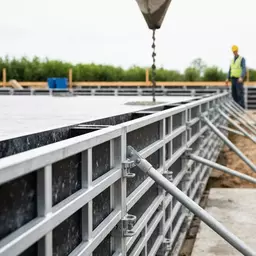
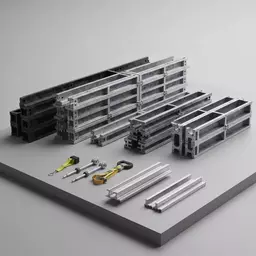
Aluminum formwork is a modern construction method that utilizes lightweight materials to create a framework for pouring concrete slabs. Its significance lies in its ability to streamline the construction process while also providing enhanced safety features. Using aluminum formwork allows for quicker assembly and disassembly, reducing labor costs and time on-site, as highlighted in this technology profile on monolithic plastic aluminum formwork.

  • Lightweight Design: This makes it easier to handle and reduces the risk of injuries.
  • High-Load Capacity: Aluminum systems are engineered to support substantial loads, ensuring structural integrity during the pouring process.
  • Quick Turnaround: Faster setup translates into shorter project timelines, allowing for more efficiency and profitability.

Understanding these benefits is crucial for contractors aiming to modernize their approach while prioritizing safety. Implementing aluminum formwork effectively can transform your project efficiency and safety standards.

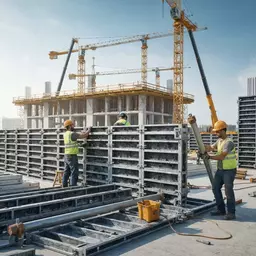
Construction workers assembling aluminum formwork on a building site, emphasizing safety and teamwork

Key Risks Associated with Aluminum Formwork Projects

While aluminum formwork offers numerous advantages, it is essential to be aware of the key risks involved. Some of these may include:

  • Improper Assembly: If not installed correctly, the system can lead to structural failures during concrete pouring.
  • Load Miscalculations: Overloading can cause buckling or collapse, posing serious safety hazards.
  • Environmental Factors: Weather conditions can affect the integrity of the formwork, particularly if it is not adequately secured.

As a contractor, being proactive about these risks can help you implement strategies that mitigate potential hazards. Safety training and regular inspections are vital to ensure that your team is equipped to handle these challenges. Further insights into formwork use and reuse, including potential risks, can be found in this detailed report from CPWR.

Analyzing Safety Standards for Aluminum Formwork

In the construction industry, adhering to safety standards is not just best practice; it’s a legal requirement. The various safety regulations that apply to formwork, including aluminum formwork, include guidelines from organizations like OSHA and local building codes. Understanding these standards will help you maintain compliance and ensure the safety of your workers. You can find comprehensive information on these regulations directly on the OSHA website.

  • Compliance with OSHA Regulations: Familiarize yourself with the specific regulations that pertain to formwork systems.
  • Regular Training Sessions: Conduct workshops to keep your team informed about new safety protocols.
  • Documentation: Keep detailed records of safety training and compliance checks to demonstrate adherence to regulations.

By integrating these safety standards into your work processes, you can create a safer work environment and enhance the credibility of your projects. Remember, safety and compliance are ongoing commitments, not one-time tasks!

Interactive Poll: Your Thoughts on Safety Practices

How important do you believe safety training is in the aluminum formwork industry? Share your opinion with us:

Frequently Asked Questions (FAQs)

What is aluminum formwork?
Aluminum formwork is a modern construction method that uses lightweight aluminum panels to create a mold for pouring concrete, offering benefits like quicker assembly and disassembly.
What are the main benefits of using aluminum formwork?
Key benefits include a lightweight design for easier handling, high-load capacity for structural integrity, and quick turnaround times leading to shorter project timelines.
What are the primary risks associated with aluminum formwork?
Primary risks include improper assembly, which can lead to structural failures; load miscalculations, which can cause collapse; and environmental factors, such as weather conditions affecting integrity.
What safety standards apply to aluminum formwork?
Adherence to safety standards from organizations like OSHA and local building codes is crucial. These regulations guide proper use, assembly, and maintenance to ensure worker safety.
Why is continuous safety training important for aluminum formwork projects?
Continuous training ensures workers understand proper assembly/disassembly techniques, load limits, hazard mitigation, and emergency procedures, helping to adapt to new regulations and minimize risks.
How can feedback improve safety practices in aluminum formwork?
Encouraging feedback through regular meetings or anonymous systems allows team members to share insights, leading to refinement of safety protocols, a stronger safety culture, and proactive hazard prevention.

Conclusion: Ensuring Long-Term Safety and Compliance in Aluminum Formwork

As we wrap up our discussion, it’s clear that ensuring safety and compliance in aluminum formwork is not just a one-time effort but a continuous commitment. At Concrete Slab Innovations, we believe that implementing a culture of safety is essential for both the well-being of your team and the success of your projects. The landscape of construction is ever-evolving, and staying updated with safety protocols is key to minimizing risks.

To reinforce this, regular safety training sessions can be a game changer. These sessions provide opportunities to refresh knowledge and adapt to new regulations. By prioritizing continuous safety training, we can help our contractors and their teams stay ahead in maintaining compliance and reducing hazards on the job site.

Reinforcing the Importance of Continuous Safety Training

Continuous training allows workers to understand the nuances of aluminum formwork safety. Here are a few critical topics that should be included in safety training programs:

  • Proper assembly and disassembly techniques for aluminum formwork
  • Understanding load limits and weight distribution
  • Identifying and mitigating potential hazards on-site
  • Emergency response procedures in case of incidents

Incorporating these topics into your training ensures that everyone on your team is equipped with the right knowledge and skills. At Concrete Slab Innovations, we emphasize the importance of adapting training to include the latest standards and innovations in the industry.

A team of construction workers attending a safety training session, focusing on best practices for aluminum formwork

Encouraging Feedback and Ongoing Improvement in Practices

Feedback from the field is invaluable. Encouraging a culture where team members feel comfortable sharing their insights on safety practices can lead to significant improvements. Here are some strategies to consider:

  • Conduct regular safety meetings to discuss concerns and suggestions
  • Implement an anonymous feedback system for workers to voice their opinions
  • Recognize and reward employees who contribute ideas for safety improvements

By embracing feedback, we can continually refine our safety protocols and foster a proactive approach to compliance. This not only enhances team morale but also strengthens the overall safety culture within your projects.

Call to Action for Contractors

Download Our Free Aluminum Formwork Compliance Checklist

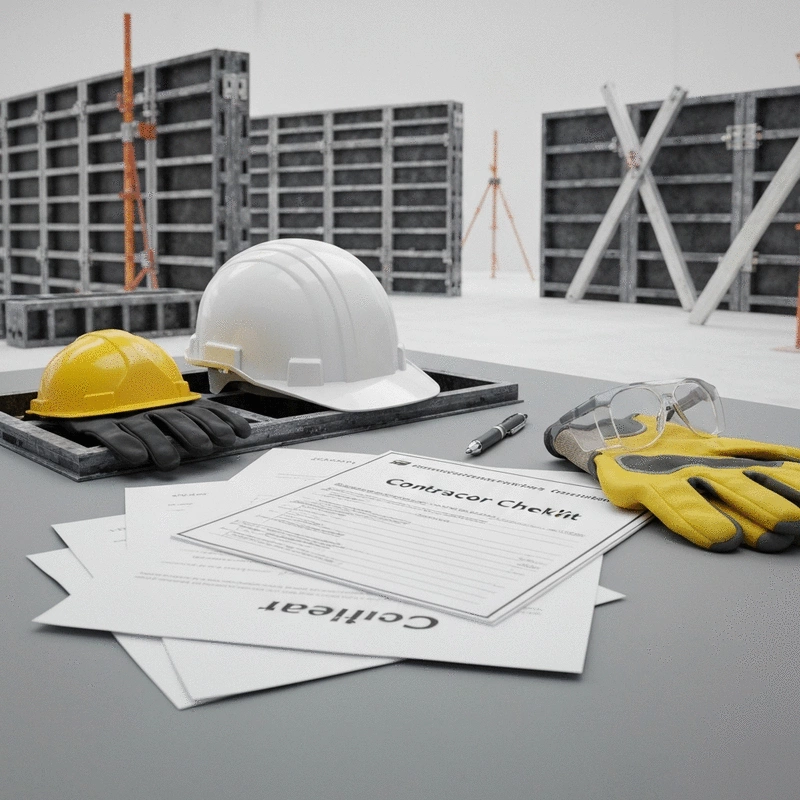
Are you ready to elevate your safety practices? Download our free Aluminum Formwork Compliance Checklist to ensure you’re covering all bases during your projects. This comprehensive tool will help you stay organized and compliant, simplifying your safety management efforts.

Explore Advanced Solutions for Safety Management in Construction

At Concrete Slab Innovations, we offer advanced solutions tailored to enhance your safety management processes. From innovative modular designs to effective training resources, we’re here to support your journey toward achieving consistent safety and compliance. Let’s work together to make safety a top priority in your aluminum formwork projects!

Recap of Key Points

Here is a quick recap of the important points discussed in the article:

  • Safety and Compliance: Prioritize safety and compliance in aluminum formwork to enhance project outcomes and minimize risks.
  • Aluminum Formwork Benefits: Lightweight design, high-load capacity, and quick turnaround times contribute to efficient construction processes.
  • Addressing Risks: Be proactive about risks such as improper assembly and load miscalculations to ensure worker safety.
  • Adhering to Standards: Familiarize with OSHA regulations and conduct regular training sessions to maintain compliance.
  • Continuous Training: Implement ongoing safety training to keep workers informed about the latest safety protocols and practices.
  • Feedback Culture: Encourage team feedback on safety practices to foster improvements and enhance safety culture.
About !author

Aidan Cromwell

Aidan Cromwell is a seasoned construction professional and industry expert with a passion for innovative building solutions. With extensive experience in concrete slab construction and a deep understanding of modular formwork systems, Aidan strives to educate and empower contractors, engineers, and project managers. His insights are grounded in practical knowledge and a commitment to advancing construction efficiency and safety.


Popular Posts

Aluminum Formwork for Better Structures Aluminum Formwork for Better Structures What if there was a way to enhance the efficiency of your high-rise construction projects while also
Enhancing Build Times with Aluminum Enhancing Build Times with Aluminum Are you aware that adopting modular aluminum slab supports can significantly enhance efficiency and
Tips for Smooth Aluminum Formwork Tips for Smooth Aluminum Formwork What if your construction projects could be completed faster, with better quality finishes, and at a
Aluminum Formwork for Concrete Projects Aluminum Formwork for Concrete Projects Have you considered how the right formwork can transform your concrete projects? Load-bearing alumin