Load Management Safety in Formwork
![Safety Considerations for Load Management in Aluminum Formwork Assembly]()
What if the foundation of your construction projects could be safer and more efficient? Understanding the intricacies of aluminum formwork assembly can transform your approach to building, ensuring safety while enhancing productivity.
What You Will Learn
- Aluminum formwork systems are lightweight yet durable, offering significant efficiency gains in construction processes.
- Effective load management is crucial to prevent structural failures during formwork assembly.
- Conducting thorough risk assessments can identify potential hazards and improve safety on job sites.
- Pre-installation safety protocols, like material inspections and worker safety measures, are essential for a secure assembly environment.
- Knowledge of regional building codes and standards is vital for compliance and safety in formwork assembly.
- Incorporating advanced technologies for monitoring load can enhance safety and compliance during the concrete pouring process.
- Fostering a safety culture within construction teams can significantly improve overall worker safety and project outcomes.
Critical Safety Protocols for Aluminum Formwork Assembly
Implementing thorough safety measures is paramount in aluminum formwork projects. Below are key areas to focus on for ensuring structural integrity and worker well-being.
Understanding Safety Considerations in Aluminum Formwork Assembly
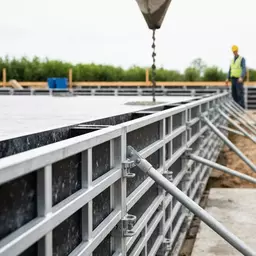
When it comes to aluminum formwork systems, understanding their applications is crucial for any construction professional. These systems are designed to support the structural integrity of concrete during the curing process. They are lightweight yet highly durable, making them ideal for both small and large-scale projects. If you’ve ever wondered how these systems can streamline construction, you’re not alone! Their modular design significantly reduces setup time compared to traditional methods.
In my experience with Concrete Slab Innovations, I’ve seen firsthand how aluminum formwork can enhance efficiency while ensuring safety. Whether you’re pouring slabs for residential buildings or larger commercial structures, recognizing the role of aluminum formwork is essential for a successful project.
Defining Aluminum Formwork and Its Applications
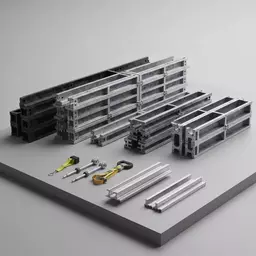
Aluminum formwork is a modular system that offers several advantages in construction. These systems can be easily assembled and disassembled, providing flexibility in various project types. Common applications include:
- Residential slab construction
- Multi-story buildings
- Infrastructure projects such as bridges and parking garages
By utilizing aluminum formwork, contractors can achieve precise dimensions while minimizing waste. This approach not only speeds up the construction process but also contributes to sustainable building practices.
The Importance of Load Management in Construction Safety
Load management is a critical aspect of ensuring safety during formwork assembly. Inadequate load control can lead to structural failures, which may have serious consequences. As we work with aluminum systems, it’s crucial to consider the following factors:
- Understanding the weight limits of aluminum forms
- Assessing the load distribution during concrete pouring
- Monitoring environmental conditions that may affect load capacity
Through effective load management, we can minimize risks and enhance safety on the job site. At Concrete Slab Innovations, we advocate for comprehensive training programs that emphasize these principles to protect everyone involved in the project.
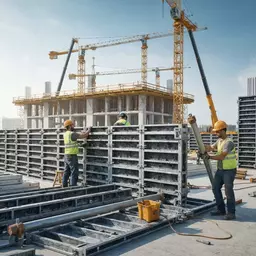
![Construction workers assembling aluminum formwork on a building site, wearing hard hats and safety vests, with a focus on teamwork and safety]()
Risk Assessment in Aluminum Formwork Projects
Conducting a thorough risk assessment is vital for any aluminum formwork project. This involves evaluating potential hazards and implementing strategies to mitigate them. Here are some key steps to consider:
- Identify potential risks associated with formwork assembly
- Evaluate environmental factors that could impact safety
- Engage workers in safety discussions to gather insights
By prioritizing risk assessments, we can create a safer working environment for all team members. It’s essential to foster a culture of safety awareness that will ultimately lead to more successful projects.
Essential Pre-Installation Safety Protocols
Before we dive into the assembly process, it’s imperative to establish robust pre-installation safety protocols. As a leader in the field, I have found that taking these precautions can set the tone for a safe construction environment.
Conducting Thorough Material Inspections
Assessing aluminum components prior to installation is a crucial step that should not be overlooked. Here are some important aspects to check:
- Inspect for any visible damage such as dents or corrosion
- Verify the quality and specifications of aluminum components
- Confirm that all necessary materials are present and in good condition
By conducting these inspections, we can ensure that our materials are up to standard, which directly impacts the safety and success of the project.
Establishing Worker Safety Measures
Worker safety measures, including personal protective equipment (PPE), are vital in protecting everyone during assembly. It’s essential to implement:
- Mandatory hard hats and safety goggles
- Proper lifting techniques to prevent injuries
- Regular safety briefings to keep everyone informed
At Concrete Slab Innovations, we make it a priority to create an environment where safety comes first. Empowering workers with the right tools and knowledge ensures they can perform their tasks confidently and safely.
Implementing a Site Safety Plan for Formwork Assembly
A well-crafted site safety plan is the backbone of any successful aluminum formwork project. To create an effective plan, consider these guidelines:
- Define roles and responsibilities for safety management
- Establish clear communication channels for reporting hazards
- Outline specific procedures for emergency situations
With a solid safety plan in place, we can significantly reduce the chances of accidents and create a culture of safety awareness on the job site.
Load-Bearing Capacity and Structural Integrity
Understanding the load-bearing capacity of aluminum forms is essential for maintaining structural integrity. In the construction world, this knowledge is a game changer!
Calculating Load-Bearing Capacity for Aluminum Forms
To ensure safety, you must perform accurate load calculations relevant to aluminum formwork. Key factors to consider include:
- Material properties of aluminum
- Design specifications of the formwork system
- Environmental influences such as temperature and moisture
By thoroughly calculating load-bearing capacity, we can prevent potential failures and enhance the overall safety of our projects.
Ensuring Connection Security and Proper Alignment
Verifying structural integrity during assembly is crucial. Focusing on connection points and fasteners ensures that the system remains secure. Best practices include:
- Checking that all connections are tight and secure
- Regularly inspecting alignment throughout the assembly process
- Using appropriate tools and techniques for adjustments
At Concrete Slab Innovations, we believe that attention to detail in these aspects can make all the difference in ensuring safety and durability.
Load Testing and Stability Analysis for Safety Assurance
Conducting load tests and stability analyses is critical for guaranteeing the structural integrity of aluminum formwork systems. This process should include:
- Regular testing of load-bearing capabilities under real conditions
- Monitoring for any signs of deformation during the test
- Documenting results to enhance future project planning
By prioritizing these evaluations, we can ensure that our aluminum formwork systems remain safe and reliable, setting a standard for quality in the industry.
Interactive Poll: Your Thoughts on Safety in Construction
As we continue to explore safety in aluminum formwork assembly, we want to hear from you! What do you believe is the most critical factor in ensuring safety on the job site?
Frequently Asked Questions (FAQs)
Here are some common questions about aluminum formwork assembly and safety:
- What are the primary benefits of using aluminum formwork systems?
- Aluminum formwork systems are lightweight yet durable, significantly enhancing efficiency and reducing setup time compared to traditional methods due to their modular design.
- Why is load management crucial in aluminum formwork projects?
- Effective load management is critical to prevent structural failures, which can have serious consequences. It involves understanding weight limits, assessing load distribution during concrete pouring, and monitoring environmental conditions that may affect capacity.
- What does a thorough risk assessment for aluminum formwork entail?
- A thorough risk assessment involves identifying potential hazards, evaluating environmental factors that could impact safety, and engaging workers in safety discussions to gather insights and foster a safer working environment.
- What are essential pre-installation safety protocols?
- Key pre-installation safety protocols include thorough material inspections (checking for damage, verifying quality), establishing worker safety measures (PPE, proper lifting), and implementing a comprehensive site safety plan.
- How do regional building codes and standards impact aluminum formwork assembly?
- Regional building codes and standards, such as the International Building Code (IBC) and Eurocode, dictate safe building practices and structural requirements. Adhering to these guidelines, along with OSHA regulations for concrete and masonry construction, ensures compliance, prevents costly mistakes, and safeguards both the project and personnel.
- What technologies can be used for load monitoring during concrete pouring?
- Advanced technologies for load monitoring include load sensors for real-time weight data, continuous monitoring systems that alert teams to risks, and mobile applications that provide instant access to load data, all of which enhance safety and compliance. For more details on material selection and structural integrity, refer to this resource on aluminum structures.
- How can a safety culture be fostered in construction projects?
- A safety culture can be fostered through regular safety training, encouraging open communication for reporting hazards without reprisal, and implementing recognition programs that reward safety-conscious behavior, thereby prioritizing well-being and minimizing risks.
Emphasizing Compliance and Industry Standards
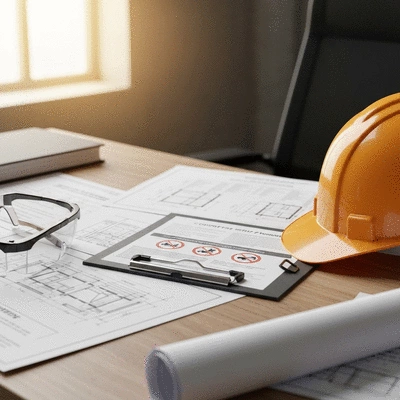
In the dynamic world of construction, compliance with industry standards is not just a regulatory requirement—it’s a crucial element of safety and efficiency. Understanding the specific regional building codes and standards, such as the International Building Code (IBC) and the Eurocode, is essential for anyone involved in aluminum formwork assembly. These guidelines dictate how to manage loads effectively and ensure structural integrity throughout the building process.
![Close-up of construction blueprints and safety regulations documents on a desk, with a hard hat and safety glasses, emphasizing compliance and planning]()
By staying informed about these codes, we can help prevent costly mistakes and ensure that our projects meet the necessary safety benchmarks. It’s not just about following rules; it’s about producing high-quality work that safeguards both the project and the people involved.
Understanding Regional Building Codes and Standards
Different regions have varying codes that dictate safe building practices. Here are a few key codes you should familiarize yourself with:
- International Building Code (IBC): Provides guidelines for building design and construction in the United States.
- Eurocode: A set of European standards for structural design, emphasizing safety and performance.
- Local Codes: Always check for local amendments or regulations that may impact your projects.
Being aware of these codes helps contractors, engineers, and project managers navigate the complexities of formwork assembly, ensuring that every structural detail adheres to the highest standards of safety and efficiency.
Evaluating Available Technologies for Monitoring Load
Technological advancements have significantly improved our ability to monitor loads during the concrete pouring process. Here are some effective technologies to consider:
- Load Sensors: These devices measure the weight applied to the formwork, providing real-time data to prevent overload.
- Real-Time Monitoring Systems: Systems that offer continuous monitoring of load conditions, alerting teams to any risks before they become critical.
- Mobile Applications: Many companies now offer apps that provide instant access to load data, making it easier to manage compliance on the go.
Incorporating these technologies into your workflow enhances safety and ensures compliance with industry standards, reducing the likelihood of accidents and structural failures. Imagine having peace of mind knowing that your project is continuously monitored for safety!
Creating a Safety Culture in Construction Projects
Fostering a safety culture within your construction projects can profoundly impact both compliance and worker safety. Here are some strategies to develop this culture:
- Regular Training: Conduct safety training sessions to keep everyone informed about the latest safety protocols and compliance requirements.
- Open Communication: Encourage team members to voice concerns and report unsafe conditions without fear of reprisal.
- Recognition Programs: Implement programs that reward safety-conscious behavior among workers, reinforcing the importance of safety.
By embedding safety deeply into the organizational ethos, we can create a work environment that prioritizes well-being and minimizes risks. Are you ready to take steps toward enhancing safety culture on your projects? Remember, a proactive approach to safety can lead to successful project outcomes and satisfied clients.
Recap of Key Points
Here is a quick recap of the important points discussed in the article:
- Aluminum formwork systems are lightweight and durable, ideal for various construction projects.
- Effective load management is essential to prevent structural failures during formwork assembly.
- Conducting thorough risk assessments can help mitigate potential hazards associated with formwork assembly.
- Establishing strong pre-installation safety protocols, including material inspections and worker safety measures, enhances project safety.
- Understanding load-bearing capacity and ensuring connection security are critical for maintaining structural integrity.
- Compliance with regional building codes and industry standards is vital for safety and efficiency in construction.
- Fostering a safety culture through regular training and open communication can significantly improve worker safety on-site.
Aidan Cromwell
Aidan Cromwell is a seasoned construction professional and industry expert with a passion for innovative building solutions. With extensive experience in concrete slab construction and a deep understanding of modular formwork systems, Aidan strives to educate and empower contractors, engineers, and project managers. His insights are grounded in practical knowledge and a commitment to advancing construction efficiency and safety.