Understanding Concrete Slabs Basics

concrete slab

As the backbone of modern construction, concrete slabs are often overlooked despite their critical role in ensuring structural integrity. Did you know that the choice of slab type can significantly impact the durability and efficiency of your project? Let’s explore the essential insights you can gain about concrete slabs.

What You Will Learn

  • Concrete slabs are designed to bear significant loads and can be applied in various construction scenarios, from residential foundations to high-rise buildings.
  • There are multiple types of concrete slabs, including ground slabs, suspended slabs, and composite slabs, each suitable for different project requirements.
  • Reinforced concrete slabs incorporate steel to enhance strength and durability, reducing the risk of cracking and extending the lifespan of the slab.
  • Understanding concrete mix components, including cement, water, aggregates, and additives, is crucial for achieving optimal slab performance.
  • The decision to hire professionals or undertake a DIY project depends on project scale, design complexity, and time constraints.
  • Proper insulation and moisture barriers are vital for enhancing the durability and energy efficiency of concrete slabs.

Key Concrete Slab Comparisons

This visual highlights critical comparisons and choices in concrete slab construction that impact project outcomes, durability, and cost-effectiveness.

Professional vs. DIY Projects

Professional:Large Scale, Complex Designs, Time Constraints
DIY:Smaller Areas, Confidence in Skills, Planning Essential

Choosing wisely ensures structural integrity and project success.

Concrete Slab Types & Applications

Ground Slabs:Residential Foundations
Suspended Slabs:Multi-story Buildings
Composite Slabs:Enhanced Structural Performance

Selecting the right slab is crucial for structural integrity.

Reinforced Concrete Benefits

Increased Tensile Strength:Withstands tensile forces
Reduced Cracking:Manages shrinkage, temperature
Improved Durability:Longer lifespan for structures

Steel reinforcement enhances strength and longevity.

Concrete Mix Components

Cement:Binding agent, strength
Water:Hydration, workability
Aggregates:Volume, stability (sand, gravel)
Additives:Enhance specific properties

The right mix is key to slab performance.

Understanding Concrete Slabs and Their Importance

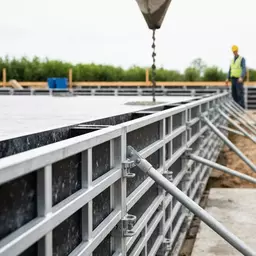
Concrete slabs are a foundational element in modern construction, playing a critical role in both residential and commercial buildings. Understanding what a concrete slab is, its types, and their significance in construction can help contractors and project managers make informed decisions that enhance project outcomes.

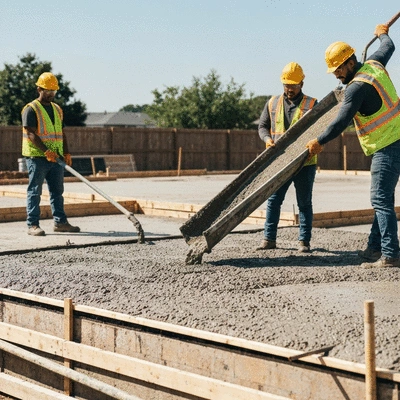
Construction workers pouring concrete for a foundation slab

At Concrete Slab Innovations, we believe that a solid grasp of concrete slabs can lead to better efficiency and safety on the job site. Let’s dive into the essential aspects of concrete slabs and why they matter!

What is a Concrete Slab?

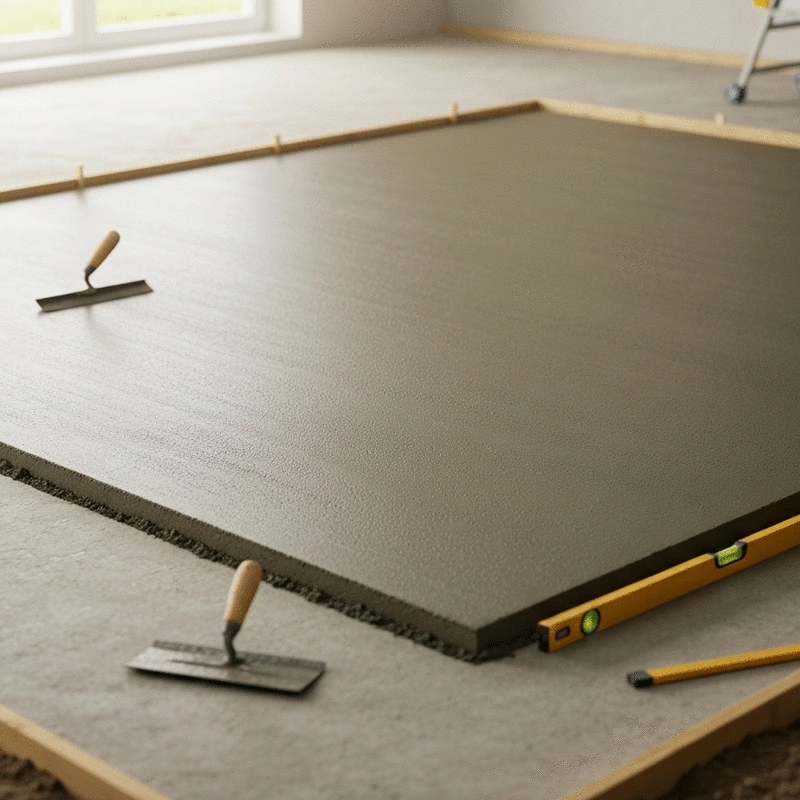
A concrete slab is a flat, horizontal surface made from cast concrete. These slabs can be used for various applications, including floors, roofs, and foundations. They are typically poured on-site and are designed to bear significant loads while providing durability and stability. For detailed guidance on slab design and construction, the USDA's Design Guide for Slabs-on-Ground offers comprehensive insights.

  • Load-bearing capacity: Concrete slabs are engineered to support the weight of structures above and distribute it evenly across the ground.
  • Versatile applications: Used in everything from garages to high-rise buildings, concrete slabs are a go-to solution for many construction projects.
  • Longevity: When properly installed and maintained, concrete slabs can last for decades, making them a cost-effective choice for builders.

These qualities make concrete slabs an integral part of safe and reliable construction practices. As a seasoned construction professional, I’ve seen firsthand how vital these elements are in ensuring project success!

Types of Concrete Slabs: Which One is Right for You?

There are several types of concrete slabs, each serving different purposes. Choosing the right one for your project is crucial for achieving the best results. Here are some common types:

  • Ground slabs: These slabs are poured directly on the ground and are often used for residential foundations.
  • Suspended slabs: These are elevated slabs, typically used in multi-story buildings, supported by beams or walls.
  • Composite slabs: Featuring a combination of precast and in-situ concrete, these slabs provide enhanced structural performance.

Understanding which type of slab best suits your needs can help optimize your construction projects. Whether you are building a new home or a commercial space, selecting the appropriate slab type is essential to ensure structural integrity and longevity. For further information on various concrete pavement types, consult the California Department of Transportation's Concrete Pavement Guide.

Reinforced Concrete: Enhancing Strength and Durability

Reinforced concrete slabs incorporate steel bars or mesh within the concrete mix, enhancing their strength and durability. This combination provides added support, making these slabs more resistant to cracking and structural failure. The ACPA's Integrated Materials and Construction Practices for Concrete Pavement manual provides an in-depth look at best practices for improving concrete pavement performance.

  • Increased tensile strength: The steel reinforcement allows concrete to better withstand tensile forces, which is crucial for load-bearing applications.
  • Reduced cracking: Reinforcement helps manage shrinkage and temperature fluctuations, significantly reducing the risk of cracks.
  • Improved durability: These slabs typically have a longer lifespan, making them a preferred option for critical structures.

By utilizing reinforced concrete, contractors can achieve a balance of strength and flexibility, meeting the demands of modern construction projects. It’s a practical solution that I often recommend for projects aiming for longevity and resilience.

Understanding Concrete Mix and Its Components

The quality of a concrete slab largely depends on the mix used during the pouring process. A standard concrete mix consists of four main components: cement, water, aggregates, and additives.

  • Cement: The binding agent that holds the mix together and gives the concrete its strength.
  • Water: Essential for hydration, water also affects the workability of the mix.
  • Aggregates: Comprising sand, gravel, or crushed stone, aggregates add volume and stability to the mix.
  • Additives: These are optional materials that can enhance specific properties of concrete, such as setting time or durability.

Understanding these components allows contractors and engineers to tailor concrete mixes to meet specific project requirements, ultimately leading to better performance and durability for concrete slabs. As I often say, the right mix is key to a successful slab!

Pro Tip

When selecting materials for your concrete slab, consider using high-quality aggregates that meet industry standards. This choice not only enhances the strength and durability of the slab but can also improve its resistance to environmental factors, leading to a longer lifespan and less maintenance over time.

Choosing the Right Solution for Your Concrete Slab Needs

Deciding how to approach your concrete slab project can feel overwhelming. Should you dive into a DIY project or call in the professionals? Both options have their merits, but the right choice often depends on your specific circumstances, skills, and the complexity of the job. Let’s explore some factors to help you make an informed decision.

When to Opt for Professional Help vs. DIY Projects

If you’re considering a concrete slab for your next construction project, understanding when to seek professional help versus taking a DIY approach is crucial. Here are some situations where hiring a professional is often the best route:

  • Large Scale Projects: For extensive areas, like commercial floors or large residential slabs, professionals ensure the job is done efficiently and correctly.
  • Complex Designs: If your design requires intricate pours or specific reinforcements, an expert's touch can prevent costly mistakes.
  • Time Constraints: If you’re on a tight schedule, professionals can expedite the process with their experience and resources.
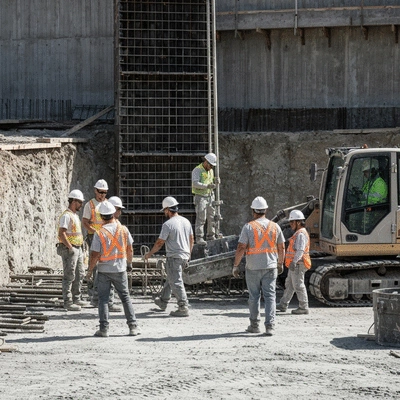
Professional concrete workers on a construction site

On the flip side, if you have a smaller area and feel confident in your skills, a DIY project could be a fulfilling endeavor! Just remember, proper planning and research are essential for success.

Understanding Concrete Slab Insulation and Moisture Barriers

Another important aspect to consider in your concrete slab project is insulation and moisture barriers. These elements can significantly affect the slab's longevity and performance. Here’s a breakdown of what you need to know:

  • Types of Insulation: Rigid foam insulation boards are commonly used to protect against heat loss and maintain energy efficiency.
  • Moisture Barriers: Installing a moisture barrier beneath your slab helps prevent water from seeping up, which can lead to structural issues over time.
  • Benefits of Proper Insulation: Proper insulation and moisture control can enhance comfort levels and improve the overall energy efficiency of your building.

At Concrete Slab Innovations, we emphasize the importance of these elements in our projects. A well-insulated slab not only performs better but can significantly reduce long-term costs associated with energy and repairs.

Frequently Asked Questions About Concrete Slabs

What is a concrete slab?
A concrete slab is a flat, horizontal surface made from cast concrete, used for applications like floors, roofs, and foundations, designed to bear significant loads and provide durability.
What are the main types of concrete slabs?
The main types include ground slabs (for residential foundations), suspended slabs (for multi-story buildings), and composite slabs (for enhanced structural performance).
Why is reinforced concrete important?
Reinforced concrete incorporates steel to increase tensile strength, reduce cracking from shrinkage and temperature fluctuations, and improve overall durability and lifespan of structures.
What are the key components of a concrete mix?
The four main components are cement (binding agent), water (for hydration and workability), aggregates (sand, gravel for volume and stability), and optional additives (to enhance specific properties).
When should I hire a professional for a concrete slab project?
Professional help is recommended for large-scale projects, complex designs requiring intricate pours or specific reinforcements, and projects with tight deadlines.
What role do insulation and moisture barriers play in concrete slabs?
Insulation (e.g., rigid foam boards) prevents heat loss and improves energy efficiency, while moisture barriers prevent water seepage, protecting against structural issues and enhancing the slab's longevity and performance.

Get Started with Your Concrete Slab Project Today

Now that you have a better understanding of choosing the right solution for your concrete slab needs, it’s time to take the next step! Whether you decide to go professional or DIY, ensuring you have all the necessary resources and knowledge is vital.

Contact Local Concrete Contractors for Estimates

Don’t hesitate to reach out to local concrete contractors for personalized estimates. They can provide valuable insights tailored to your specific project needs. Here’s how to get started:

  • Research: Look for contractors with good reviews and experience in concrete slab installations.
  • Get Multiple Quotes: Comparing estimates can help you find the best fit for your budget and requirements.
  • Ask Questions: Ensure you understand the details of their proposal, including materials, timelines, and warranties.

By collaborating with experienced professionals, you can feel confident in the quality and durability of your concrete slab.

Final Thoughts on Concrete Slabs and Their Value for Your Property

In conclusion, concrete slabs are a foundational element that can greatly influence the overall value and integrity of your property. Investing in a quality slab, whether through professional installation or by taking on a DIY project, pays off in the long run. Remember, proper planning and execution are key to achieving the best results!

Are you ready to elevate your construction projects with innovative concrete solutions? Let’s make your vision a reality! Reach out to us at Concrete Slab Innovations for more guidance on your concrete slab journey.

Recap of Key Points

Here is a quick recap of the important points discussed in the article:

  • Concrete slabs are essential in construction for providing durability and stability.
  • Types of concrete slabs include ground, suspended, and composite slabs, each suited for different applications.
  • Reinforced concrete enhances strength and reduces cracking, making it ideal for critical structures.
  • Understanding concrete mix components (cement, water, aggregates, and additives) is crucial for performance.
  • Professional help is recommended for large or complex projects, while DIY can be suitable for smaller tasks.
  • Insulation and moisture barriers are vital for the longevity and performance of concrete slabs.
About !author

Aidan Cromwell

Aidan Cromwell is a seasoned construction professional and industry expert with a passion for innovative building solutions. With extensive experience in concrete slab construction and a deep understanding of modular formwork systems, Aidan strives to educate and empower contractors, engineers, and project managers. His insights are grounded in practical knowledge and a commitment to advancing construction efficiency and safety.
Popular Posts

Customizing Aluminum Formwork for Slabs How to Customize Aluminum Formwork Panels for Complex Slab Geometries Customization is revolutionizing construction, especially when it comes to complex slab designs. Alu
Aluminum Formwork for Concrete Efficiency How Aluminum Formwork Improves Load Efficiency in Concrete Slabs What if you could complete your construction projects faster and with greater safety? Aluminum formw
Recycling Aluminum in Construction Projects 6. Sustainable Construction: Recycling and Reusing Aluminum Formwork Panels What if the materials you choose for construction could significantly reduce your carbon footprint?
Aluminum Formwork Maintenance Best Practices Maintenance Best Practices to Prolong Aluminum Formwork Lifespan on Job Sites Did you know that a proactive maintenance routine can lead to a 25% decrease in repair costs? Buildi