Construction Process Overview
- Material Selection & Preparation
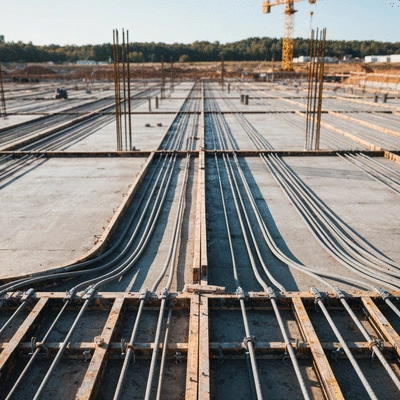
- Placement of Tendons & Ducts
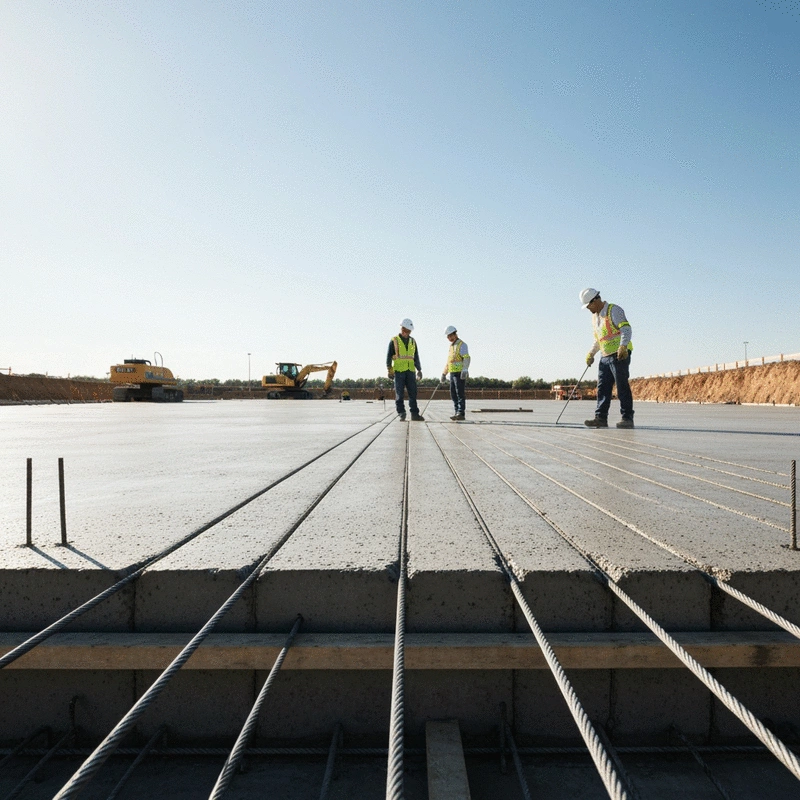
- Stress Application Process
- Grouting & Finishing
*Each step requires precision for optimal slab integrity.
What if a single construction technique could enhance your project's durability while saving both time and materials? Post-tensioning in concrete slab construction does just that. Understanding this method isn't just beneficial; it's essential for modern construction practices.
This visual outlines the key steps in constructing post-tensioned concrete slabs and highlights the advantages of this advanced method, crucial for modern construction.
*Each step requires precision for optimal slab integrity.
*Leading to more robust and efficient structures.
*These elements define the success of post-tensioning.
*Strategic planning is key for successful integration.
When it comes to concrete slab construction, understanding post-tensioning is essential. This innovative technique allows for stronger and more durable slabs, making it a game-changer in the construction industry. At Concrete Slab Innovations, we believe that grasping this concept can help contractors and engineers enhance their project outcomes.
A post-tensioned concrete slab is a type of reinforced concrete that uses high-strength steel tendons to create compressive forces within the concrete. This pre-compression counteracts tensile stresses that occur when the slab is put under load, preventing cracks and increasing structural integrity. Have you ever considered how this method could improve your projects? Let’s dive deeper!
In simple terms, a post-tensioned concrete slab is formed by placing tendons inside ducts within the concrete before it sets. Once the concrete reaches a specific strength, the tendons are tensioned and anchored at the ends. This process allows for thinner slabs and longer spans, ultimately saving materials and costs. Isn’t it fascinating how such a method can reshape the way we approach slab construction?
Post-tensioning has proven to be effective in various applications, making it a preferred choice for modern construction. For further insights into the design and construction of post-tensioned concrete elements, explore resources like the FHWA Post-Tensioning Tendon Installation and Grouting Manual. Embracing this method can lead to significant advantages in your projects, and I’m excited to share more about it!
The success of post-tensioning lies in its critical components. Understanding these elements is vital for effective implementation in your projects. At Concrete Slab Innovations, we emphasize the importance of a well-structured system. Here are the key components:
By incorporating these components effectively, you can maximize the benefits of post-tensioned slabs. For more detailed information on various post-tensioning systems and their applications, the Post-Tensioning Institute's Technical Notes offer valuable guidance. With my experience in the field, I can assure you that understanding these parts plays a crucial role in achieving success!
Now that we have a grasp on what post-tensioning entails, let’s explore the design and construction process. This understanding can empower contractors and engineers to execute their projects more efficiently and safely. Here are the essential steps to consider:
Each of these steps requires careful planning and execution to ensure the integrity of the structure. My expertise in the industry has shown me that when these elements are executed properly, the results are remarkable!
Constructing a post-tensioned slab involves several critical steps. Let’s break them down further:
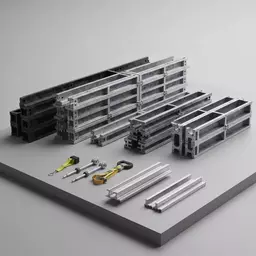
The first step in constructing post-tensioned slabs is selecting the right materials. This includes choosing high-strength concrete and durable tendons that will withstand the loads imposed on the slab. Proper preparation of the site and materials is crucial for a successful installation.
By taking the time to select and prepare materials correctly, you set the foundation for a successful project!
Once the materials are ready, the next step is to place the tendons and ducts accurately. The placement must follow the design specifications to ensure even load distribution. I’ve seen firsthand how critical this step is for the overall performance of the slab.
During this phase, it’s essential to:
Attention to detail during this step pays off in the long run by enhancing the slab’s performance.
After the concrete has cured, it’s time to apply stress to the tendons. This is done by using hydraulic jacks to tension the tendons against the concrete. It’s a fascinating process that transforms the whole structure!
This application of stress is what truly sets post-tensioned slabs apart from traditional methods. For a comprehensive understanding of specifications and construction requirements, refer to resources such as the Caltrans Bridge Design Practice Manual on Post-Tensioned Concrete Girders. It’s a meticulous process, and I encourage all professionals to embrace it!
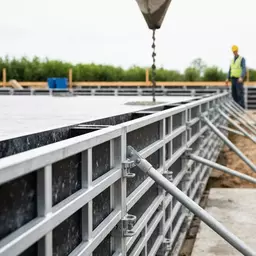
Effective tendon layout and reinforcement coordination are vital for the stability and performance of post-tensioned slabs. Achieving the right balance ensures that the slab can handle the intended loads without compromising safety or structural integrity.
Did you know? Proper tensioning of the tendons is crucial for the performance of post-tensioned slabs. Always monitor the tensioning process closely to ensure that the load is evenly distributed. This attention to detail can significantly enhance the durability and overall structural integrity of your slab!
Post-tensioning is a construction technique that uses high-strength steel tendons placed within concrete slabs. These tendons are tensioned after the concrete hardens, creating internal compressive forces that enhance the slab's strength, durability, and resistance to cracking.
Key benefits include enhanced durability and crack resistance, optimal material use leading to cost savings (due to thinner slabs), improved seismic resistance, and greater design flexibility (allowing for longer spans and open floor plans).
The critical components are: Tendons (high-strength steel cables), Ducts (hollow tubes for tendon placement), Anchors (devices to secure tendon ends), and Grout (material used to fill ducts and protect tendons from corrosion).
By introducing compressive forces, post-tensioning allows for the construction of thinner concrete slabs that can still support significant loads. This reduction in slab thickness directly translates to using less concrete and other materials, thus lowering overall material costs.
The essential steps include: material selection and preparation (choosing appropriate concrete and tendons), accurate placement of tendons and ducts according to design specifications, and the stress application process (tensioning tendons with hydraulic jacks after concrete cures).
As we've explored, post-tensioned concrete slabs offer a host of advantages that can significantly enhance construction efficiency. These systems are designed to manage structural loads more effectively, leading to reduced deflection and improved performance over time. Whether you're a contractor or a project manager, understanding the key benefits and construction practices of post-tensioning is essential for the success of your projects.
To recap, here are the critical benefits of post-tensioned slabs:
These attributes not only lead to a more robust structural system but also open doors for innovative design possibilities. With the right approach, implementing post-tensioning can truly transform your construction processes!
After understanding the benefits and practices, you might be wondering how to integrate post-tension solutions into your projects. The first step is to consult with professionals who have experience in this area. Having a knowledgeable team on your side can make all the difference in ensuring the successful application of these systems.
Consider reaching out to experts who specialize in post-tensioned concrete, as they can guide you through the design and implementation process seamlessly. It's critical to ensure that your team understands the specific requirements for post-tensioning to maximize its benefits.
For those eager to dive deeper into the world of post-tensioning, there are numerous resources available to bolster your knowledge. From detailed guides to hands-on workshops, you can find valuable materials tailored for industry professionals. Here are some resources you might find helpful:
By engaging with these resources, you'll be better equipped to handle your projects and implement cutting-edge solutions with confidence.
Finally, effective project management is crucial when integrating post-tension systems into your construction practices. Here are some key techniques to consider:
By applying these project management techniques, you can ensure that your post-tensioned concrete slab projects run smoothly and achieve optimal results. Let's make your next project a success together!
Here is a quick recap of the important points discussed in the article:
Aidan Cromwell is a seasoned construction professional and industry expert with a passion for innovative building solutions. With extensive experience in concrete slab construction and a deep understanding of modular formwork systems, Aidan strives to educate and empower contractors, engineers, and project managers. His insights are grounded in practical knowledge and a commitment to advancing construction efficiency and safety.