Why Accurate Load Calculation Matters
- Safety: Prevents structural failures and protects workers.
- Cost Efficiency: Avoids overspending on materials or costly failures.
- Regulatory Compliance: Meets building codes (e.g., IBC, ACI 318).
In the evolving landscape of construction, understanding the intricacies of load calculation for aluminum formwork is not just beneficial—it's essential. As projects grow in complexity, ensuring safety and efficiency becomes paramount. Here’s what you’ll take away from this guide.
Understanding these elements is paramount for ensuring safety, compliance, and efficiency in concrete slab construction projects.
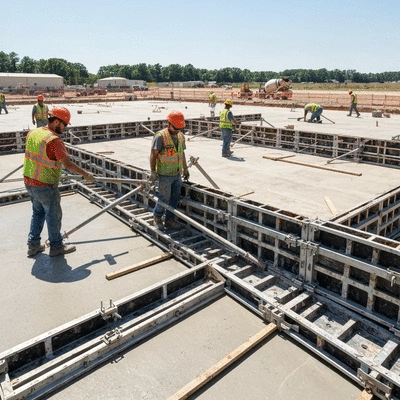
When embarking on a concrete slab construction project, understanding the load calculation for aluminum formwork is crucial. Aluminum formwork systems serve as versatile and efficient solutions in modern construction, allowing for high-load capacities while minimizing labor and material costs. But what exactly is aluminum formwork, and how does it impact the overall process of slab construction?
Aluminum formwork acts as a temporary structure that provides support during the pouring and curing of concrete. Its lightweight nature facilitates quick assembly and disassembly, enabling contractors and engineers to streamline their workflows. At Concrete Slab Innovations, we emphasize the importance of selecting the right formwork system to ensure both safety and structural integrity throughout the construction process.
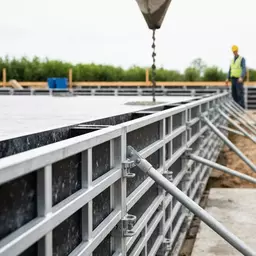
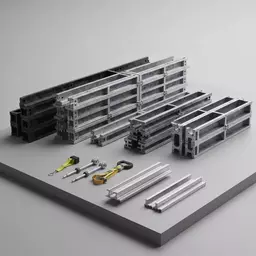
Aluminum formwork is a modular system designed to create the framework for pouring concrete slabs. This type of formwork offers several advantages, including:
The role of aluminum formwork in concrete slabs cannot be overstated. It not only aids in achieving precise shapes and dimensions but also contributes to the overall quality of the concrete once cured. This is why understanding its capabilities is vital for any construction professional.
Accurate load calculations are essential for ensuring that the formwork can handle the stresses it will encounter during the pouring process. Without precise calculations, you run the risk of structural failure, which could jeopardize the entire project. Here are some key reasons why accurate load calculations matter:
At Concrete Slab Innovations, we advocate for a meticulous approach to load calculations. It’s not just about numbers; it’s about ensuring the safety and success of your project!
Understanding the construction standards and building codes that govern aluminum formwork is critical for compliance and safety. Here are some of the most important ones to consider:
Familiarizing yourself with these standards will not only enhance your project’s credibility but also safeguard against potential legal repercussions. At Concrete Slab Innovations, we emphasize staying updated on changes to these codes to ensure our partners are always in compliance.
To enhance the accuracy of your load calculations, consider utilizing specialized software designed for structural engineering. These tools not only streamline the calculation process but also help identify potential issues before they become critical, ensuring that your aluminum formwork systems perform optimally throughout the construction project.
As we wrap up our discussion on load calculation for aluminum formwork, it's essential to highlight some of the most critical strategies that can enhance your concrete slab construction projects. Understanding load calculations not only ensures safety but also boosts project efficiency and cost-effectiveness. Here are the key takeaways:
By applying these strategies, you can ensure that your projects meet the highest standards of safety and efficiency. At Concrete Slab Innovations, we believe that every contractor and engineer should have access to the knowledge necessary for successful project outcomes.
Implementing best practices in load calculation not only ensures compliance with industry standards but also promotes a culture of safety on your construction sites. Here are some recommended practices:
By following these practices, you can minimize risks and enhance productivity. Remember, a solid foundation in load calculations can pave the way for more innovative construction techniques.
To delve deeper into the world of load calculations and aluminum formwork, I recommend exploring a range of resources that can provide you with valuable insights. Here are a few I find particularly helpful:
These resources can equip you with the knowledge and skills needed to excel in your projects, ensuring you stay ahead in a competitive industry.
Are you ready to take your load calculations to the next level? I encourage you to connect with industry experts and explore practical applications that can enhance your construction processes. At Concrete Slab Innovations, we’re here to support you with:
Let’s work together to transform your construction practices and achieve remarkable results! Engage with us today and see how we can help you implement effective load calculations to enhance your projects.
Here is a quick recap of the important points discussed in the article:
Aluminum formwork is a modular system used as a temporary structure to support concrete during pouring and curing. Accurate load calculation is crucial to ensure the formwork can withstand the stresses, preventing structural failure, ensuring worker safety, and maintaining cost efficiency.
The main factors include concrete pressure (dead load from wet concrete), dynamic loads (due to pouring, vibrating, and movement of workers/equipment), and environmental factors. Proper assessment of these factors helps prevent structural failures.
Important standards include the International Building Code (IBC), American Concrete Institute (ACI) 318 for structural concrete, and the National Building Code of Canada (NBCC) for projects in Canada. Adhering to these codes ensures compliance and safety.
Specialized software designed for structural engineering can streamline the load calculation process, enhance accuracy, and help identify potential issues before they become critical. This ensures optimal performance of aluminum formwork systems.
Best practices include regularly updating knowledge on building codes, investing in team training for the latest calculation techniques and software, and conducting peer reviews of load calculations to catch errors early. These steps minimize risks and enhance productivity.
Aidan Cromwell is a seasoned construction professional and industry expert with a passion for innovative building solutions. With extensive experience in concrete slab construction and a deep understanding of modular formwork systems, Aidan strives to educate and empower contractors, engineers, and project managers. His insights are grounded in practical knowledge and a commitment to advancing construction efficiency and safety.