Did you know that ribbed slab concrete can significantly reduce construction costs while enhancing structural efficiency? This innovative building solution is transforming how we design and construct spaces, making it a must-know for professionals in the field.
What You Will Learn
Ribbed slabs provide efficient material usage, leading to substantial cost savings on concrete.
Design flexibility allows ribbed slabs to meet diverse architectural needs and specifications.
Enhanced load-bearing capacity through effective load distribution improves overall structural integrity.
Understanding the T-beam analogy helps in grasping the mechanics behind ribbed slab performance.
Steel reinforcement within ribbed slabs enhances tensile strength and increases durability.
Ribbed slabs can lead to long-term cost-effectiveness due to reduced maintenance needs over time.
Accurate cost estimation strategies are essential for planning successful ribbed slab projects.
Ribbed Slab vs. Flat Slab Systems: Cost-Effectiveness Comparison
Analyzing key factors that influence the overall cost and long-term benefits of ribbed slab concrete over traditional flat slab systems.
Ribbed Slab Advantages
✓Material Efficiency: Less concrete required, reducing material expenses.
✗Higher Material Volume: Requires more concrete, increasing material costs.
✗More Formwork: Can involve more complex and labor-intensive formwork setup.
✗Heavier Structure: May necessitate heavier foundations, impacting excavation costs.
✗Potential for Higher Maintenance: May require more attention over time due to cracking or deflection.
Long-Term ROI for Ribbed Slabs
★Longevity: Designed for superior durability, extending structural lifespan.
★Energy Efficiency: Potential for enhanced thermal performance, reducing heating/cooling costs.
★Increased Usable Space: Can allow for greater ceiling heights, maximizing interior volume.
Cost Estimation Strategies
●Detailed Material Takeoff: Account for all concrete, steel, and formwork.
●Labor Estimates: Factor in specific system requirements and team training.
●Contingency Planning: Include a buffer for unexpected costs.
●Expert Consultation: Seek professional insights for reliable budgeting.
Understanding Ribbed Slab Concrete: Definition and Structure
Have you ever wondered about the design and structure of ribbed slab concrete? It's a fascinating topic that combines efficiency with structural integrity. Ribbed slabs are a type of concrete slab that features a series of ribs, creating a lighter alternative to traditional solid slabs. They’re designed to span larger distances while minimizing the amount of concrete used, which can lead to significant cost savings on projects! To delve deeper into slab design principles, you can explore resources like the UFC 3-320-02A Engineering and Design Manual, which provides comprehensive guidelines for structural engineering.
Ribbed slabs are not only effective for load distribution but also play a crucial role in reducing the overall weight of the construction. This adaptability makes them suitable for various applications, from residential to commercial buildings. Let’s dive deeper into understanding ribbed slabs and their structural mechanics.
What is Ribbed Slab Concrete?
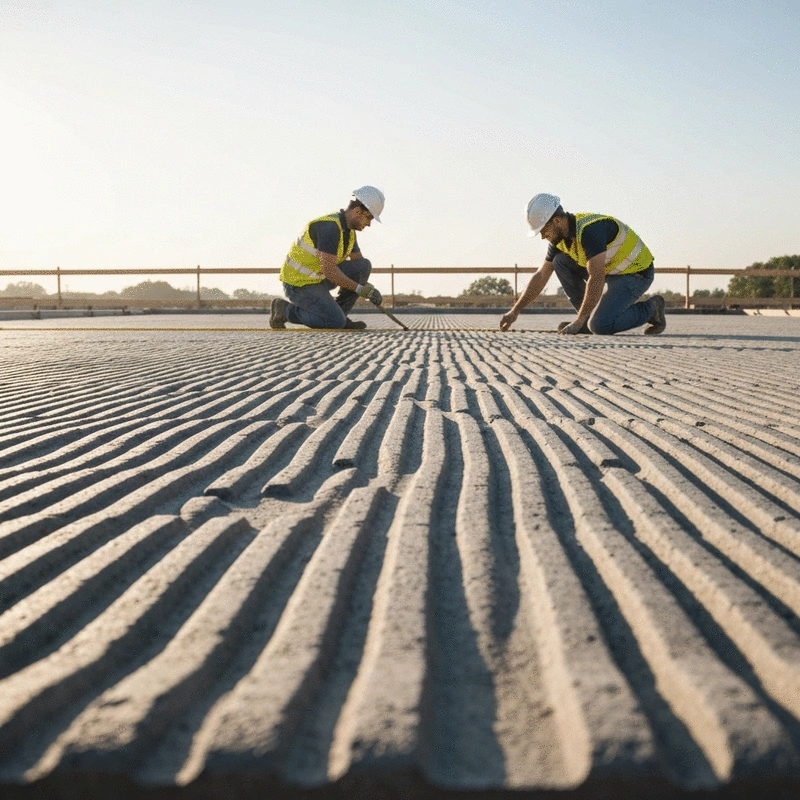
Ribbed slab concrete, often referred to as waffle slabs, consists of a series of longitudinal ribs that run in one or two directions. These ribs create voids in between, effectively reducing the amount of concrete needed without sacrificing strength. This design is especially beneficial in large open spaces where traditional slabs might be too heavy or impractical. For a detailed understanding of the properties of concrete, the Housing Authority's guide to concrete technology offers valuable insights.
Efficient Material Usage: The ribbed structure allows for a reduction in concrete volume, which can translate to cost savings.
Flexibility in Design: Ribbed slabs can be customized to fit various architectural requirements.
Enhanced Load-Bearing Capacity: The rib design helps distribute loads more effectively across the slab.
Through my experience at Concrete Slab Innovations, I've seen how this innovative solution can transform construction practices. By adopting ribbed slabs, contractors can achieve both economic and structural benefits.
Structural Mechanics: The T-Beam Analogy
The T-beam analogy is a crucial concept in understanding ribbed slab mechanics. Just like T-beams, ribbed slabs utilize the ribs to act as beams, providing additional strength while maintaining a lightweight profile. This structural efficiency is integral in minimizing deflection and cracking, ensuring long-lasting durability.
Load Distribution: The ribs effectively transfer loads to the supports, similar to how a T-beam functions.
Stiffness Enhancement: The ribbed design increases the stiffness of the slab, allowing for wider spans without the need for additional support.
Reduction of Material Costs: The design maximizes the use of concrete only where it’s needed, cutting down on excess material.
In my work, I often emphasize how understanding these mechanics can lead to better project outcomes. By leveraging the T-beam analogy, engineers and contractors can optimize their designs for performance and cost.
The Role of Steel Reinforcement in Ribbed Slabs
Steel reinforcement is a vital component of ribbed slabs, providing additional tensile strength where concrete alone may not suffice. The combination of concrete and steel yields a composite material that withstands various stresses encountered during construction and occupancy. To learn more about structural precast concrete elements, including reinforcement, refer to the Structural Precast Concrete Handbook.
Enhanced Tensile Strength: Steel rebar embedded within the ribs absorbs tension forces, improving overall stability.
Crack Control: Reinforcement helps to mitigate cracking, especially in regions of high stress.
Longevity: Properly reinforced ribbed slabs can offer greater durability, prolonging the lifespan of the structure.
Understanding the importance of steel reinforcement has been pivotal in my journey at Concrete Slab Innovations. It’s crucial for contractors and engineers to recognize how this element enhances ribbed slabs, ultimately leading to safer and more reliable structures.
Types of Ribbed Slabs: A Comprehensive Overview
Ribbed slabs come in various types, each with unique features and applications. Understanding these types can help you make informed choices for your projects.
Pro Tip
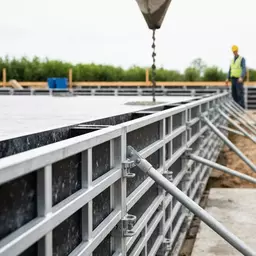
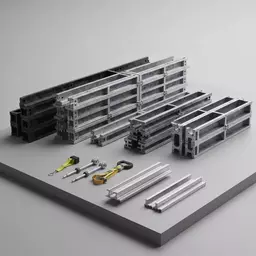
When considering ribbed slabs for your next project, remember to account for the advantages of aluminum formwork systems. Not only do they streamline the construction process, but they also reduce labor costs and enhance safety. By investing in these innovative solutions, you can maximize efficiency and ensure a more sustainable approach to your building projects!
Evaluating the Cost-Effectiveness of Ribbed Slab Systems
When it comes to evaluating the cost-effectiveness of ribbed slab systems, it's essential to consider both initial investments and long-term savings. Ribbed slabs can present a more economical solution compared to traditional flat slabs, especially over the lifespan of a building. By leveraging lightweight materials and innovative design, these systems allow for reduced material usage without sacrificing structural integrity.
One of the key factors in calculating the cost-effectiveness of ribbed slabs is their potential for labor savings. Aluminum formwork, such as those we advocate at Concrete Slab Innovations, can be particularly beneficial here. Not only does this method streamline the construction process, but it also minimizes the manpower needed on-site, which contributes to lower overall project costs.
Cost Comparison: Ribbed Slab vs. Flat Slab Systems
Let's break down the cost comparison between ribbed slabs and flat slab systems:
Material Costs: Ribbed slabs often require less concrete due to their structural design, leading to reduced material expenses.
Labor Efficiency: The speed of installation and reduced need for formwork setup can lead to significant labor savings.
Foundation Requirements: Ribbed slabs can allow for lighter foundations, which may lower excavation and material costs.
Long-Term Maintenance: With enhanced durability, ribbed slabs can lead to lower maintenance costs over time compared to flat slabs.
In summary, while initial costs may vary, ribbed slabs provide a compelling value proposition through their efficient use of materials and labor.
Long-Term Benefits and ROI Analysis
The long-term benefits of investing in ribbed slab systems extend beyond mere cost savings. A comprehensive ROI analysis can showcase how these systems pay off over time. Key factors to consider include:
Longevity: Ribbed slabs are designed for durability, which means they can withstand various stresses and last longer than traditional methods.
Energy Efficiency: The design can enhance thermal performance, potentially lowering energy costs for heating and cooling.
Increased Usable Floor Space: By utilizing ribbed designs, you can achieve greater ceiling heights, which may lead to more usable space in a building.
At Concrete Slab Innovations, we've seen projects where clients report significant savings and improved ROI after switching to ribbed slab systems. Could your next project benefit from similar long-term gains?
Cost Estimation Strategies for Ribbed Slab Projects
Accurate cost estimation is vital for any project involving ribbed slabs. Here are some effective strategies you can employ:
Detailed Material Takeoff: Ensure all materials are accounted for, including concrete, steel reinforcement, and formwork.
Labor Estimates: Analyze labor requirements based on the specific ribbed slab system you're using, factoring in any training your team may need.
Contingency Planning: Include a buffer in your budget for unexpected costs, as construction projects can be unpredictable.
Consulting Experts: When in doubt, reach out to professionals like those at Concrete Slab Innovations for insights based on real-world projects.
By following these strategies, you can create a more reliable budget that reflects the true costs associated with ribbed slab construction. Remember, thorough planning now can lead to significant savings later!
Recap of Key Points
Here is a quick recap of the important points discussed in the article:
Efficient Material Usage: Ribbed slabs minimize concrete volume, leading to cost savings.
Flexibility in Design: They can be customized to meet various architectural needs.
Enhanced Load-Bearing Capacity: The ribbed structure effectively distributes loads across the slab.
Stiffness Enhancement: Ribbed designs allow for wider spans without additional support.
Crack Control: Steel reinforcement helps mitigate cracking in high-stress areas.
Cost-Effectiveness: Ribbed slabs can reduce both material and labor costs over time.
Long-Term Benefits: They offer durability, energy efficiency, and increased usable floor space.
Frequently Asked Questions About Ribbed Slabs
What are the primary cost benefits of using ribbed slab concrete?
Ribbed slab concrete significantly reduces construction costs through efficient material usage (less concrete), labor savings from faster installation with specialized formwork, and lighter foundations that lower excavation and foundation expenses. It also offers enhanced durability, leading to lower long-term maintenance costs.
How does the T-beam analogy apply to ribbed slabs?
The T-beam analogy illustrates how the ribs in a ribbed slab act like beams, effectively distributing loads and enhancing the slab's stiffness. This design allows for wider spans without additional support and minimizes material usage by concentrating concrete where it's most structurally beneficial.
Why is steel reinforcement crucial in ribbed slabs?
Steel reinforcement is vital because it provides additional tensile strength, which concrete alone lacks. It helps absorb tension forces, improves overall stability, mitigates cracking in high-stress areas, and contributes to the long-term durability and lifespan of the structure.
What are the long-term benefits and ROI of ribbed slab systems?
Long-term benefits include superior durability and extended structural lifespan, enhanced thermal performance (leading to energy cost savings), and the potential for increased usable floor space due to greater ceiling heights. These factors contribute to a strong return on investment over the life of the building.
What strategies should be used for accurate cost estimation in ribbed slab projects?
Effective cost estimation strategies involve a detailed material takeoff (accounting for concrete, steel, and formwork), accurate labor estimates based on specific system requirements, contingency planning for unexpected costs, and seeking expert consultation for reliable budgeting.
Aidan Cromwell
Aidan Cromwell is a seasoned construction professional and industry expert with a passion for innovative building solutions. With extensive experience in concrete slab construction and a deep understanding of modular formwork systems, Aidan strives to educate and empower contractors, engineers, and project managers. His insights are grounded in practical knowledge and a commitment to advancing construction efficiency and safety.
Concrete Slab Innovations is dedicated to advancing concrete slab construction through innovative aluminum formwork systems. Our mission is to provide contractors, engineers, and project managers with cutting-edge methods for safe and precise slab support.
Optimize your concrete slab projects by integrating modular aluminum formwork. Its lightweight design significantly cuts down on labor and setup time!
Enhance project efficiency by understanding the high-load capacity of modern aluminum systems. This ensures structural integrity and faster pour cycles!
Reduce material costs and waste by choosing reusable aluminum formwork. A sustainable choice that also boosts your bottom line!
Prioritize job site safety with robust aluminum formwork. Its stable design minimizes risks during the critical concrete pouring phase.
Streamline your project timelines. Modular aluminum formwork allows for quicker assembly and dismantling, speeding up overall construction.
Achieve consistent slab quality through precise formwork alignment. High-quality systems ensure accurate dimensions and a superior finish.
Educate your team on the benefits of innovative formwork. A knowledgeable crew is crucial for maximizing efficiency and safety.
Explore case studies of successful projects utilizing advanced formwork. Learn from real-world applications to inform your next build.
Consider the long-term economic advantages of investing in quality formwork systems. Durability means less replacement and better ROI.
Implement rigorous quality control checks during formwork setup. Precision at this stage prevents costly rework later.
Stay updated on the latest advancements in concrete technology and formwork. Continuous learning keeps your projects cutting-edge.
Consult with formwork specialists to tailor solutions to your specific project needs. Custom approaches yield optimized results.
Document your formwork processes for consistency and training. Standardized procedures improve efficiency and reduce errors.
Regular maintenance of your formwork equipment extends its lifespan and ensures reliable performance on every job.
Ready to elevate your concrete slab projects? Dive into our resources to discover how innovative formwork can transform your construction practices!